How Hospital Workers Stay Warm During Cold Winter Shifts
Hospital workers across the health and social care sector have adopted a specific heating tip to stay warm during overnight shifts, offering a potential solution for households struggling with cold winter nights. As temperatures drop and the cost of living remains a pressing concern, finding efficient ways to maintain body heat without relying entirely on central heating has become a priority for many residents. According to Florence, a workforce management platform for health and social care organisations, several simple and cost free methods can help individuals stay warm during the coldest hours.
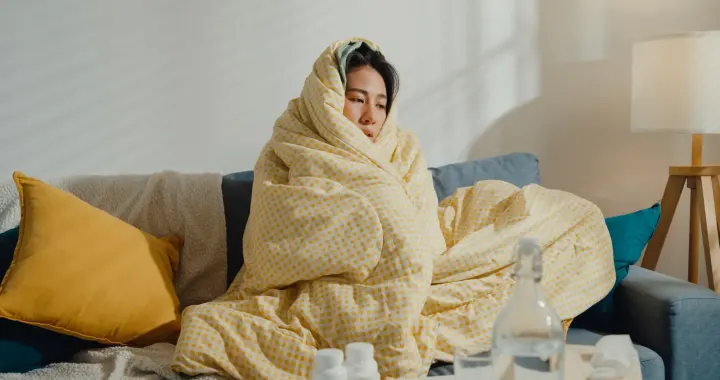
While many people turn to traditional methods such as wearing multiple layers of clothing, drinking hot beverages, and moving around as much as possible, experts point out that certain body parts are frequently overlooked. Specifically, medical and care professionals advise taking deliberate steps to stop your ears from getting cold. Because ears are very susceptible to drops in temperature and possess a thin layer of skin with a high concentration of blood vessels close to the surface, they are often the first parts of the human body to register a chill.
Why Protecting Your Ears Helps Regulate Body Temperature
Understanding how the human body reacts to cold environments helps explain why protecting specific extremities matters so much. When ambient temperatures fall, blood vessels in the outer extremities constrict to redirect warm blood toward vital internal organs in the core of the body. This protective physiological response causes parts like the fingers, toes, nose, and ears to cool down rapidly. By covering the ears with a thermal headband, individuals can prevent rapid heat loss from this sensitive area.
Thermal headbands are accessible and versatile items. They can be made easily at home using a small piece of fabric salvaged from an old fleece or purchased for a relatively low cost at multiple high street retailers and supermarkets. Wearing a headband while sleeping or resting in a cold room provides targeted warmth without the need to heat an entire bedroom, making it a practical tool for nighttime comfort during winter.
The Impact of Rising Energy Bills on UK Households
The search for alternative ways to stay warm comes at a critical time for households across the United Kingdom who are facing mounting financial pressures related to domestic energy consumption. Many residents actively seek methods to reduce their reliance on central heating systems because keeping radiators running for hours at a time leads to high utility expenses. These concerns are magnified by official announcements regarding regulatory changes to household energy tariffs.
The urgency of finding low cost warmth solutions increased following an announcement from energy regulator Ofgem on November 25. Ofgem confirmed that the energy price cap will rise to its highest level in four years in 2027, leaving millions of consumers bracing for higher utility expenses. This regulatory adjustment means that domestic energy consumers must prepare for a significant jump in their monthly outgoings precisely when winter weather drives up heating demands.
Understanding the Ofgem Energy Price Cap Changes
The energy price cap sets a maximum limit on the amount that suppliers can charge customers per unit of gas and electricity in England, Wales, and Scotland. While it does not limit the total bill because households that consume more energy will still pay more, it directly dictates the baseline costs for standard variable tariffs. The upcoming adjustment will alter the financial landscape for millions of residential energy users starting in the new year.
From January 1, approximately 20 million households will face increasing energy costs in the middle of winter, a period when domestic energy usage is historically at its highest point. A typical dual-fuel household can now expect to pay £2,166 a year starting in January, which represents a substantial jump from the current rate of £1,723. This change marks an increase of £443 annually for an average household, adding further strain to household budgets during the coldest months of the year.
Practical Steps for Managing Winter Energy Costs
Facing higher utility tariffs requires a combination of personal adjustments and home management strategies to keep living spaces comfortable without incurring unsustainable bills. Simple measures, such as draught proofing windows and doors, using heavy curtains to trap heat inside rooms, and wearing thermal base layers, complement the ear protection tip recommended by care sector experts. Combining these physical measures helps individuals manage indoor climates more effectively.
As households look toward the implementation of the new price cap in January, awareness of free and low cost warmth hacks continues to spread. By adopting habits used by shift workers who routinely navigate cold environments during overnight hours, residents can find practical ways to endure winter weather while keeping their household expenditures manageable.
Additional measures include sealing gaps around floorboards, wearing thick woolen socks, and using hot water bottles to keep the bed warm before sleep. These small interventions compound over time, reducing the psychological and financial burden of high utility bills. Healthcare professionals emphasize that staying warm is not just about comfort, but also about protecting overall health during prolonged cold snaps.
Public health guidelines consistently advise keeping living areas heated to specific thresholds, but soaring energy tariffs make adherence difficult for vulnerable populations. By incorporating targeted warmth strategies like covering the ears and extremities, residents can maintain thermal comfort while minimizing gas and electricity consumption. These proactive habits offer a valuable buffer against unexpected utility price increases.