Manchester City and Napoli Share Spoils in Thrilling Etihad Encounter
Manchester City rescued a 2-2 draw against Napoli at the Etihad on Tuesday night thanks to Rayan Cherki's strike. The dramatic late goal saved the home side from a damaging defeat, yet the result highlighted ongoing concerns for manager Enzo Maresca as his team struggles to find consistent form. The match delivered intense action from the opening whistle to the final moments, leaving supporters with plenty to analyze.
Enzo Maresca's were slow to get going and went a goal down after Hojlund broke the deadlock by rifling home. The early setback forced the hosts to chase the game against a well-organized visiting side that capitalized on defensive hesitations. The atmosphere inside the stadium shifted as the home supporters realized the scale of the challenge unfolding on the pitch.
Football matches at this level often turn on fine margins and early tactical battles. When visiting teams score first away from home, they frequently adopt a low defensive block to frustrate the hosts. Managing that frustration requires patience and precise passing from the midfield players.
How Ayyoub Bouaddi Equalized for Manchester City
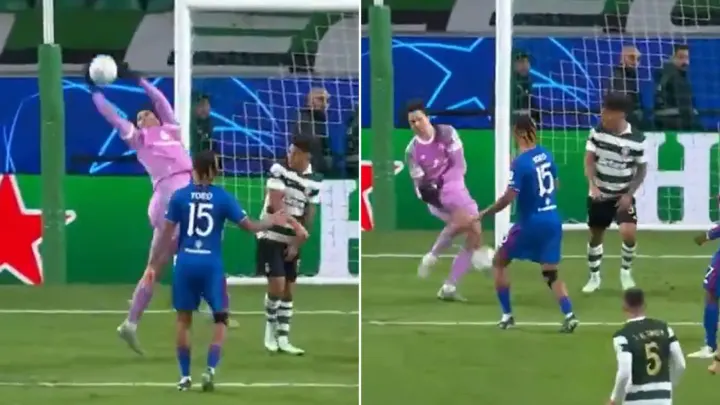
City briefly equalised when new signing Ayyoub Bouaddi netted his first goal for the club as he smashed into the roof of the net from Jeremy Doku's pull-back. This moment offered a glimpse of the potential that prompted the club to secure his signature. Doku used his pace on the flank to create the opening, delivering a precise pass that allowed Bouaddi to finish with confidence and restore parity.
Despite the equalizer, the home side failed to establish control over the rhythm of the match. Napoli reorganized quickly and continued to exploit spaces in the midfield. The tactical battle on the pitch intensified as both managers urged their players to press higher and claim the initiative before the interval.
New signings often take time to adapt to the physical demands of high-level European competition. When a young player makes an immediate impact by scoring, it changes the internal dynamics of the squad. Supporters look to these new acquisitions to provide fresh energy when the regular starters experience fatigue.
Noa Lang Restores Napoli Lead Before Late Drama
Napoli looked to have grabbed a shock winner after Noa Lang volleyed expertly into the corner. The strike stunned the home crowd and left the visiting bench celebrating what appeared to be a decisive advantage heading into the final stages of the contest. Lang demonstrated exceptional technique to connect with the cross and direct his effort beyond the reach of the goalkeeper.
As the clock ticked down, the pressure mounted on the home side to find a response. Possession fluctuated as tackles flew in across the pitch. The tactical setup shifted into a more urgent, direct approach as bodies poured forward in search of another breakthrough.
Conceding goals late in a match places immense mental strain on the defensive unit. Coaches spend hours drilling positioning to prevent such lapses in concentration. When opposition wingers find space for crosses, defenders must react instantly to clear the danger.
Rayan Cherki Spares Enzo Maresca From Defeat
But City spared Enzo Maresca's blushes after firing in the equaliser from a tight angle in the dying minutes. Rayan Cherki kept his composure when an opportunity seemed barely plausible, squeezing the ball past the defensive block and into the net. The late intervention altered the mood around the stadium, even though questions linger regarding the team's defensive frailties.
The draw leaves both squads to contemplate areas for improvement as the season progresses. While the attacking resilience proved vital in the end, the underlying defensive vulnerabilities require immediate attention from the coaching staff. Consistency remains the primary objective for a squad with high ambitions across all competitions.
Scoring from tight angles demands exceptional technical ability and composure under pressure. Strikers who can produce moments of individual brilliance often bail out their teammates when team tactics fail to break down a stubborn defense. Fans rely on these players to deliver when matches hang in the balance.
Broader Context and Tactical Challenges for Enzo Maresca
The recent run of performances has prompted discussions among analysts regarding tactical adaptation. Managing high-profile squads through demanding fixture lists requires careful rotation and physical management. Supporters and commentators alike monitor how the manager addresses the team's inability to kill off matches early.
Matches at the Etihad often demand patience against resolute opponents who defend deep and strike on the counterattack. Opposing teams have studied the tactical patterns of the squad, finding ways to disrupt the midfield build-up. Overcoming these tactical hurdles will determine the trajectory of the campaign in the months ahead.
Football management at the elite level involves balancing domestic league commitments with European fixtures. Squad depth becomes a critical factor when injuries accumulate over the winter months. Managers must trust their bench players to maintain high performance standards without dropping intensity.
What Comes Next for Both Clubs
Both teams return to domestic and international preparations following this encounter. Recovery sessions and tactical reviews occupy the immediate schedule for the players and coaching staff. Fixing defensive lapses remains the top priority on the training ground before the next fixture arrives.
Supporters will watch closely to see if the manager implements changes to the starting lineup. Securing a victory in the next outing is essential to rebuild momentum and restore confidence across the entire organization. The competitive nature of the tournament leaves little room for prolonged struggles.
Training ground sessions following a draw usually focus on defensive shape and conversion rates. Coaches analyze video footage to identify positional errors made during the ninety minutes. Players must absorb this feedback quickly before stepping onto the pitch for their next challenge.