Manchester United Object to Howard Webb Statement on Leny Yoro Red Card
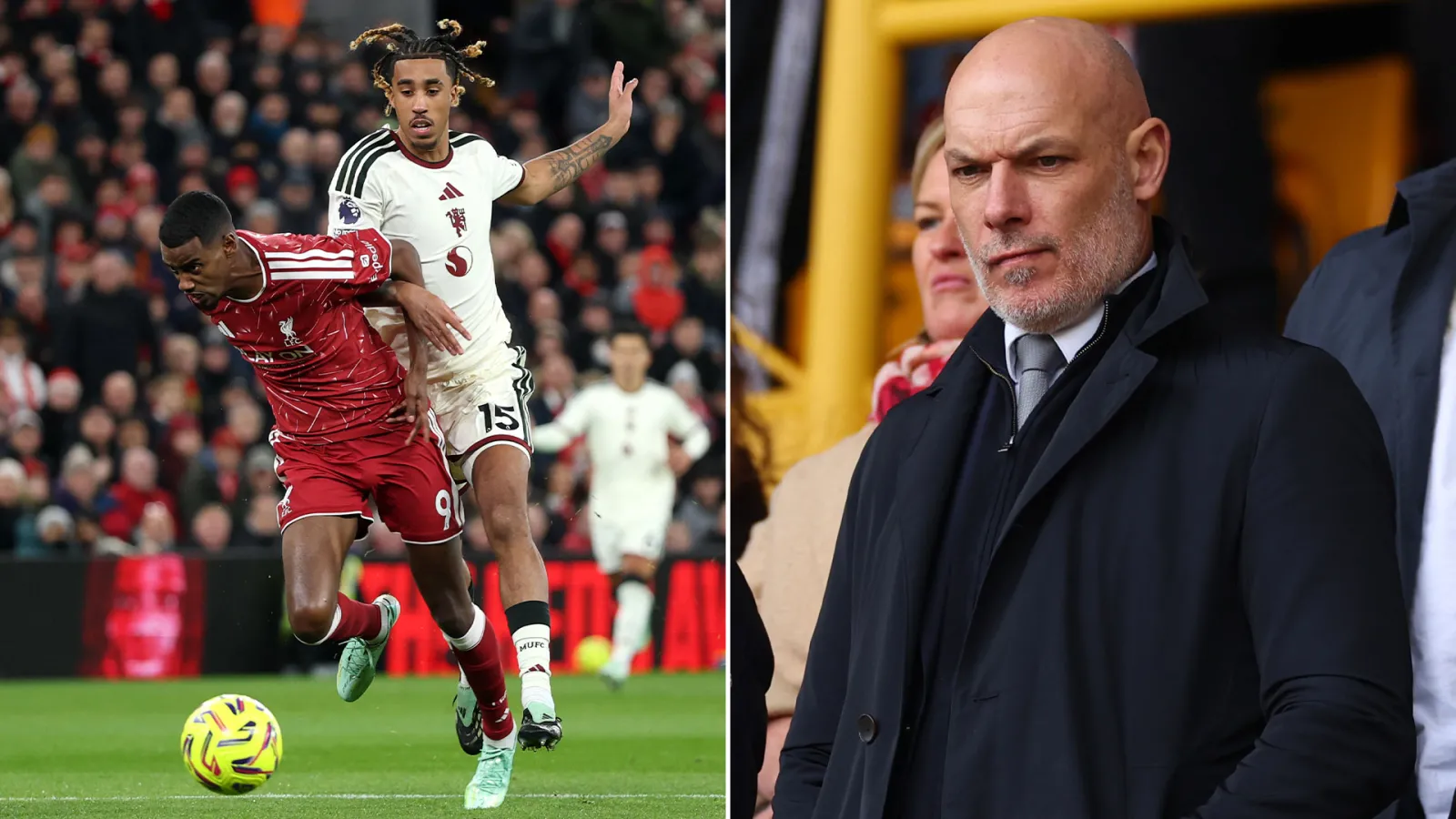
Manchester United have launched an astonishing attack on Professional Game Match Officials Limited chief Howard Webb after he claimed Leny Yoro red card should not have been overturned. The controversy stems from a high-profile fixture between Manchester United and Liverpool on Sunday, which ended in a 4-0 thrashing for the Old Trafford side. During the early stages of the match, referee Sam Barrott issued a straight red card to defender Leny Yoro for barging over Alexander Isak in the eighth minute. The score was goalless at the time, but the dismissal dramatically altered the tactical landscape of the match and triggered a severe reaction from the visiting club.
Following the conclusion of the weekend fixtures, Manchester United successfully appealed Yoro red card on Monday. The Football Association Independent Commission, which operates as a three-man panel, reviewed the incident and determined that Yoro had not deliberately denied an obvious goalscoring opportunity. Despite this successful appeal and subsequent overturning of the suspension, Professional Game Match Officials Limited chief Howard Webb publicly stated that the on-pitch referee Sam Barrott had made the correct decision. This public stance by the referee boss infuriated club officials, who now intend to raise his comments with the Premier League and Professional Game Match Officials Limited directly.
How the Match Disrupted After the Early Dismissal
The flashpoint occurred just eight minutes into the contest when Alexander Isak chased a ball through the central defensive area. Isak had nudged the ball ahead with a heavy touch before he was upended by the trailing challenge from Leny Yoro. At the moment of the foul, the score remained level at 0-0, leaving the outcome of the match entirely in the balance. However, the decision to award a red card immediately handicapped Manchester United for the remainder of the fixture.
Following the red card, Dominik Szoboszlai stepped up to take the resultant free-kick and lashed it directly into the back of the net to open the scoring. Deprived of a player on the pitch, Manchester United capitulated defensively as the game wore on. Liverpool capitalized on their numerical advantage by adding further goals through Florian Wirtz, Rio Ngumoha, and Victor Munoz to seal a comprehensive 4-0 victory. The rapid succession of goals highlighted the immediate sporting impact of playing with ten men against a high-caliber opponent.
Understanding the Rules Behind Denying a Goalscoring Opportunity
Football governance relies on precise definitions when referees evaluate serious fouls and disciplinary actions during high-stakes league matches. When a player receives a red card for denying a clear scoring chance, officials must assess multiple factors under strict guidelines. These parameters include the distance between the offense and the goal, the general direction of the play, the likelihood of keeping or gaining control of the ball, and the location of other defending players. Professional referees undergo extensive training to apply these standards uniformly, yet subjective elements often lead to fierce disagreements between clubs and match officials.
The Video Assistant Referee protocol adds another layer of complexity by limiting interventions strictly to clear and obvious errors rather than mere differences of opinion. When an on-field referee makes a judgment call in real time, the video official must decide whether the evidence is overwhelming enough to warrant a review. This threshold prevents endless delays but frequently generates frustration when clubs feel that obvious mistakes go uncorrected due to procedural limitations within the video review system.
Manchester United Claims of Process Error and Rule Misinterpretation
Behind the scenes, Manchester United sources fumed that the Professional Game Match Officials Limited interpretation of the incident was fundamentally wrong. The club claimed the handling of the situation represented a process error and a failure to interpret the rules correctly. Specifically, club representatives flagged that upon reviewing the Video Assistant Referee audio, there was no meaningful challenge or consideration given to the specifics of the foul after Yoro was dismissed by the official.
Howard Webb defended the initial on-pitch judgment by explaining that Barrott call was not clearly and obviously wrong, which is the standard threshold required for the Video Assistant Referee system to intervene and overturn an on-field decision. Consequently, the video official allowed the red card to stand during real time. Manchester United strongly disputed Webb assertion that it was merely a subjective decision, arguing that the objective parameters of the rulebook were mishandled by the officiating crew.
Club Belief They Can Prove Alexander Isak Would Not Reach the Ball
Central to Manchester United grievance is the physical reality of the play involving Alexander Isak and goalkeeper Senne Lammens. The club believes they could prove that Isak would not have reached the ball before Manchester United goalkeeper Senne Lammens even if the forward had hit his top speed. Because Isak took a heavy touch when knocking the ball forward, it remained entirely uncertain as to whether the striker could have secured control before Lammens swept across to gather it.
Under the laws of the game regarding denying an obvious goalscoring opportunity, officials must evaluate the likelihood of keeping control of the ball and the proximity of other defenders or the goalkeeper. By arguing that Lammens was heavily favored to reach the ball first, Manchester United contend that the red card threshold was never legally met. This technical disagreement forms the core of the club decision to escalate their complaints directly to league administrators and referee leadership.
The Wider Impact of Refereeing Disagreements on Elite Clubs
Disputes over officiating decisions carry significant financial and competitive consequences for clubs competing at the highest level of professional sport. In modern leagues where single points can determine qualification for continental competitions or survival in the top division, every refereeing decision undergoes microscopic examination. Clubs employ dedicated analysts to review match footage, ensuring that any perceived injustice is formally communicated to governing bodies to protect their competitive interests.
The ongoing friction between club executives and refereeing organizations demonstrates the constant pressure facing those who manage match officials in the modern era. Transparency initiatives and public explanations from referee chiefs are designed to foster understanding, but contradictory statements following independent commission rulings often exacerbate tensions instead of resolving them. Administrative leaders must carefully balance the need to support their match officials with the requirement to acknowledge factual corrections when independent panels overturn disciplinary outcomes.
The Broader Context of Refereeing Scrutiny in English Football
This public dispute highlights ongoing tensions between elite clubs and refereeing bodies regarding the application of technology and subjective interpretations. The introduction of the Video Assistant Referee system was intended to eliminate clear and obvious errors, yet debates surrounding subjective thresholds continue to generate controversy on a weekly basis. Clubs invest heavily in their squads and operations, leading to intense scrutiny when major disciplinary decisions directly influence match results in the top tier of English football.
As Manchester United prepare to take their grievances directly to the Premier League and Professional Game Match Officials Limited, the fallout from this weekend fixture is expected to continue. The club insistence on accountability highlights the growing pressure on officiating bodies to maintain transparency and consistency. Observers and supporters will watch closely to see how the governing bodies respond to such a direct and public challenge from one of the most prominent clubs in the sport.