Why No10 North Is Stretching Manchester Police to Breaking Point
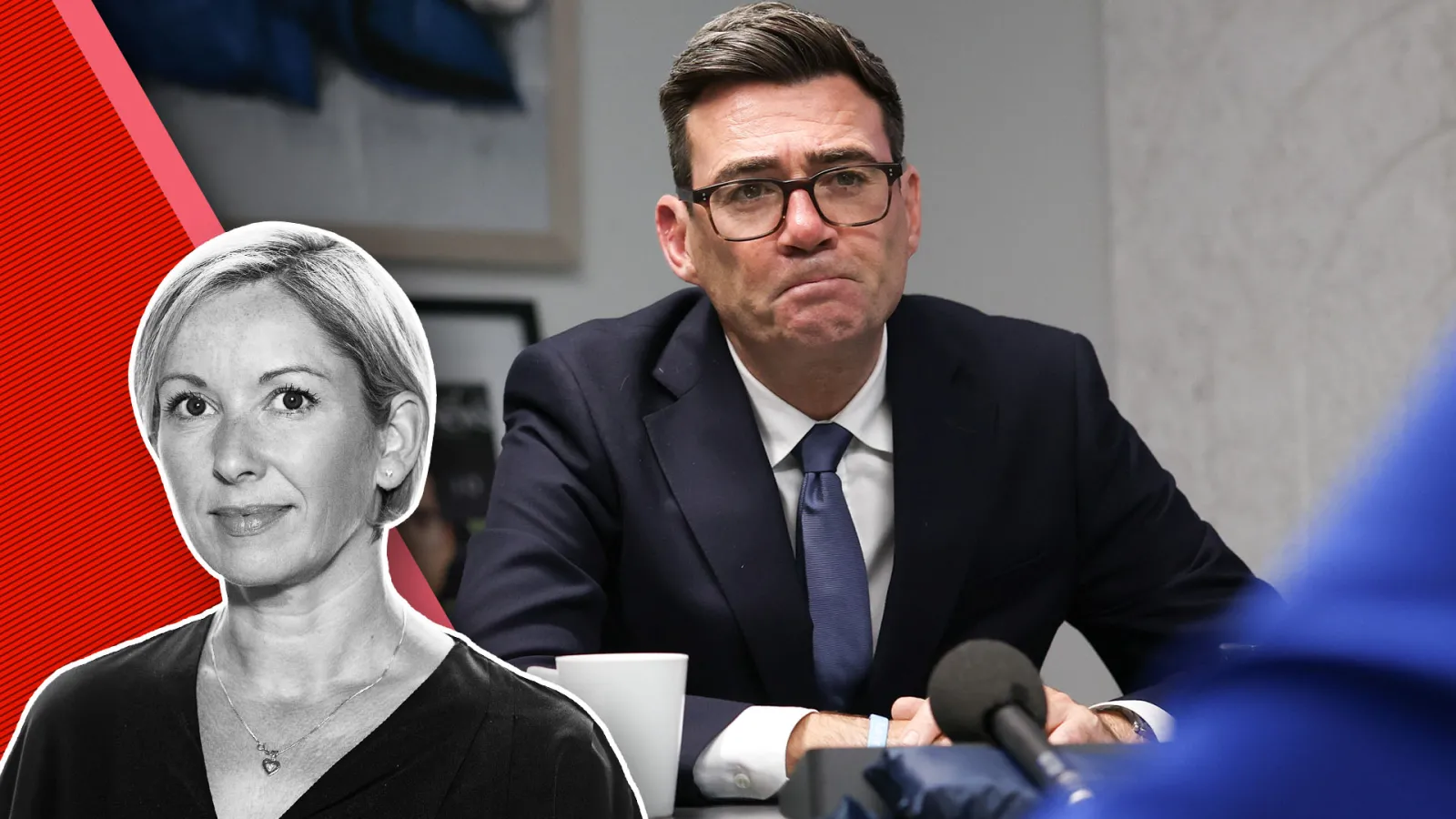
Prime Minister Andy Burnham has made it clear he will not apologise for encouraging influencers to treat Downing Street like a circus. As a resident of Manchester, his selfie-loving antics may be frustrating, but his first vanity project, the creation of No10 North, is what really worries local observers and law enforcement.
The chairman of the Greater Manchester Police Federation stated that local officers are at breaking point because of the extra demands of guarding the satellite office. Officers are routinely forced to cancel leave and rest days to provide security cover for the Prime Minister and his northern headquarters. This heavy reliance on protection is placing immense pressure on everyday policing across the region.
Law enforcement resources in the area are already stretched thin, and local criminals could take advantage of the reduced presence on ordinary streets. Critics argue that diverting so many resources to a single political office compromises public safety for residents who rely on emergency response teams.
The Cost of Mutual Aid and External Security
To cope with the massive security burden, Greater Manchester Police has relied on mutual aid help from forces around the country. Armed police have been summoned from as far afield as Scotland to make sure the force can manage the demands of the northern headquarters.
While these visiting officers provide crucial support, they are being put up in hotels, running up significant bills. These mounting accommodation and operational expenses are contributing to a predicted £10 million overspend in the local police budget, creating a severe financial headache for the force.
The location of the headquarters at Heron House adds further logistical complications. Situated just a short walk from busy Christmas markets with thousands of shoppers milling around, maintaining a high-security operation in such a congested public space presents continuous challenges for tactical planners.
Leadership Priorities and Public Concerns
Critics point out that establishing a northern base duplicates government functions unnecessarily while pulling officers away from community policing. Local residents are left wondering why emergency response times are affected while officers guard a political facility.
This situation also creates a difficult challenge for Manchester Chief Constable Sir Stephen Watson, who has driven a major turnaround of the force over the past five years. Observers worry that the sudden drain on personnel could undermine the hard-won progress made in local crime reduction and neighborhood policing standards.
Questions of visibility and accountability have also arisen following local incidents. When an emergency evacuation recently affected thousands of concert-goers at the city Co-op Live venue, a spokesman issued comments rather than the Prime Minister addressing the public directly, leading to complaints about a disconnect from local concerns.
Broader Economic and Generational Pressures
Beyond regional politics, wider social trends are capturing public attention, particularly regarding shifting demographics and economic realities. Recent studies highlight a significant generational shift as more young adults turn away from traditional family milestones.
With the cost of raising a child from pregnancy to age 18 reaching £260,000, starting a family has become an unaffordable luxury for many people. This financial barrier contributes to lower birth rates, which carry long-term implications for the workforce, the National Health Service, and future economic stability.
Politicians face mounting pressure to address these foundational economic challenges as public anxiety grows over the cost of living and the sustainability of public services. Without meaningful intervention, demographic imbalances threaten to strain the welfare system further in the coming decades.