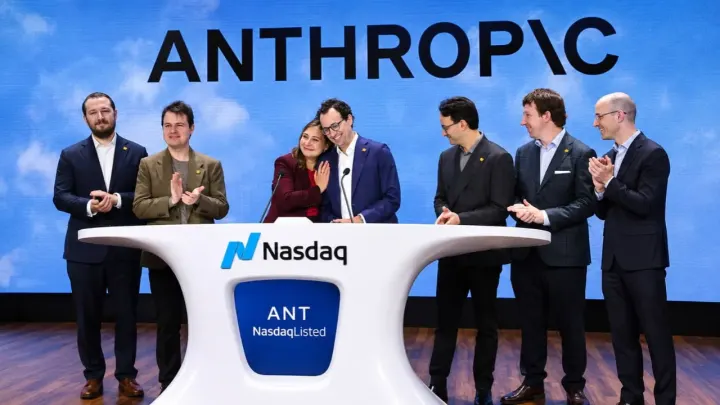
Anthropic CEO Dario Amodei Responds to Control Accusations
Anthropic CEO Dario Amodei pushes back against rivals accusations that he favors surrendering human agency to artificial intelligence, even as leading technology firms increasingly automate their own research and model development procedures. The debate centers on how artificial intelligence laboratories manage the creation of advanced systems and the degree of human oversight required during the engineering process.
As artificial intelligence organizations race to build more powerful models, the methods used to train and refine these systems have shifted significantly. Companies now use computational tools to assist in writing code, finding bugs, and organizing datasets. This internal automation has sparked intense discussions across the technology sector regarding safety, autonomy, and the future role of human engineers.
The Debate Over Automation in Artificial Intelligence Development
The practice of using advanced systems to build subsequent generations of technology has become a central point of contention among industry leaders. Critics argue that allowing automated programs to participate in their own design creates a feedback loop that diminishes human oversight. Proponents of the practice maintain that automated assistance is necessary to manage the immense complexity of modern neural networks.
Technology laboratories face mounting pressure to balance rapid capability gains with stringent safety protocols. Engineering teams must decide how much operational independence to grant to the tools they use for research and development. Different organizations have adopted contrasting philosophies, leading to public disagreements among chief executives and prominent researchers.
The integration of automated research tools changes the daily workflows of software developers and data scientists. While these systems speed up the pace of discovery, they also require new verification methods to ensure the underlying code remains secure and predictable. Experts continue to debate the point at which automated assistance crosses the line into autonomous self-modification.
Understanding Anthropic and Its Approach to Safety
Anthropic operates as an artificial intelligence safety and research company focused on building reliable and interpretable systems. Founded by former researchers, the organization emphasizes constitutional frameworks to guide model behavior and reduce potential harms. Their primary products include advanced language models designed to assist users while adhering to strict ethical guidelines.
The company positions safety research as a core pillar of its operational structure. By studying how models learn and how they can be constrained, the organization works to prevent unintended outcomes as systems scale in capability. This focus on alignment has shaped the public perception of the company within the broader technology industry.
Constitutional methods involve providing models with a specific set of rules and principles to evaluate their own outputs. This technique allows systems to correct themselves without constant human intervention during routine tasks. Critics and supporters often disagree on how effectively these automated guardrails hold up under rigorous stress testing.
Industry Practices in Model Training and Research
Modern artificial intelligence development requires processing vast amounts of data using specialized hardware infrastructure. Companies employ automated scripts and helper models to streamline data curation, hyperparameter tuning, and performance evaluation. These internal tools reduce the manual workload for human researchers but also raise questions about transparency and control.
Competitors in the sector often adopt varied timelines and deployment strategies. Some firms prioritize rapid commercialization and widespread integration, while others advocate for measured scaling tied to empirical safety evaluations. These differing priorities frequently manifest as public debates over technical methodologies and governance standards.
Building state of the art models demands massive computing clusters and complex supply chains for specialized semiconductor chips. The sheer scale of these operations makes some level of internal automation a practical necessity for managing workflows. Engineers rely on software agents to monitor cluster health and optimize training runs across thousands of processors.
What the Controversy Means for the Future of Technology
The friction between competing artificial intelligence laboratories highlights the lack of universal standards for system development. Policymakers, researchers, and civil society organizations continue to monitor how these companies manage internal automation and safety risks. The outcome of these debates will likely influence regulatory frameworks and industry norms for years to come.
Observers within the technology sector watch closely for shifts in corporate policies and research practices. As models become more capable, the mechanisms used to ensure alignment and oversight will remain under scrutiny. Maintaining public trust depends on clear communication and verifiable safety measures from all major developers.
Regulatory bodies around the world are currently drafting rules to govern the deployment of advanced computational systems. These legislative efforts focus on transparency, accountability, and risk management for high impact models. Industry executives must navigate these emerging legal requirements while competing in a fast moving global market.