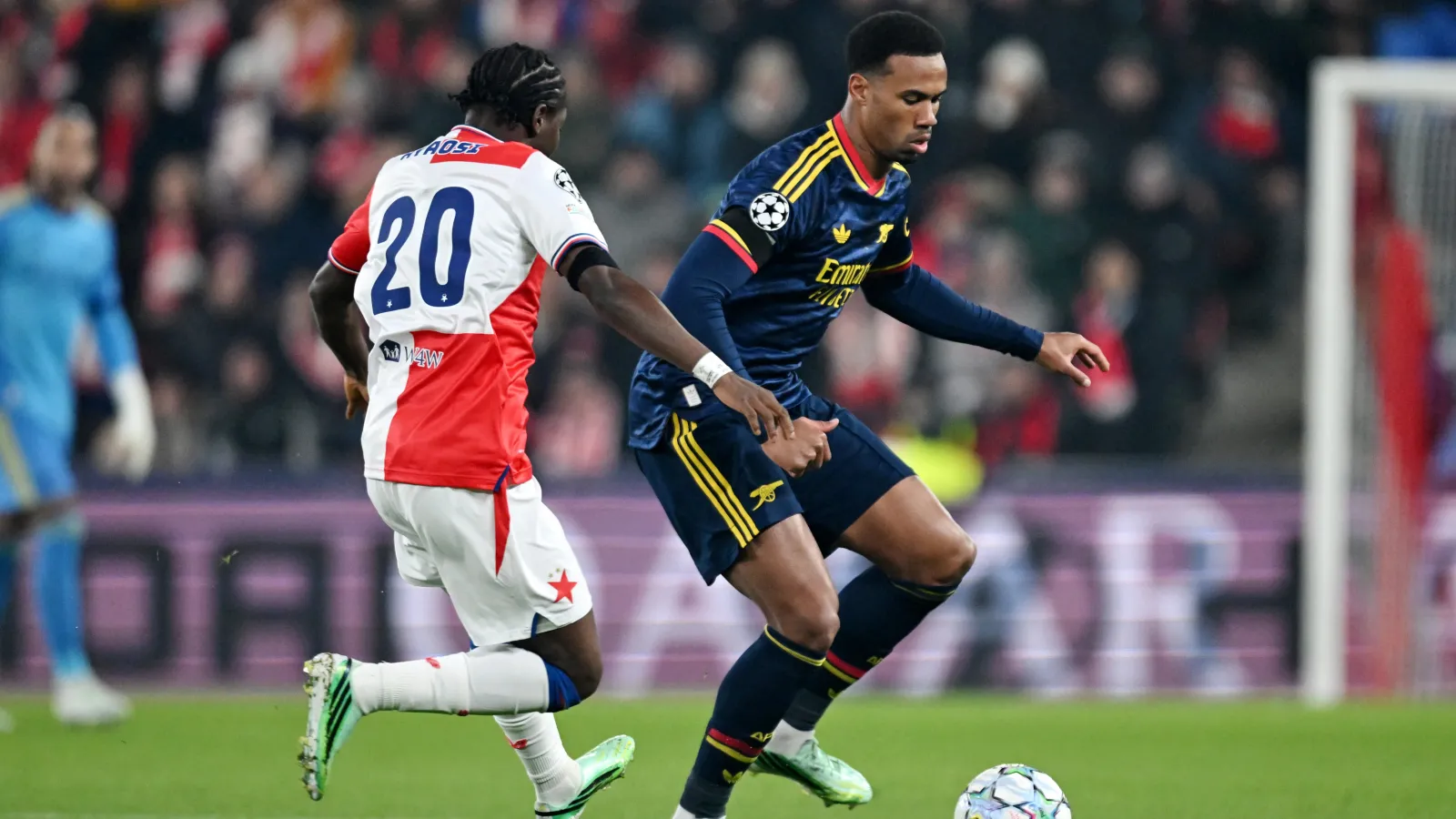
Arsenal travelled to Slavia Prague for a Champions League match on the evening of November 3, 2026, and both teams entered the pitch wearing black armbands as a sign of respect for the late Tenerife striker Jesus de Miguel.
The gesture follows the tragic death of the 30-year-old forward, who suffered a severe head and chest injury in a match against FC Andorra on Monday and later died of cardiac arrest.
What Happened to Jesus de Miguel?
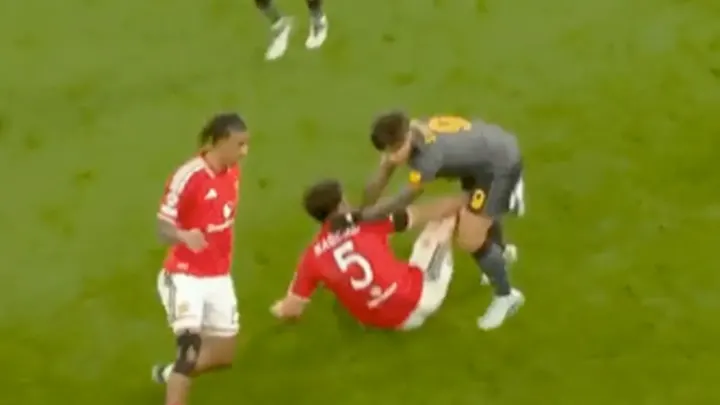
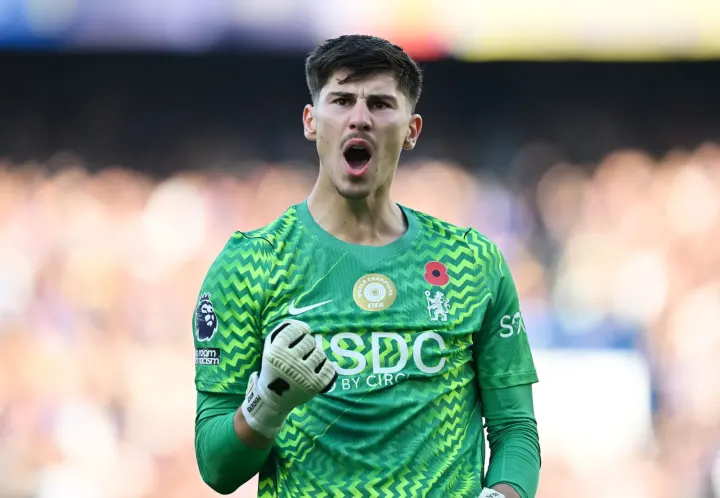
During the Monday fixture, De Miguel collided heavily with FC Andorra goalkeeper Jesus Owono. The challenge was deemed violent enough for a straight red card, and Owono was sent off immediately.
According to match reports, a long ball was played forward in the closing stages of the game. De Miguel was caught by the on-rushing Owono just past the halfway line. He fell to the turf and lay motionless while teammates and officials gathered around.
Medical staff attended to him on the field for more than five minutes before an ambulance transferred him to a nearby hospital. Spanish sports daily Marca later reported that De Miguel suffered a cardiac arrest en route and was resuscitated by paramedics.
CD Tenerife announced that he was admitted to intensive care in a condition described as "stable but serious" on Monday night. The club's statement on X later confirmed that his condition worsened and he was pronounced dead in the early hours of Tuesday, November 3, 2026, at 8:00 a.m.
Why Did Arsenal and Slavia Prague Wear Black Armbands?
Both clubs chose to wear black armbands as a traditional sign of mourning. The practice is common in football when a player, official, or member of the broader football community passes away.
Arsenal posted a message on X expressing devastation and offering condolences to De Miguel's family and CD Tenerife. The club also observed a moment of silence during Tuesday's training session, with players and staff standing arm-in-arm.
Slavia Prague, as the host for the Champions League tie, followed suit, ensuring that the tribute was visible to the thousands of fans watching the match live and the millions viewing the broadcast.
How Do Football Governing Bodies Respond to Tragedies?
UEFA, the governing body for European club competitions, announced that a moment of silence will be observed before all its matches that week. This aligns with UEFA's protocol for honoring individuals who have died while actively involved in the sport.
When a player dies as a result of an on-field incident, UEFA may also open a formal investigation into the circumstances of the injury. The investigation examines whether the referee's decisions, the medical response, and the safety standards of the stadium complied with existing regulations.
In similar past cases, such as the death of Italian midfielder Davide Astori in 2018, UEFA has worked with national federations to review emergency medical procedures and to recommend improvements where gaps are identified.
Background on Jesus de Miguel and CD Tenerife
Jesus de Miguel, full name Jesus de Miguel Alameda, began his professional career with CD Tenerife, a club based in the Canary Islands that competes in Spain's Segunda División. He broke into the first team in 2020 and quickly became known for his physical presence and aerial ability.
Over six seasons, De Miguel made more than 150 appearances for Tenerife, scoring 38 goals. He earned a reputation as a reliable centre-forward, often deployed as a target man to hold up play and bring teammates into attack.
His performances attracted interest from clubs in higher leagues, but he remained loyal to Tenerife, citing his desire to help the club achieve promotion to La Liga.
Impact on the Football Community
The death of a professional player sends shockwaves through the sport. Clubs across Europe and beyond posted messages of sympathy, highlighting the close-knit nature of the football family.
Fans of Tenerife, Arsenal, Slavia Prague, and FC Andorra expressed grief on social media, sharing tributes, photos, and personal memories of De Miguel's career.
Beyond the emotional response, the incident raises questions about player safety, especially regarding collisions involving goalkeepers. Medical teams and league officials may review protocols for head-injury assessment and emergency response.
What Comes Next for the Champions League Tie?
The match between Arsenal and Slavia Prague will proceed as scheduled, with the black armbands serving as a visual reminder of the tragedy. The game's result will be recorded in the competition's official records, but the atmosphere is likely to be subdued.
UEFA's moment of silence will take place before the kickoff, and both clubs have indicated that they will observe a brief pause during the match to honour De Miguel.
There is no indication that the fixture will be postponed or that any disciplinary action will be taken against FC Andorra's goalkeeper beyond the red card already issued. The focus remains on supporting the family and the wider football community.
Practical Takeaways for Fans and Players
Fans attending the match or watching at home are encouraged to respect the moments of silence and the symbolic armbands. Clubs have asked supporters to refrain from chanting or celebrating during the tributes.
Players and coaching staff are reminded of the importance of immediate medical assessment after any head or chest injury. UEFA and national federations continue to promote the use of concussion protocols, including the "return-to-play" guidelines endorsed by FIFA.
For families of professional athletes, the incident underscores the need for robust support networks, both emotional and medical, during periods of crisis.
Overall, the football world will watch the Arsenal-Slavia Prague match with a shared sense of mourning, while also reflecting on safety measures that can help prevent similar tragedies in the future.