Arsenal and Borussia Dortmund Share Spoils in European Clash
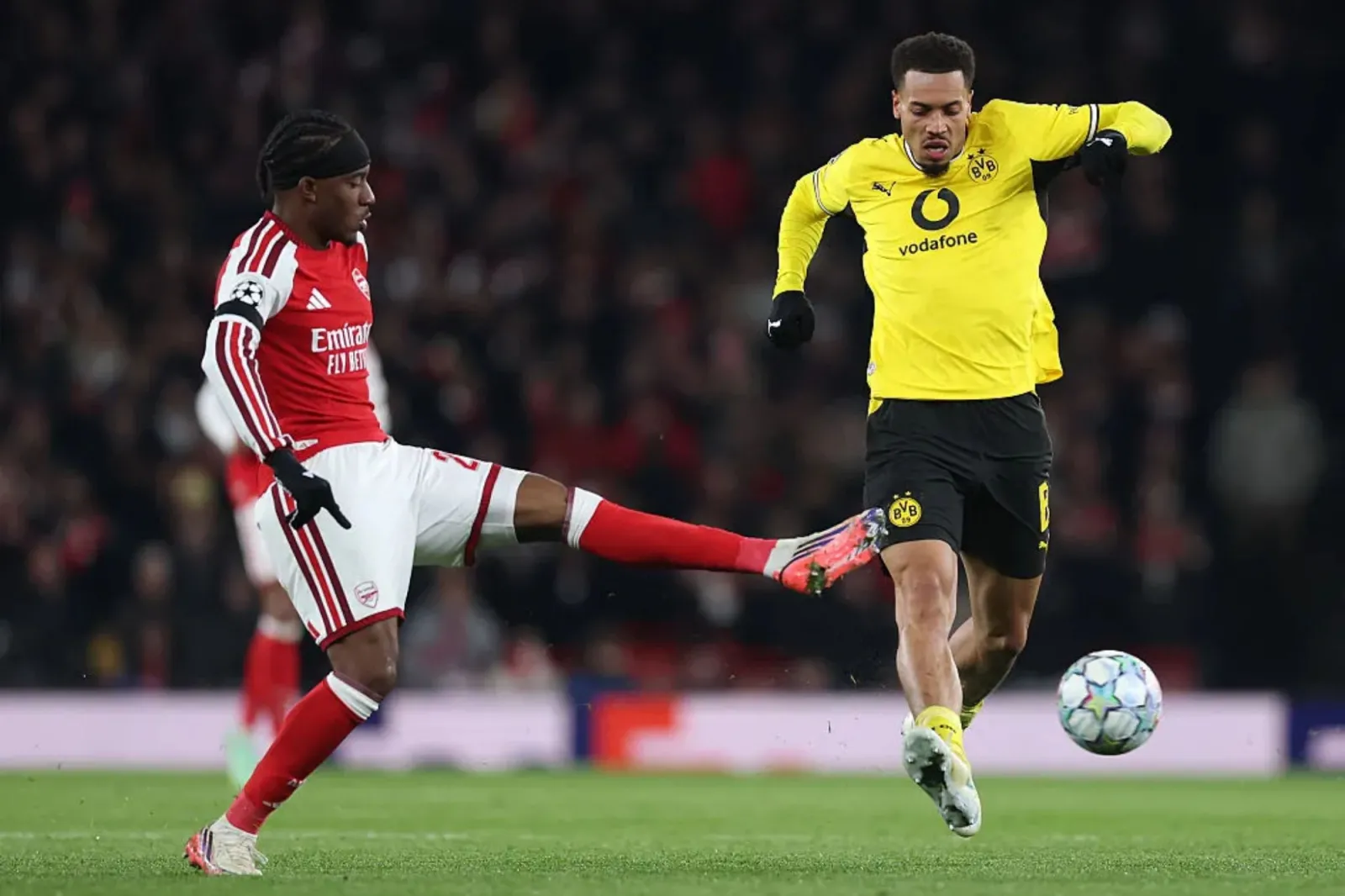
Arsenal were held to a 1-1 draw by Borussia Dortmund on a cold London night. The north London side escaped the capital clash with a single point after a turbulent European fixture that saw missed opportunities on both sides. Mikel Arteta watched his squad struggle to put away a resilient German opponent, leaving supporters frustrated as the team slipped up in the continental competition.
The match showcased moments of individual brilliance alongside missed chances that ultimately cost the hosts a victory. Viktor Gyokeres put the home side ahead early in the contest with a remarkable long-range effort. However, defensive lapses and a failure to convert subsequent chances allowed Borussia Dortmund to equalize and nearly steal the win in the second half.
European football carries immense pressure for English clubs participating in continental tournaments. Squad rotation, fixture congestion, and tactical adjustments dictate how managers handle these high stakes matches. Fans expect consistent performances both domestically and abroad, turning every group stage encounter into a vital test of squad depth and tactical flexibility.
Stadium atmospheres during midweek fixtures often generate unique intensity under floodlights. The crowd in north London drove their team forward from the opening whistle, reacting to every duel and transition. European nights demand concentration for the full ninety minutes, as visiting teams frequently exploit any momentary loss of focus.
Viktor Gyokeres Opens Scoring with Sensational Strike
Viktor Gyokeres put the north Londoners 1-0 up in the tenth minute with a sensational swirling strike from outside of the box. The forward demonstrated his technical ability by finding space and unleashing a powerful shot that beat the goalkeeper cleanly. This early breakthrough energized the home crowd and set a high tempo for the opening phase of the game.
Despite his brilliant goal, the forward struggled to maintain clinical precision for the remainder of the evening. Gyokeres missed a golden opportunity to bag the three points for the Gunners, putting what seemed to be an easy header past the far post in the 76th minute. That missed header proved costly as the team failed to secure the win before the final whistle.
Modern strikers require multifaceted skill sets to break down organized continental defenses. Movement off the ball, physical strength against central defenders, and composure under pressure dictate a forward efficiency. When a striker converts early, expectations rise for them to punish further defensive mistakes.
Finishing requires split second decisions inside congested penalty areas. Strikers analyze body shapes of goalkeepers and angles of approaching defenders within milliseconds of receiving a pass. Missing opportunities late in matches often haunts teams when final group standings are calculated.
Maximilian Beier Equalizes for Borussia Dortmund
The super Swede strike was cancelled out by a neat finish by Maximilian Beier in the 55th minute. Borussia Dortmund regrouped during the interval and increased their attacking pressure after the restart. Beier capitalized on a defensive opening inside the area to slot the ball past the goalkeeper with a composed finish.
The equalizer shifted momentum firmly in favor of the visitors. Borussia Dortmund began to control possession and test the home defense with sustained pressure. The tactical adjustment by the German side caught the home team off guard, leading to anxious moments in the penalty area.
Half time tactical team talks frequently alter the dynamic of European fixtures. Coaching staff identify gaps in opposition defensive lines and instruct midfielders to push higher up the pitch. Away sides often adopt a more aggressive posture once they trail, testing the resilience of the hosts.
Defending against quick transitions remains a primary challenge for elite clubs. When full backs push forward to support attacks, space opens behind them for pacy wingers to exploit. Recognizing these spatial vulnerabilities separates successful defensive units from those that concede avoidable goals.
VAR Rules Out Jobe Bellingham Goal in Tight Offside Call
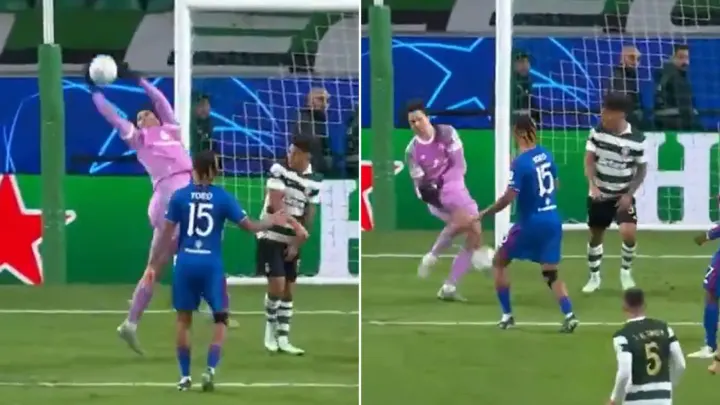
Dortmund thought they had got themselves in front in the 68th minute when Jobe Bellingham pounced on a poor save from Kepa Arrizabalaga to fire home inside the 18-yard-box. The midfielder reacted quickest to the loose ball after the goalkeeper failed to hold a previous shot, sparking wild celebrations from the visiting bench.
However, the midfielder goal was ruled out as he was marginally offside when Julian Ryerson struck his shot. Video assistant technology reviewed the sequence and confirmed the assistant referee initial judgment. This reprieve kept the score level and gave the home team a vital second chance to salvage a result.
Video assistant referee protocols have transformed how disputed incidents are handled in professional football. Officials in remote hubs review angles and frame rates to determine exact points of impact during passing sequences. Millimeter precision dictates whether celebrations end in jubilation or frustration.
Goalkeepers face immense scrutiny when parrying shots into dangerous areas inside the box. Shot stoppers train extensively to push balls wide of oncoming attackers rather than back into the danger zone. When parries fall kindly to opportunistic midfielders, defenses rely on offside lines to bail them out.
Late Drama and Missed Winners for Mikel Arteta Side
Declan Rice came agonisingly close to nabbing all three points for Mikel Arteta side in the 83rd minute but saw his low first-time left-footed drive ricochet off the base of the left-hand post. The midfielder surged forward to meet a late chance, but the woodwork denied the home side a dramatic winner in the dying moments of the match.
The sequence highlighted the fine margins that decided the outcome in London. Both teams created openings to claim victory in the closing stages, but neither could find the decisive touch. The draw leaves the group standings tight as the competition progresses into its crucial phase.
Late surges in matches require supreme physical conditioning from players competing across multiple domestic and international fronts. Managers use substitutes to inject fresh energy into midfield and attacking positions during the final quarter of an hour. Tactical discipline often breaks down as fatigue sets in, leading to frantic end-to-end action.
Hitting the woodwork represents the ultimate frustration for attacking players and coaching staff. Inches separate a celebrated match winning goal from a routine clearance. Teams must regroup quickly from such near misses as the fixture list offers no rest in modern competitive football.