Thanksgiving hosts who plan to serve a charcuterie board should follow USDA and Good Housekeeping safety guidelines for brie cheese and other perishable items, as the risk of bacterial growth rises sharply after two hours at room temperature.
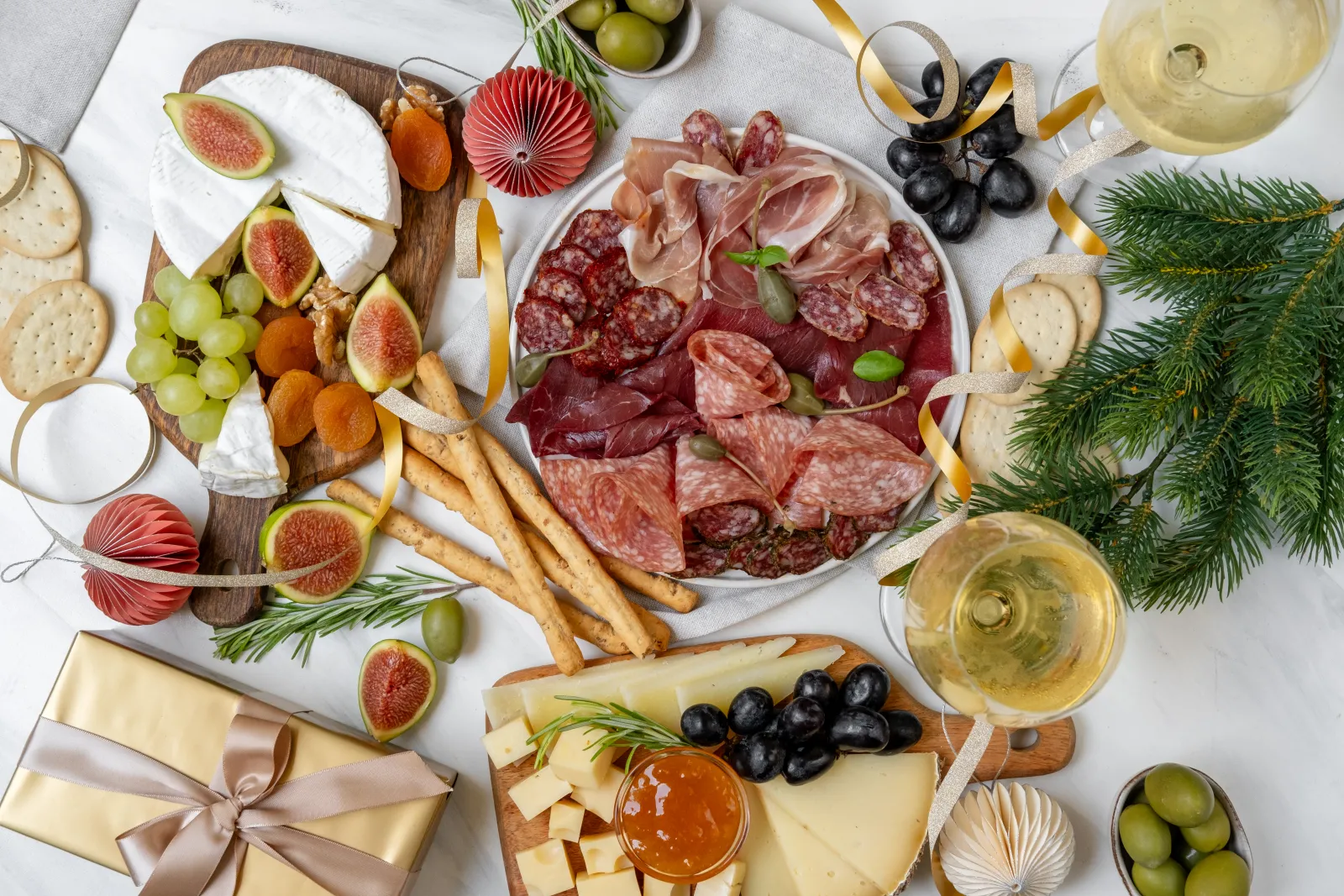
Charcuterie boards are a staple of many holiday gatherings, offering a mix of deli meats, soft and hard cheeses, fresh fruit and vegetables for guests to sample. While the visual appeal is high, the food safety stakes are equally important.
What the USDA Calls the Food Danger Zone
The United States Department of Agriculture defines the "danger zone" as temperatures between 40°F (4°C) and 140°F (60°C). Within this range, bacteria such as salmonella and E. coli can double in number every 20 minutes. The USDA advises that perishable foods should not remain in this zone for more than two hours under normal indoor conditions.
If ambient temperature exceeds 90°F (32°C), the safe window shrinks to one hour. This rule applies to all foods that require refrigeration, including brie, other soft cheeses, and sliced deli meats.
Why Brie and Soft Cheeses Need Extra Care
Brie is a soft, ripened cheese with a high moisture content and a pH that supports rapid bacterial growth once the protective rind is breached. Good Housekeeping notes that brie and similar soft cheeses can sit out for only two hours before becoming unsafe.
Hard cheeses such as cheddar or parmesan have lower moisture and higher acidity, allowing them to remain out longer without reaching dangerous bacterial levels. Whole grapes, being low-moisture fruit, also pose less risk than cut fruit that releases juices.
Practical Steps for a Safe Charcuterie Board
To keep your board both attractive and safe, follow these steps:
- Arrange the board close to a refrigerator or ice bath so that items can be chilled quickly if the party runs long.
- Use separate small dishes for soft cheeses and deli meats, and keep them covered when not being served.
- Replace any items that have been out for more than two hours with fresh portions, or discard them entirely.
- In outdoor settings where temperatures may exceed 90°F, set a timer for one hour and remove perishable items promptly.
What the Experts Say
The USDA Under Secretary for Food Safety, Mindy Brashears, emphasizes that appearance does not guarantee safety: "Just because it looks good, definitely doesn't mean it is safe to eat." This quote, reported by Good Housekeeping, reinforces the need for strict time monitoring.
Good Housekeeping's food safety team also stresses that the two-hour rule applies to brie, other soft cheeses, and cut fruit. Whole grapes and hard cheeses can stay out longer, but they should still be monitored for signs of spoilage.
Impact on Holiday Hosts and Food Service Businesses
For home cooks, the guidelines mean planning ahead, pre-portioning cheese and meats, and using chilled serving trays. Restaurants and catering firms must train staff to rotate items off the board before the two-hour limit expires, especially during high-traffic Thanksgiving service.
Failure to follow these rules can lead to foodborne illness outbreaks, which not only affect health but also damage reputations and result in costly recalls.
What Comes Next: Monitoring and Enforcement
The USDA continues to publish reminders about the danger zone throughout the holiday season. While there is no new legislation tied to Thanksgiving, the agency will conduct random inspections of food-service establishments to ensure compliance.
Consumers can expect further guidance from Good Housekeeping and other trusted sources, often distributed through newsletters and social media in the weeks leading up to the holiday.
Key Takeaways for Readers
Keep brie and other soft cheeses refrigerated until the moment they are served. Do not let them sit out longer than two hours at room temperature, or one hour if the room is above 90°F. Discard any perishable item that exceeds these limits, even if it looks appealing.
By following these simple steps, hosts can enjoy a beautiful charcuterie board without risking the health of their guests.