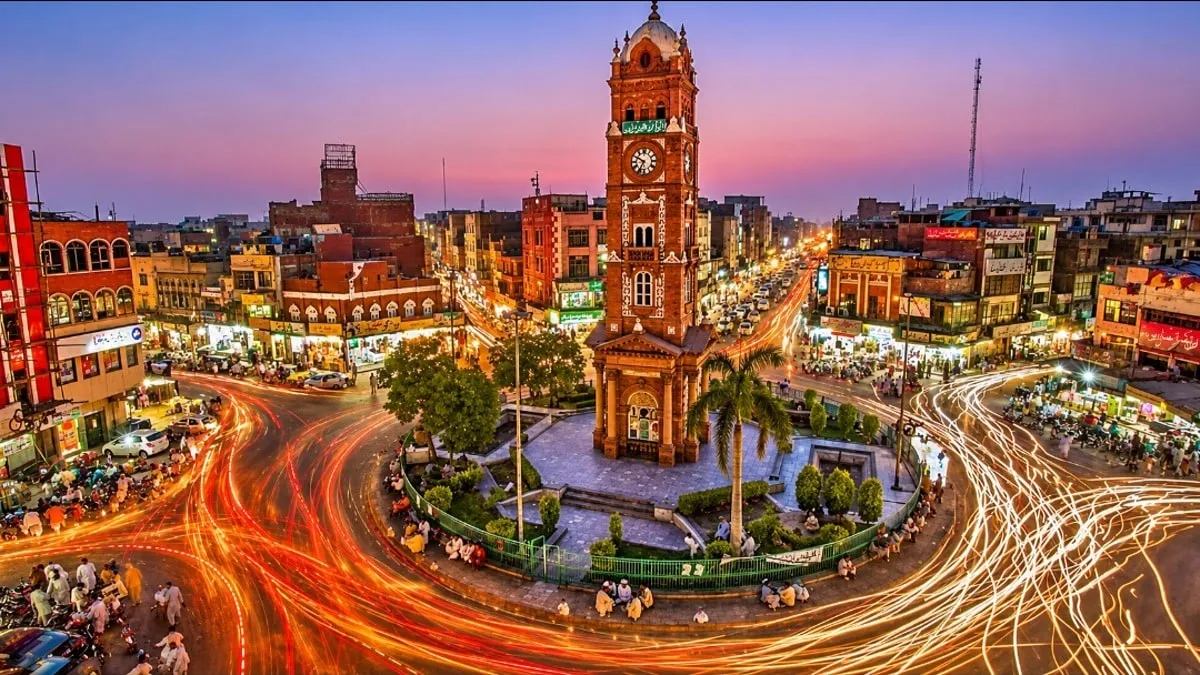
The Faisalabad administration has started a formal process to rename City Tehsil as Lyallpur and Saddar Tehsil as Sandal Bar, aiming to restore the region's historic identity.
What Is Behind the Proposed Renaming?
The divisional commissioner has instructed the deputy commissioner to gather public opinion on the two name changes. After the consultation, a summary will be presented to the District Coordination Committee. The committee's recommendation will then be sent to the Punjab provincial government for final approval.
Historical Background of Faisalabad's Name
Faisalabad was founded as a colonial settlement in the early 20th century. In 1904 the town received district status and was named Lyallpur after Sir James Lyall, the then lieutenant-governor of Punjab. The name reflected the British practice of honoring officials through place-names.
In the 1970s the government of Pakistan renamed the city Faisalabad in tribute to Saudi King Faisal bin Abdulaziz, who was a close ally of Pakistan at the time. The change was part of a broader wave of renaming that sought to replace colonial references with symbols of Islamic solidarity.
Despite the official change, many residents, businesses and institutions continued to use the older name. The city's airport code remains LYP, a reminder of the historic label that still appears on tickets and freight documents.
Why Lyallpur and Sandal Bar Matter to Residents
The divisional administration has highlighted three main reasons for restoring the historic name Lyallpur. First, a large segment of the population feels a strong attachment to the original name, which they associate with the city's early growth and cultural heritage. Second, local businesses, schools and sports clubs still brand themselves with Lyallpur, creating a practical incentive to align official records with everyday usage. Third, the airport code LYP continues to be used in travel and logistics, causing occasional confusion when the official name differs.
The proposed name Sandal Bar for Saddar Tehsil refers to the historic "Bar" region - a stretch of fertile, uncultivated land that once dominated the Punjab countryside. The term "Sandal Bar" appears in old maps and literature, describing the area's natural grasslands and the pastoral lifestyle that preceded intensive agriculture. Restoring this name would acknowledge the rural roots of the tehsil and differentiate it from the more urbanised City Tehsil.
Procedural Steps and Required Approvals
After the deputy commissioner collects feedback, the summary report will be discussed at the District Coordination Committee (DCC). The DCC, which includes elected representatives and senior bureaucrats, reviews the public sentiment and assesses any administrative implications, such as changes to land records, signage, and government databases.
If the DCC endorses the proposal, it will be forwarded to the Punjab provincial government. The provincial cabinet, through the Department of Local Government and Rural Development, must issue a formal order to amend the official gazette. Only after the gazette notification can the new names be used in legal documents, postal services and electoral rolls.
Potential Impact on Citizens and Institutions
Should the name changes be approved, residents will need to update address details on identity cards, utility bills and bank records. Businesses that already use Lyallpur in their branding may benefit from reduced paperwork, while those that have adopted Faisalabad branding will face a transition cost.
Educational institutions, such as Lyallpur University and Lyallpur College, would see their names aligned with official records, eliminating the current mismatch. The airport's signage and digital systems would no longer need to reconcile LYP with Faisalabad, simplifying travel logistics.
What Residents Can Do Now
The public consultation will likely involve written submissions, town-hall meetings and online surveys. Citizens are encouraged to submit their views through the deputy commissioner's office or via the official district portal. Opinions may be expressed as support for the historic names, suggestions for alternative spellings, or concerns about the administrative burden of changing official documents.
Community groups have already begun drafting position papers. Some local historians argue that reinstating Lyallpur would boost tourism by highlighting the city's colonial-era architecture, while others stress the need to preserve the post-1970s identity linked to King Faisal's legacy.
What to Watch for Next
The next public milestone is the release of the consultation summary, expected within the next two months. After the DCC meeting, the provincial government's decision will be announced, likely through a press release and a notice in the Punjab Gazette. Observers will watch for any legal challenges, as name changes sometimes prompt petitions in the courts over procedural issues.
Regardless of the outcome, the process underscores a broader trend in Pakistan where localities revisit colonial and post-colonial names to reflect community sentiment. The Faisalabad case may set a precedent for other districts that are considering similar renaming initiatives.