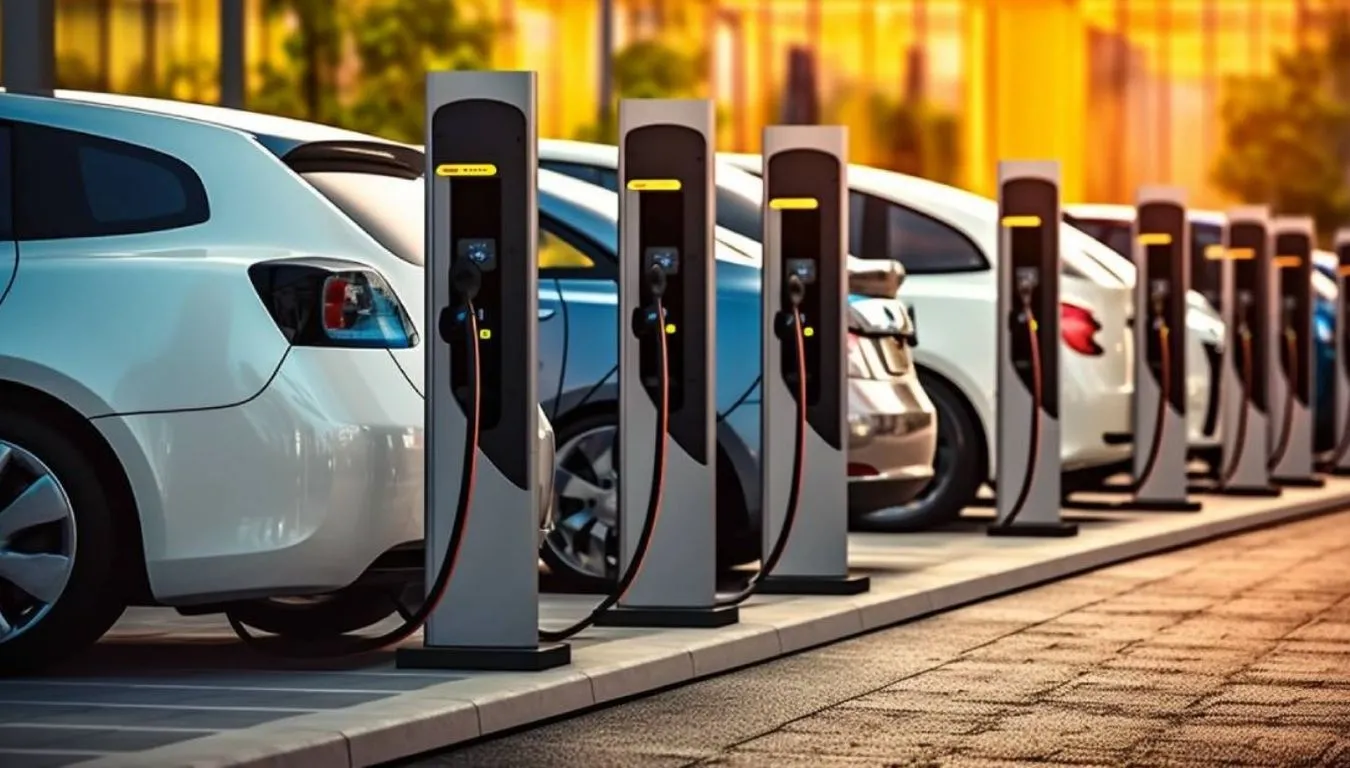
Pakistan State Oil Plans EV Charging Network Expansion
Pakistan State Oil plans to establish more than 300 electric vehicle charging stations across major cities and highways over the next two to three years as it expands its presence in the country's growing electric vehicle market. The initiative represents a major shift in how the state-backed energy firm approaches fuel retail, moving beyond traditional petroleum products to accommodate alternative fuel infrastructure. As vehicle manufacturers introduce more battery-powered models to local buyers, the availability of reliable charging points remains a primary concern for motorists.
Company executives outlined these strategic objectives during a corporate briefing held on November 25. The transition aligns with broader national energy policies that encourage lower carbon emissions and reduced reliance on imported fossil fuels. By placing chargers along major highways and within urban centers, the company intends to build a cohesive network that supports long-distance travel for battery-powered cars and commercial transport.
Investing in Supply Chain Digitisation
Alongside its charging station rollout, the company plans to invest up to Rs1.8 billion in digitising its supply chain and approximately 3,600 fuel stations. According to details shared during the corporate briefing, this automation project is expected to be completed between March and June 2027. The overhaul involves upgrading back-end inventory systems, real-time tracking of fuel movement from depots to pumps, and implementing digital payment systems at retail outlets.
Modernising these operations helps reduce inventory losses, improves transparency, and ensures that fuel quality standards remain consistent across thousands of locations. Retail network digitization also creates a unified data environment, allowing management to monitor sales trends and fuel demand fluctuations across different provinces with greater precision.
Understanding Oil Marketing Company Margins
This capital investment is expected to help the company qualify for an additional Rs1.22 per litre in oil marketing company margins on petrol and diesel. The government has linked this increase to the complete digitisation of the supply chain, creating a direct financial incentive for energy firms to modernise their infrastructure. Margins represent the fixed revenue that oil marketing companies earn on every litre of fuel sold to cover operational costs and generate profit.
Regulated pricing structures in the domestic energy market mean that companies rely heavily on government-approved margins to fund capital expenditures. Company management expects to receive part of the additional margin before the automation project is completed. The full increase will be available once the company meets the required digitisation targets set by regulatory authorities.
Aligning with National Electric Vehicle Policy
The national framework governing this transition is the National Electric Vehicle Policy 2025-30, which aims to establish 3,000 charging stations nationwide by 2030. The policy also requires oil marketing companies to install chargers at 10% of their fuel stations. With approximately 3,600 retail outlets in its network, the planned deployment of more than 300 charging stations meets the mandatory threshold set for fuel retailers.
The policy forms part of a larger regulatory effort to curb urban air pollution and reduce foreign exchange spending on imported crude oil. Transport sector emissions make up a substantial portion of urban pollution in major metropolitan areas, prompting authorities to promote electric mobility as a viable alternative.
Commercial Viability of Alternative Fuels
Management views the expansion into electric vehicle charging as a potentially profitable business opportunity over the long term. However, the company has not disclosed the total financial investment required to install the planned charging stations. While initial capital expenditure for fast chargers remains high, long-term projections suggest growing demand as internal combustion engine vehicles face stricter environmental regulations and rising fuel costs.
Infrastructure development depends heavily on stable grid access and reliable electricity supply, particularly along remote highway stretches. Energy planners are currently evaluating how high-capacity chargers will interact with local electricity distribution networks to prevent grid overloads during peak usage hours.
Broader Impact on Pakistan Electric Mobility Market
The expansion comes as the country moves towards electric mobility, with the government aiming to increase electric vehicles share of new vehicle sales to 30% by 2030. Achieving this target requires coordinated efforts between automotive assemblers, energy suppliers, and government regulators to ensure that vehicles, fuel, and charging infrastructure grow at a similar pace.
Consumers looking to purchase battery-powered cars often cite the lack of public charging points as a major deterrent. By establishing chargers at established fuel stations, energy retailers can use their existing real estate footprints to alleviate range anxiety among drivers.