Hisense 50Q8STUK MiniLED 144Hz 4K TV Price Cut at Amazon
Shoppers looking to upgrade their home entertainment systems can now purchase the Hisense 50-inch 50Q8STUK MiniLED 144Hz 4K TV for £509, down from its original price of £549 at Amazon. This £40 price drop arrives as part of the retailer seasonal Black Friday event, giving buyers a chance to acquire hardware from Hisense. While the discount might seem modest compared to other promotions, this specific television belongs to the brand production lineup, meaning it features newer hardware specifications than older clearance models.
Television technology has advanced rapidly over recent years, and mid-range displays now incorporate features that were once exclusive to premium units. The inclusion of MiniLED backlighting stands out as a primary selling point for this display, allowing it to compete with more expensive alternatives on the market. Consumers searching for a balance between cost and performance often look toward these mid-cycle markdowns to secure advanced specifications without paying full retail prices.
Finding a modern television that balances high-end visual capabilities with a reasonable price tag is a common goal for households preparing for winter holidays and indoor entertainment. Retailers frequently discount electronics during November to clear inventory and attract shoppers who are comparing multiple brands simultaneously. This specific offer gives buyers an entry point into advanced panel technology without requiring the investment typically associated with flagship models from major manufacturers.
The marketplace for home displays features intense competition among electronics manufacturers, pushing brands to include advanced features in lower price tiers. Understanding the technical specifications of these televisions helps buyers make informed decisions when seasonal discounts reduce the cost of popular models. Hardware upgrades such as improved backlighting methods and faster refresh rates directly influence how movies, sports shows, and video games appear on screen.
Understanding MiniLED Technology and Peak Brightness
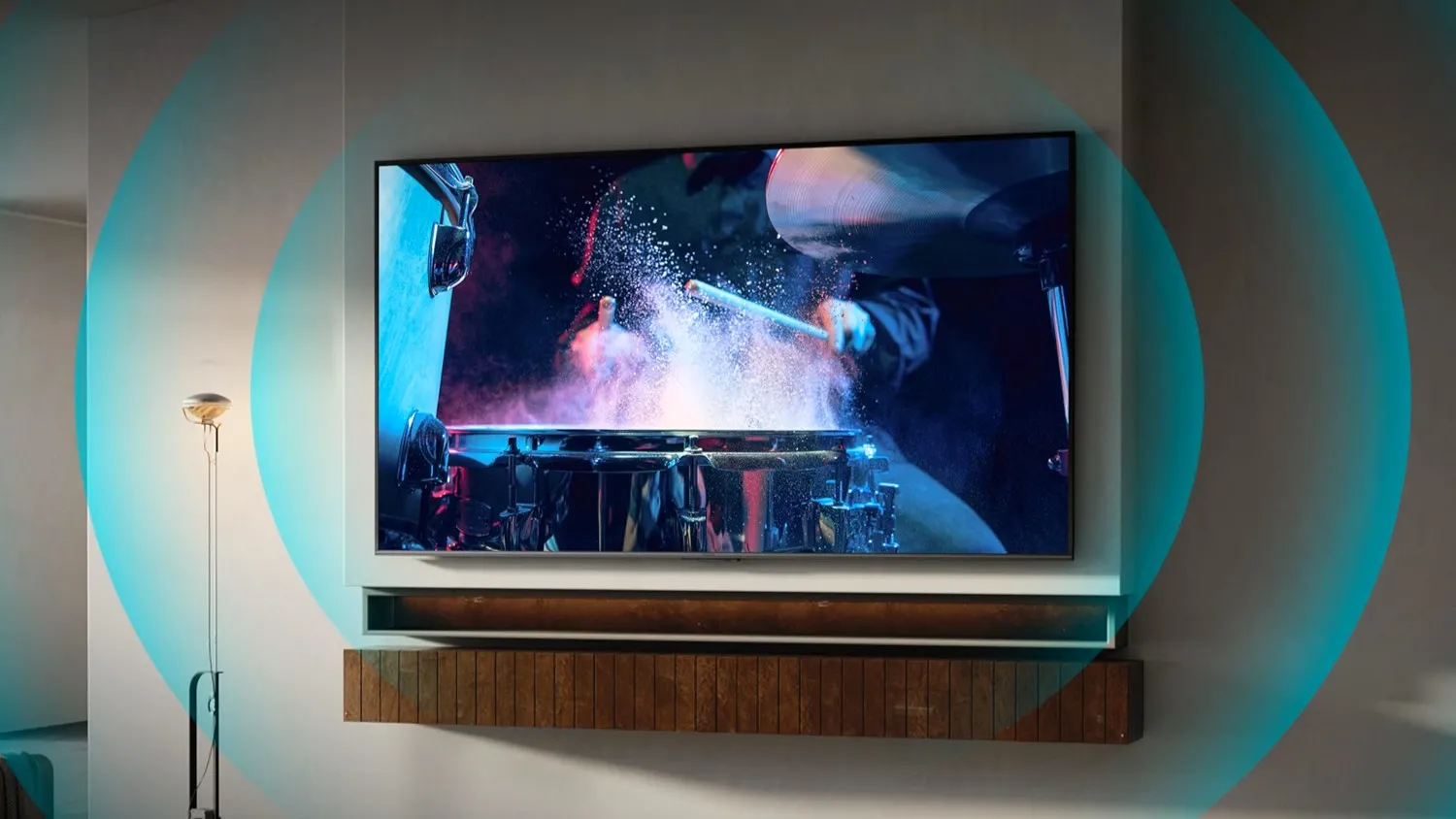
MiniLED backlighting is a significant upgrade over traditional LED technology, using significantly smaller diodes to illuminate the screen. This design allows for more precise local dimming zones, which directly improves contrast ratios by keeping dark areas truly dark while bright elements shine. The Hisense 50Q8STUK achieves a quoted peak brightness of 1,300 nits, enabling punchy high dynamic range performance that makes compatible movies and games pop with vibrant color.
Traditional LED sets often struggle with blooming, a visual artifact where light bleeds from bright objects into surrounding dark regions. While MiniLED does not eliminate this entirely, the denser array of backlighting zones minimizes the effect significantly. Coupled with support for Dolby Vision and HDR10+ formats, the display adapts to different content types dynamically, ensuring that visual fidelity remains high regardless of whether a user is watching a streaming service or playing a high-end video game.
The transition from standard LED to MiniLED represents a major shift in how liquid crystal displays manage light distribution across the panel. By shrinking the individual light-emitting diodes, engineers fit hundreds or thousands of tiny lighting clusters behind the screen surface. This granular control means that bright objects against a dark background receive illumination only where needed, creating a more realistic and immersive viewing environment for cinema enthusiasts.
Peak brightness measured in nits determines how well a television handles brightly lit rooms and intense highlights in high dynamic range content. A rating of 1,300 nits allows specular highlights like reflections on water or explosions in films to stand out with striking intensity. Viewers watching movies mastered for high dynamic range formats will notice greater detail in both bright daylight scenes and shadowed interiors.
Gaming Performance and Refresh Rate Capabilities
Modern video games demand fast response times and smooth motion handling, areas where the Hisense 50Q8STUK excels thanks to its native 144Hz panel. Variable Refresh Rate technology is also built into the set, synchronizing the display refresh rate with the output of a connected computer or console to eliminate screen tearing and stuttering. These specifications ensure that fast-moving titles remain crisp and clear during intense action sequences.
Consoles such as the PlayStation 5 and Xbox Series X typically cap their output at 120Hz, meaning the full 144Hz capability is best used by PC gamers with powerful graphics cards. Even so, running games at 120Hz with variable refresh rate support provides a major visual upgrade for console owners compared to standard 60Hz screens. Buyers reviewing the hardware have noted that compatible consoles deliver a remarkably smooth gaming experience when paired with this display panel.
High refresh rate technology has transitioned from computer monitors to living room televisions as modern gaming hardware has advanced to support higher frame rates. A 144Hz refresh rate means the screen updates image data 144 times per second, reducing motion blur significantly compared to older 60Hz displays. Gamers playing competitive titles where split-second reactions matter will benefit from the reduced input lag and smoother visual transition between frames.
Variable Refresh Rate prevents visual artifacts like tearing, which occurs when a graphics processor sends a new frame while the screen is still displaying the previous one. By locking the screen refresh rate to the frame rate of the game in real time, the television delivers a fluid experience without stuttering. This technology works seamlessly across supported HDMI ports, making connection setup straightforward for users plugging in multiple modern gaming devices.
Smart Features, Audio, and Connectivity Options
Beyond its display capabilities, the television includes a range of modern smart features designed to simplify everyday use. Freely comes built into the software, allowing users to stream live television channels directly over a wi-fi connection without needing a traditional rooftop aerial. For voice commands, the included remote control features hands-free Alexa integration, letting users change channels, adjust volume, or search for content using spoken prompts.
Audio performance is often a weak point for thin flat-screen displays, but this model attempts to address the issue by including a built-in subwoofer. While dedicated soundbars or surround sound systems will still offer superior audio fidelity, the integrated subwoofer provides extra bass depth for everyday viewing before a user decides to upgrade their sound setup. The inclusion of AMD FreeSync Premium further cements its status as a versatile display for mixed entertainment setups.
Smart television platforms now serve as the central hub for home entertainment, aggregating streaming services, live broadcasting, and smart home controls into a single interface. Built-in applications for major streaming services allow viewers to access high-definition and high dynamic range content instantly without purchasing external streaming sticks. Software updates delivered over the internet ensure that the operating system receives security patches and new feature additions over time.
Connectivity options on modern displays dictate how easily users can attach multiple peripherals, from gaming consoles to Blu-ray players and sound systems. Multiple HDMI ports supporting high-bandwidth data transfer ensure that devices can output maximum resolution and frame rate simultaneously. Audio return channels simplify cable management by sending sound from the television apps directly to a compatible external audio receiver or soundbar.
How It Compares to Rival Displays in the Sale
Navigating holiday sales requires careful comparison between competing models within the same price bracket. For instance, Sony offers its 50-inch Bravia 3 television for £516 during the exact same retail event, yet that alternative relies on a more basic Direct LED panel rather than advanced MiniLED architecture. Buyers who prioritize contrast depth, peak brightness, and high refresh rates will find that the Hisense hardware offers superior technical specifications for a slightly lower financial outlay.
Reviews from early adopters indicate that the display holds a solid average rating across multiple sizes, though individual experiences with software and panel uniformity can vary slightly. One reviewer noted minor blooming in very dark scenes, while another mentioned needing a software update to correct initial color calibration. Despite these minor points, market analysts suggest that finding a MiniLED screen at this price point represents a strong option for users upgrading their living room or gaming setup.
Shopping events like Black Friday generate intense competition among manufacturers, leading to aggressive pricing strategies that benefit consumers looking for high-value purchases. When evaluating television deals, checking the underlying display technology prevents buyers from purchasing outdated stock masquerading as a bargain. MiniLED sets consistently command higher prices due to their complex manufacturing requirements, making promotional discounts notable events for budget-conscious tech enthusiasts.
Consumer feedback highlights the importance of matching television capabilities with personal viewing habits, whether that involves watching films in dark rooms or playing fast-paced video games during the day. Assessing how a television handles reflections, color accuracy, and motion clarity ensures long-term satisfaction with the purchase. Retail sales provide an ideal window for acquiring these capable displays before standard retail prices return after the holiday shopping period ends.