The National Cyber Crime Investigation Agency (NCCIA) announced on Wednesday that it has arrested five individuals suspected of running a five-year medical billing fraud that siphoned roughly Rs1.2 billion from elderly Americans.
Investigators recovered Rs150 million in cash, cryptocurrency valued at about Rs60 million, and four luxury vehicles, while alleging that the bulk of the proceeds moved through illegal hawala and hundi channels.
How the Scam Operated from Karachi
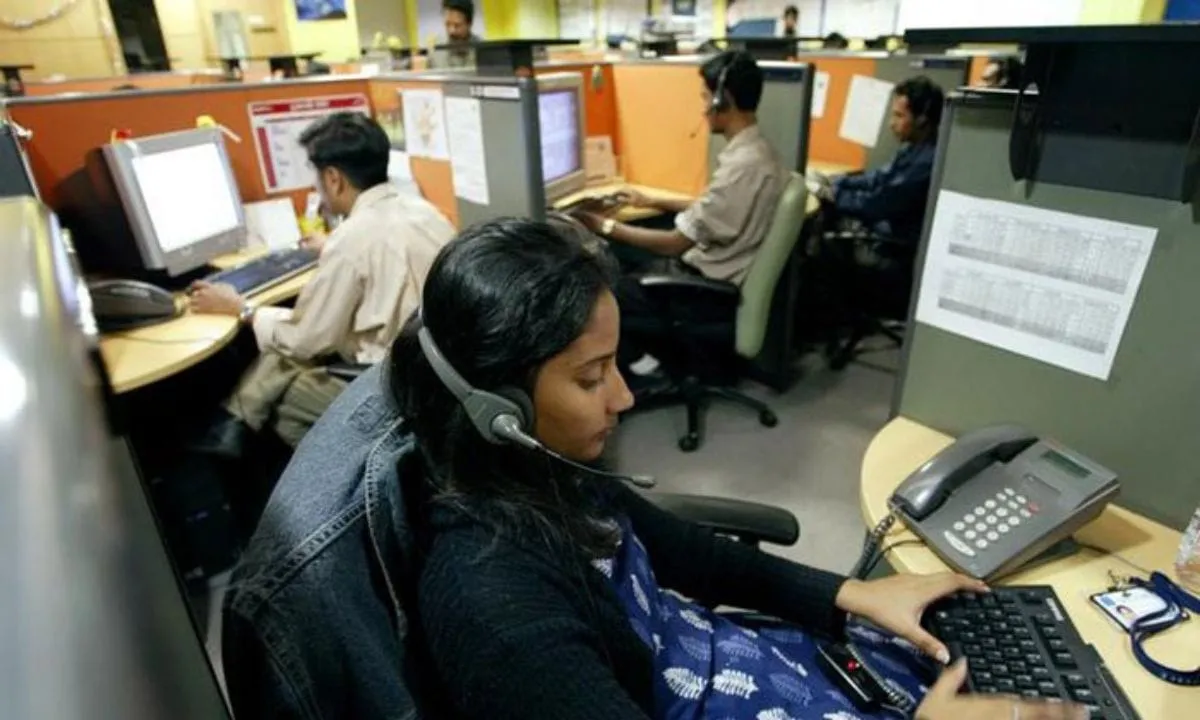
NCCIA Additional Director Shahzad Akbar said the operation was based out of a call centre on Sharae Faisal, inside the Anam Empire complex, and ran from 2020 to 2025 under three commercial names: Global Resource Group, Phoenix Marketing Solution and The Call Solution.
According to Akbar, callers placed unsolicited phone calls to senior citizens living in the United States. The script misrepresented the victims' eligibility for Durable Medical Equipment (DME) and exaggerated the benefits of their health-insurance policies. By convincing the seniors to share personal and medical details, the callers gathered the data needed to file fraudulent insurance claims.
The stolen information was then handed over to a US-based medical-billing partner. That partner filed false claims with major insurers such as Medicare, Humana and UnitedHealthcare. After deducting a commission and covering operating costs, the partner distributed the remaining funds among the five suspects according to a pre-arranged share structure.
Financial Trail and Asset Seizure
Investigators traced 23 bank accounts opened under the names of fictitious firms. Within a short timeframe, roughly Rs1.2 billion was deposited into and withdrawn from these accounts. The money was quickly moved into both movable assets, cash, luxury cars, and cryptocurrency, and immovable assets such as real-estate, a common tactic used to obscure illicit origins.
The agency seized Rs150 million in cash, a currency-counting machine, and four vehicles: a Toyota Fortuner, a Toyota Revo, an MG and a Kia Stonic, together valued at around Rs48 million. In addition, a Binance wallet holding 223,309.85 USDT, equivalent to about Rs60 million, was identified and the exchange was asked to freeze the funds.
Wider Context: Karachi Call Centres and Cyber-Crime Networks
Akbar has previously estimated that between 300 and 350 call centres in Karachi engage in various scamming activities, ranging from impersonation and identity theft to fraudulent financial schemes. The current case fits a pattern where overseas individuals and merchant networks facilitate the flow of money, often using informal value-transfer systems like hawala and hundi that operate outside formal banking oversight.
These networks can relocate operations swiftly, moving from commercial premises to residential buildings or other covert locations, which complicates detection and prosecution. The NCCIA's success in this case demonstrates growing capability to infiltrate such networks, but officials acknowledge that many similar operations remain active.
Legal and Diplomatic Implications
The arrest underscores the transnational nature of cyber-enabled fraud. While the victims are U.S. citizens, the perpetrators operated from Pakistan, raising questions about jurisdiction, evidence sharing, and cooperation between law-enforcement agencies across borders.
U.S. authorities have previously issued alerts about medical-billing scams targeting seniors, warning that fraudulent DME claims can lead to inflated insurance premiums and reduced coverage for legitimate patients. The NCCIA's action may encourage further collaboration with agencies such as the U.S. Department of Justice and the Federal Trade Commission.
Impact on Victims and the Insurance Industry
Victims of the scheme potentially faced unauthorized charges on their Medicare or private-insurance statements, as well as the emotional stress of having personal health data compromised. Insurers, meanwhile, may incur higher fraud-related costs, which can translate into higher premiums for all policyholders.
By disrupting the payment pipeline and seizing assets, the NCCIA aims to deter similar schemes and protect both domestic and foreign consumers from financial loss.
What Comes Next: Ongoing Investigation and Asset Recovery
The five suspects remain in custody pending formal charges. Prosecutors are expected to file detailed indictments that outline the specific violations, including money-laundering, fraud, and violations of Pakistan's cyber-crime laws.
Authorities will continue to work with Binance and other cryptocurrency exchanges to trace and repatriate the frozen USDT. Additional forensic analysis of the seized bank accounts and vehicle registrations is underway to identify any further co-conspirators or linked entities.
Legal experts note that successful prosecution will depend on the ability to present a clear paper trail linking the call-centre operators to the U.S. billing partner, as well as demonstrating the use of illegal value-transfer mechanisms.
Practical Takeaways for Readers
- If you receive unsolicited calls claiming to verify medical-equipment eligibility, hang up and contact your insurer directly.
- Monitor insurance statements for unfamiliar charges and report any discrepancies promptly.
- Be cautious about sharing personal or medical information over the phone, especially if the caller asks for verification codes or banking details.
For businesses operating call centres, the case highlights the importance of robust compliance programs, regular audits, and cooperation with cyber-crime units to avoid inadvertent involvement in fraudulent schemes.
The NCCIA has pledged to intensify its crackdown on call-centre-based scams, signaling a broader effort to protect both local and international consumers from sophisticated cyber-fraud networks.