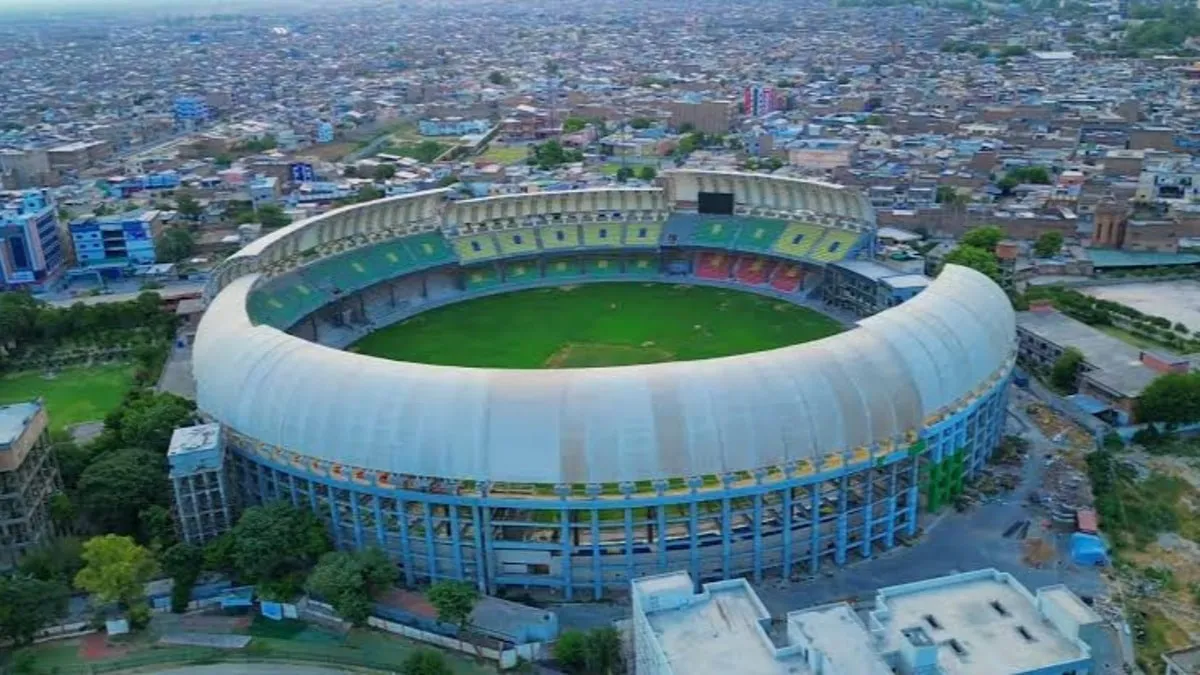
KP Governor Restores Historic Name of Arbab Niaz Stadium
Khyber Pakhtunkhwa Governor Faisal Karim Kundi has announced the restoration of the historic name Arbab Niaz Stadium in Peshawar, reversing the previous provincial government decision to rename it Imran Khan Stadium. In a formal statement regarding the policy reversal, Kundi explained that the move would restore the historical identity of the venue and properly recognize Peshawar rich sporting heritage. The decision marks a change in how public infrastructure is named and honored within the region, bringing back a moniker tied to local sports history.
The announcement addresses a long-standing point of contention among local sports enthusiasts and historians who value the original identity of the venue. By reverting to the original title, the administration aims to reconnect current generations with the foundational figures of regional athletics. The venue has stood as a central pillar of community sports in Peshawar for decades, hosting numerous local and regional matches that helped shape the athletic history of the province.
Background and History of Arbab Niaz Stadium
Arbab Niaz Stadium has served as a premier cricket venue in Peshawar for many years, hosting various domestic matches and international fixtures. Named originally to honor local sports patrons and historical figures, the ground has witnessed the evolution of cricket in Khyber Pakhtunkhwa. Over the decades, it became synonymous with athletic achievement in the northwest frontier region, providing a platform for aspiring cricketers to hone their skills before stepping onto the national and international stage.
Today, we are restoring the historic name of Arbab Niaz Stadium, reversing PTI’s decision to rename it Imran Khan Stadium. In 13 years, despite Khyber Pakhtunkhwa’s immense sporting talent, PTI could not build a single new cricket stadium, even though the Pakistan cricket team…
— Faisal Karim Kundi (@fkkundi) November 23, 2026
The venue history includes major hosting duties for domestic tournaments and international tours, embedding it deeply in the cultural fabric of Peshawar. Generations of fans have gathered at the grounds to watch players compete, making the physical location a repository of sporting memories. The decision to alter its name by the previous administration caused considerable debate among citizens who viewed the original name as an integral part of the city identity.
Criticism of Past Infrastructure Policies
Alongside the announcement regarding the venue name, Governor Kundi criticized the Pakistan Tehreek-e-Insaf government for failing to build a single new cricket stadium in Khyber Pakhtunkhwa during its 13 years in power. He highlighted this policy record despite the province possessing immense cricketing talent and producing a number of players who represent the national team. The absence of new facility construction during more than a decade of governance has left a noticeable gap in regional sports infrastructure.
Furthermore, Kundi questioned the rationale behind renaming an existing historical facility instead of directing resources toward developing new sporting grounds. He argued that altering established names does nothing to expand athletic opportunities for young people or improve the state of local infrastructure. Critics of the previous renaming effort often pointed out that rebranding current assets avoids the hard work of building modern facilities capable of meeting contemporary athletic demands.
Preserving Peshawar Sporting Legacy
Kundi emphasized that the restoration of the original title was primarily about preserving Peshawar history, respecting its heritage, and honoring individuals who contributed to the province sporting legacy through their achievements. Civic leaders and sports historians often stress that maintaining the names of historical grounds helps preserve the collective memory of a community. Athletic venues act as physical monuments to the hard work and dedication of past athletes and administrators.
The restoration ensures that the contributions of those originally recognized by the stadium name are not forgotten amid shifting political conditions. Communities build strong emotional attachments to public landmarks, and institutional names carry weight that extends beyond simple geography. By correcting past administrative changes, the current provincial leadership seeks to restore a sense of continuity and respect for local history among residents.
Impact on Local Athletes and Community
The debate over stadium names and infrastructure directly affects the morale of local athletes and sports fans in Khyber Pakhtunkhwa. When regional leaders prioritize historical preservation alongside genuine infrastructure development, it signals to young sports stars that their local heritage is valued. Peshawar has long been a nursery for cricketing talent, producing players known for their tenacity and skill on the pitch.
However, the lack of modern training facilities and new stadiums has sometimes hindered the region ability to host top-tier matches regularly. Addressing these structural challenges requires sustained investment and clear administrative priorities focused on expanding the athletic footprint of the province. While renaming a stadium does not build new pitches, the move addresses the cultural aspect of sports administration that matters deeply to the local population.
What Lies Ahead for Regional Sports Facilities
As the administration moves forward following the name restoration, observers and sports fans will watch closely to see if new infrastructure projects emerge in Khyber Pakhtunkhwa. Addressing the shortage of modern cricket grounds remains a pressing concern for athletes and coaches operating within the province. Developing training academies and match venues is essential for nurturing the next generation of national team representatives from the region.
The administration faces ongoing pressure to balance historical preservation with practical development needs. Ensuring that Peshawar and other districts receive adequate funding for sports complexes will determine the future competitiveness of local players. The restoration of Arbab Niaz Stadium serves as a step, but the broader development of regional sports continues to require concrete action from policymakers.