Punjab Releases Official List of Hospitals Providing Free Heart Surgery
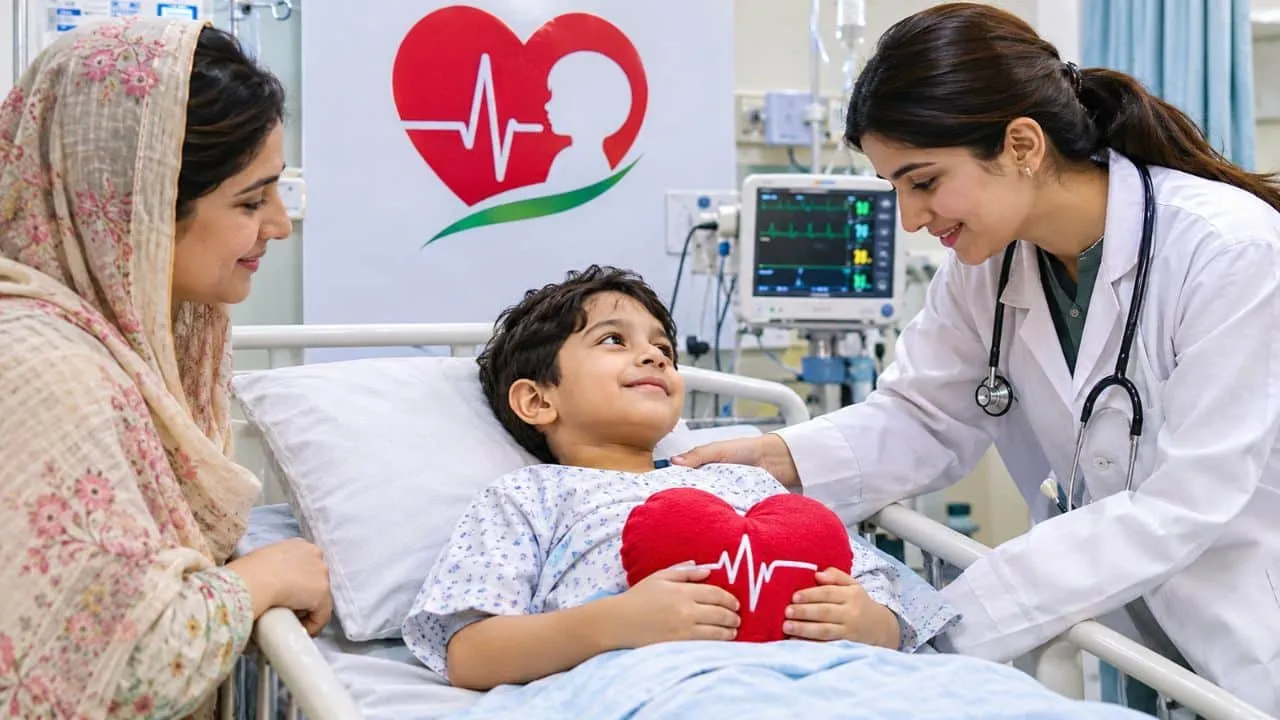
The Punjab government has released a list of 20 public and private hospitals providing free treatment under the Chief Minister's Children's Heart Surgery Program. This major healthcare initiative aims to alleviate the financial burden on families dealing with severe pediatric cardiac conditions. Access to specialized pediatric cardiac care has historically presented a significant financial barrier for low-income households across Pakistan. By partnering with both public institutions and private medical facilities, the regional administration intends to broaden the reach of life-saving medical procedures. Families across the region can now identify designated medical centers capable of performing complex surgical interventions without any out-of-pocket expenses.
According to the Punjab Health Initiative Management Company (PHIMC), the program provides free cardiac treatment to children suffering from congenital heart diseases, including patients from other provinces of Pakistan. Congenital heart defects rank among the most common types of birth anomalies, requiring prompt and expert surgical intervention to ensure long-term survival and health. The inclusion of patients from outside Punjab reflects a broader humanitarian approach to addressing pediatric heart ailments nationwide. The Punjab Health Initiative Management Company oversees the operational framework, ensuring that eligible families receive the necessary medical evaluations and surgical scheduling without unnecessary administrative hurdles.
Understanding the Chief Minister's Children's Heart Surgery Program
The initiative covers specialized heart treatment and surgeries through six government hospitals and 14 private healthcare facilities in Lahore, Multan, Rawalpindi, Islamabad, and Faisalabad. Decentralizing these medical services helps reduce travel burdens for families residing outside major metropolitan hubs. Each participating center meets strict clinical standards required for handling delicate pediatric heart operations. The public-private partnership model allows the government to use existing medical infrastructure in the private sector, thereby increasing the overall capacity for surgeries and reducing patient waiting lists.
Families seeking treatment can visit any participating government hospital to begin the registration and medical assessment process. Initial evaluations at public facilities ensure that patients meet the clinical criteria established by the health department. Once diagnosed and registered, eligible children are scheduled for procedures at either the evaluating public hospital or a designated partner facility. Medical professionals guide parents through every step of the diagnostic and admission phases, ensuring clarity regarding hospital locations and treatment timelines.
Government Hospitals Included in the Free Cardiac Program
The following six government hospitals are participating in the program:
- Children's Hospital, Lahore
- Punjab Institute of Cardiology, Lahore
- Rawalpindi Institute of Cardiology, Rawalpindi
- Faisalabad Institute of Cardiology, Faisalabad
- Children's Hospital, Multan
- Chaudhry Pervaiz Elahi Institute of Cardiology, Multan
Government medical institutions form the backbone of this healthcare initiative, handling a large share of initial consultations and primary surgeries. Facilities such as the Children's Hospital in Lahore and the Punjab Institute of Cardiology possess dedicated pediatric wards staffed by experienced cardiac surgeons and specialized nurses. These public centers maintain high patient volumes and offer comprehensive post-operative care units designed specifically for recovering infants and children.
Private Healthcare Facilities Offering Pediatric Heart Treatment
The Punjab government has also included 14 private hospitals to expand access to specialized cardiac treatment.
These hospitals are:
- Ittefaq Hospital (Trust), Lahore
- University of Lahore Teaching Hospital, Lahore
- Sharif Medical City Hospital, Lahore
- Bahria International Hospital, Orchard, Lahore
- Hameed Latif Hospital, Garden Town, Lahore
- Farooq Hospital, West Wood, Lahore
- Mukhtar A. Sheikh Hospital, Multan
- Buch International Hospital, Multan
- Medicare Hospital, Multan
- Maroof International Hospital, Islamabad
- Farooq Hospital, Bahria Enclave, Islamabad
- Bahria International Hospital, Rawalpindi
- Farooq Hospital, Rawalpindi
- Mujahid Hospital, Faisalabad
Involving private sector hospitals ensures that medical capacity meets the high demand for pediatric cardiac surgeries. These private facilities bring advanced technology, specialized intensive care units, and experienced surgical teams into the network. Geographic distribution across Lahore, Multan, Faisalabad, Rawalpindi, and Islamabad guarantees that patients in different regions can access care closer to their homes.
Eligibility and Registration Procedures for Patients
Navigating the healthcare system for specialized pediatric surgery requires understanding the specific administrative pathways established by health authorities. Parents and guardians must initiate the process by visiting a designated public hospital for a comprehensive medical examination. Clinical staff evaluate the child's heart condition, review previous medical records, and confirm the diagnosis of congenital heart disease. Proper documentation, including national identity cards and birth certificates, is typically required during the registration phase at the public facility.
Coordinating between public intake centers and private partner hospitals ensures a smooth transfer of patients requiring specialized procedures. The oversight provided by the Punjab Health Initiative Management Company prevents miscommunication and guarantees that all treatments remain entirely free of charge for eligible families. Citizens from other provinces residing in or traveling to Punjab can also use these services, provided their children meet the medical criteria established for the congenital heart disease program. Continuous monitoring by health officials helps maintain service quality across all 20 participating institutions.