Manchester United Face Sporting Lisbon in High Stakes European Match
Manchester United traveled to Lisbon for a crunch Champions League clash against Sporting Lisbon under immense pressure to secure a positive result. European nights in Portugal traditionally present a hostile environment for visiting English sides, and this fixture proved no exception as tension filled the stadium from the opening whistle. Both clubs entered the match with distinct tactical objectives, knowing that group stage points carry immense weight in the modern format of the competition. The atmosphere inside the arena reached a fever pitch as the home supporters drove their team forward, creating a cauldron of noise that tested the composure of the visiting players.
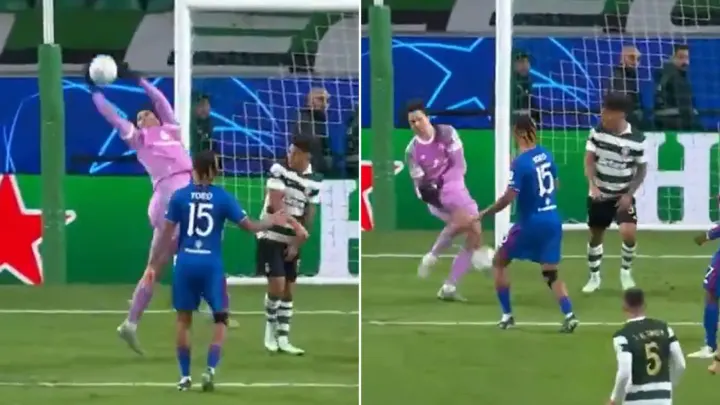
The tactical battle in the opening half hour saw both midfields fighting fiercely for control of the possession. Sporting Lisbon managed to break the deadlock first when Luis Suarez scored the opening goal of the match. That strike forced Manchester United to chase the game, altering their tactical approach and pushing more men forward to find an equalizer before the interval. The response from the English side was immediate, as they increased the intensity of their pressing and began to carve out openings in the final third of the pitch. The stakes could not have been higher for the visiting side, who rely heavily on European success to define their season ambitions.
How Amad Diallo Had His Equalizer Disallowed
Manchester United thought they leveled the score just three minutes before half-time when Amad Diallo headed the ball into the back of the net. The sequence began when Manchester United star Youri Tielemans won the ball in the build-up following a 50-50 challenge with Sporting captain Goncalo Inacio. That sequence led directly to Red Devils skipper Bruno Fernandes releasing Amad, 24, who initially hit the crossbar before reacting quickest to head home the rebound. The visiting players and traveling supporters erupted in celebration, believing the team had successfully restored parity right before the break.
However, Polish referee Szymon Marciniak, 45, immediately intervened and chalked the goal off for a strange reason. The official deemed that Youri Tielemans, 29, had committed a foul on Goncalo Inacio, 25, during their initial 50-50 challenge, even though television replays and live view suggested a completely fair challenge. The decision instantly nullified the hard-earned equalizer, leaving the scoreline at one to zero in favor of the home side. The sudden turn of events stunned the Manchester United bench and silenced the section of the stadium housing the away supporters.
Referee Szymon Marciniak Under Scrutiny
The central figure in the controversy was referee Szymon Marciniak, an official with vast experience officiating high-profile international and club matches. Despite his reputation, his decision to penalize Youri Tielemans baffled observers across the footballing world. Modern refereeing guidelines often emphasize allowing physical contact in 50-50 duels unless a clear and obvious offense occurs. In this instance, both players committed to the challenge with equal force, making the whistle seem overly harsh to neutral viewers and outright unjust to those connected with Manchester United.
Controversial refereeing decisions in European competitions frequently ignite intense debates regarding the consistency of officiating standards. The role of match officials in high-stakes fixtures carries immense scrutiny, particularly when split-second interpretations directly alter the scoreline of a match. Fans and analysts alike questioned why the intervention occurred, given that the contact appeared entirely natural for elite-level football. The incident added another chapter to the long history of disputed refereeing calls that have shaped the outcomes of crucial European fixtures over the decades.
Reaction From Pundits and Fuming Fans
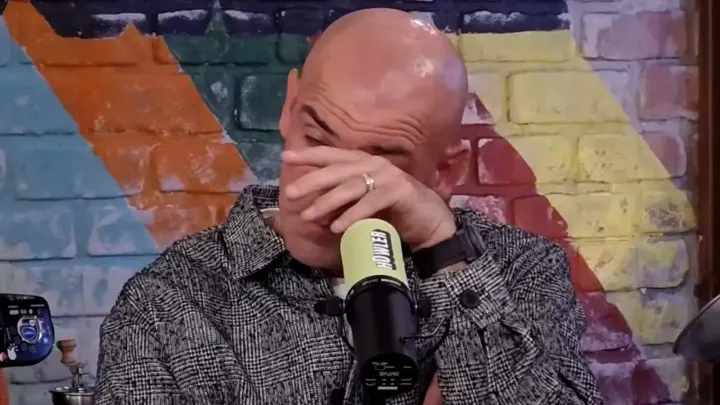
The reaction to the disallowed goal was swift and overwhelmingly angry across social media platforms and television broadcast studios. Manchester United fans and famous pundits expressed utter disbelief at the reasoning provided by the referee on the pitch. Pundits analyzing the match live on air dissected the replay frame by frame, universally agreeing that Youri Tielemans won the ball cleanly and that Goncalo Inacio simply lost the physical duel. The consensus among experts was that the goal should have stood without question.
Supporters voiced their frustration online, labeling the call as horrendous and accusing the officiating crew of robbing the team of a legitimate equalizer. For a fanbase already enduring a turbulent campaign, the moment felt emblematic of a season where fine margins frequently went against the club. The collective outrage highlighted the emotional investment supporters place in these continental matches, where every single goal holds immense value for qualification hopes and overall momentum.
The Broader Impact on Manchester United
Disallowing a goal of that magnitude just before half-time fundamentally shifted the psychological dynamic of the match. Instead of entering the dressing room on level terms and with renewed confidence, Manchester United had to regroup mentally while trailing. The psychological blow of losing a deserved equalizer often impacts a team's performance in the second half, forcing managers to make tactical adjustments earlier than planned. Every missed opportunity in the group stage creates mounting pressure for the remaining fixtures of the tournament.
As the match progressed past the incident, the visiting side had to channel their frustration into productive energy on the pitch. Navigating a deficit away from home in Europe requires immense mental resilience and tactical discipline from every player on the field. The fallout from this specific decision extended beyond the final whistle, prompting discussions among analysts regarding how such rulings impact the integrity and flow of elite club football competitions.