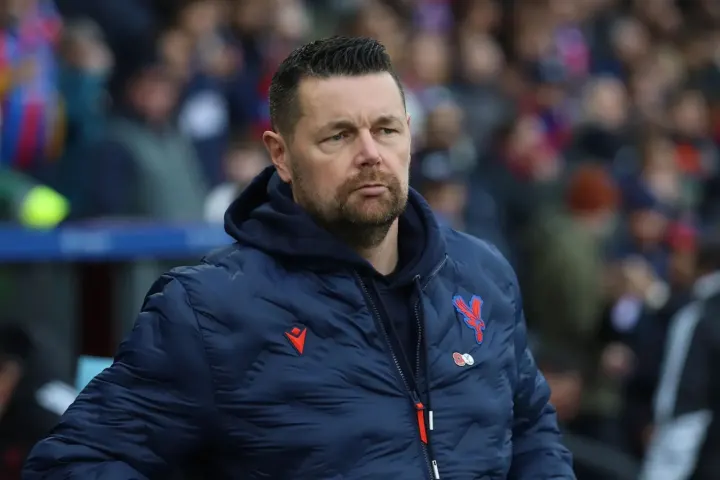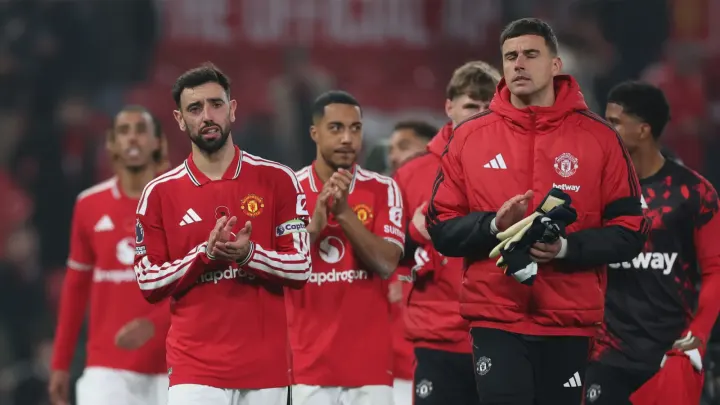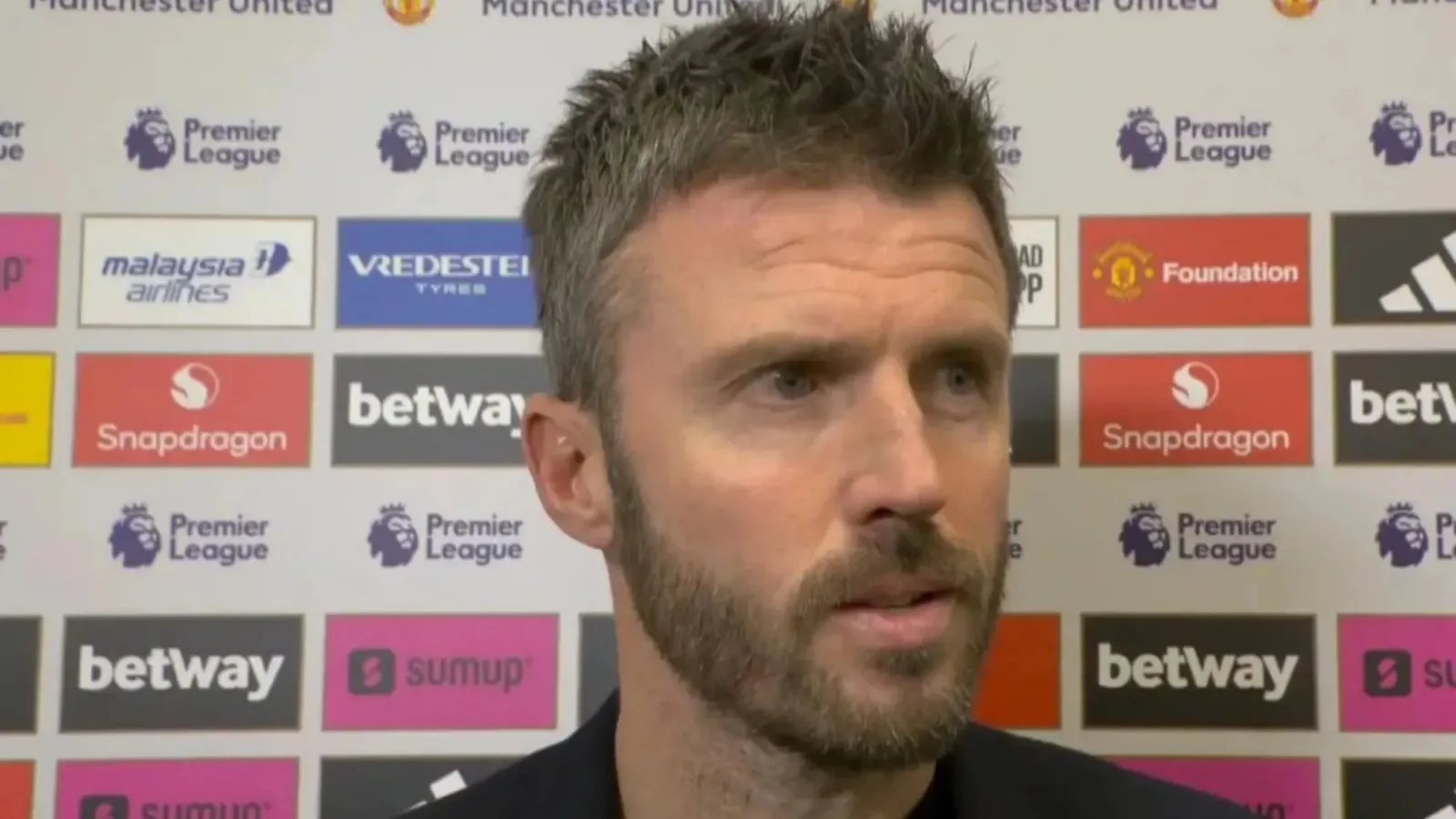
Manchester United manager Michael Carrick has confirmed he will not step down, even though his side have recorded only one win from ten Premier League matches and sit 18th on the table.
United managed to claw back a dramatic 4-4 draw against Aston Villa at Old Trafford, scoring in the 92nd and 96th minutes, but remain entrenched in the relegation zone. The club is now 18th, a position it has not occupied for more than a fortnight since the international break, marking the longest spell in the bottom three since October 1986.
What Has Led United to the Relegation Zone?
United's recent form has been a roller-coaster of disappointment and brief flashes of hope. A 3-0 defeat to Bournemouth two weeks ago sparked calls for Carrick's dismissal, yet the board retained him. Since that loss the team has suffered a 2-0 defeat at Chelsea, a 3-2 win over Roma in the Champions League group stage, and the 4-4 draw with Villa.
In total United have won three games from fifteen across all competitions this season. Their league record stands at one win, five draws and four losses from ten matches, leaving them with eight points and a goal difference of minus five.
Why Carrick Refused to Resign
During a post-match debrief, Carrick was approached by Sky Sports pitch-side reporter Patrick Davison about the possibility of walking away. Carrick replied firmly, "It's not going to happen, no." He later disputed whether he would hold discussions with chief executive Omar Berrada and director of football Jason Wilcox regarding his future.
At the subsequent press conference Carrick emphasized his belief that the club's direction must be clear: "I'm quite clear with what direction the club needs to go in, and it's got to win games." He added, "Yeah, 100%, yeah [I've seen enough to turn things around]. I think there's more than enough."
How United's Current Situation Compares Historically
The 18th-place standing is the deepest the Red Devils have been in the relegation zone since the 1985-86 season, when they spent a similar stretch at the bottom of the First Division. Historically, United have rarely faced relegation threats; the club's last brush with the drop came in the 1973-74 season, when they finished 18th but survived due to the league's structure at the time.
Since Sir Alex Ferguson's retirement in 2013, United have experienced several managerial changes, but none have endured a prolonged spell in the bottom three for as long as Carrick's current tenure.
What the International Break Means for United
The upcoming international break offers a rare pause for a club that has struggled to find consistency. United have three players likely to be called up for England, and several others for Portugal, Spain and other nations. Carrick acknowledged the break as a "convenient time" for regrouping, noting that United have won three of fifteen matches this term.
He outlined a tentative training schedule: "We'll have some training, we'll have one or two days off, not too much, but we'll train and we'll get ready for the next game." The break also provides an opportunity for injured players to recover and for the squad to focus on tactical adjustments without the pressure of weekly fixtures.
Upcoming Fixtures and What's at Stake
United's next Premier League test is away at Liverpool on 22 November. A loss could see the Red Devils slip to 19th, deepening the relegation threat. The following week they travel to Lisbon for a Champions League group match against Sporting on 25 November, a competition that offers both financial reward and a morale boost if United can progress.
Subsequent league fixtures include a home game against Brentford on 28 November, an away clash with Newcastle on 2 December, and a crucial home encounter with Everton on 8 December. Each match will be pivotal in the club's fight to escape the bottom three.
United's current points tally of eight places them five points behind the safety zone, with a goal difference of minus five. To climb out, they will need to secure wins while hoping rivals in the lower half drop points.
Impact on Fans, Players and the Club's Finances
Supporters have expressed frustration on social media, with many questioning the board's patience with Carrick. Ticket sales for upcoming matches have shown a slight dip, reflecting fan unease. From a financial perspective, prolonged relegation threatens broadcast revenue, which drops sharply for clubs finishing in the bottom three.
Players also feel the pressure. Midfielder Bruno Fernandes, who has been vocal about the need for more goals, said in training that "goals change games and you've got to deal with it, and it's part of something we have to improve on drastically." The squad's morale appears fragile, but Carrick believes there is "more than enough" quality to turn the tide.
What Comes Next for Carrick and United?
While Carrick has ruled out resignation, the board's patience is not unlimited. United's hierarchy will likely review the club's performance after the international break, especially following the Liverpool and Sporting fixtures. If United fail to secure points against Liverpool, pressure on Carrick could intensify, potentially leading to a board-level meeting with Berrada and Wilcox.
Fans and analysts will be watching closely for any shift in Carrick's tone during post-match briefings, as well as any changes in the club's transfer strategy during the winter window. The club has already signalled a willingness to invest in attacking talent, but budget constraints following a poor league start could limit options.
Practical Takeaways for United Supporters
- Expect a cautious approach from the board; Carrick is likely to remain in charge for at least the next two fixtures.
- Watch the Liverpool game on 22 November for a potential turning point in the relegation battle.
- International break training sessions will focus on defensive solidity and finishing drills.
- Financial implications of a relegation battle include reduced broadcast revenue and possible lower merchandise sales.
In summary, Michael Carrick's refusal to step down keeps United's managerial situation stable for now, but the club's position in the league remains precarious. The next few weeks will be decisive in determining whether United can climb out of the relegation zone or face a more dramatic overhaul.