Newcastle United Owners Begin Process to Sell 25 Per Cent Stake for £300 Million
Newcastle United majority owners, Saudi Arabia's Public Investment Fund, have started the formal process of selling a 25 per cent stake in the club to raise around £300million. The financial maneuver helps push ahead with massive stadium plans and infrastructure projects in the North East without reducing the fund's long-term commitment to the Premier League side.
The decision to bring in new investors arrives as club executives weigh options between redeveloping their historic home or constructing a brand new 65,000-seater venue. While the ownership group retains an 85 per cent majority share alongside the Reuben brothers holding the remaining 15 per cent, this new share issue dilutes existing holdings while injecting fresh capital directly into club accounts.
Why Newcastle United Are Selling a Quarter Share
The strategy behind issuing new shares involves securing external capital rather than relying on direct funding from the majority owners. New investors will receive up to a quarter shareholding in exchange for funds that go straight to the organization, ensuring that money bypasses the ownership group directly while expanding the financial capacity of the institution.
US bankers JP Morgan have been appointed as advisors to lead the process of finding this new investment. Although external funding is necessary for the upcoming multi-million-pound projects, the majority owners will retain overall control and keep their majority shareholding intact.
Bringing in external partners allows the club to maintain financial health while pursuing capital-intensive construction projects. Football clubs across Europe frequently use equity sales to finance infrastructure without falling foul of strict financial regulations. The advisory team from JP Morgan will canvas institutional investors and wealthy groups interested in owning a piece of a top-flight English football club.
Details of the £1.3 Billion Stadium Plans
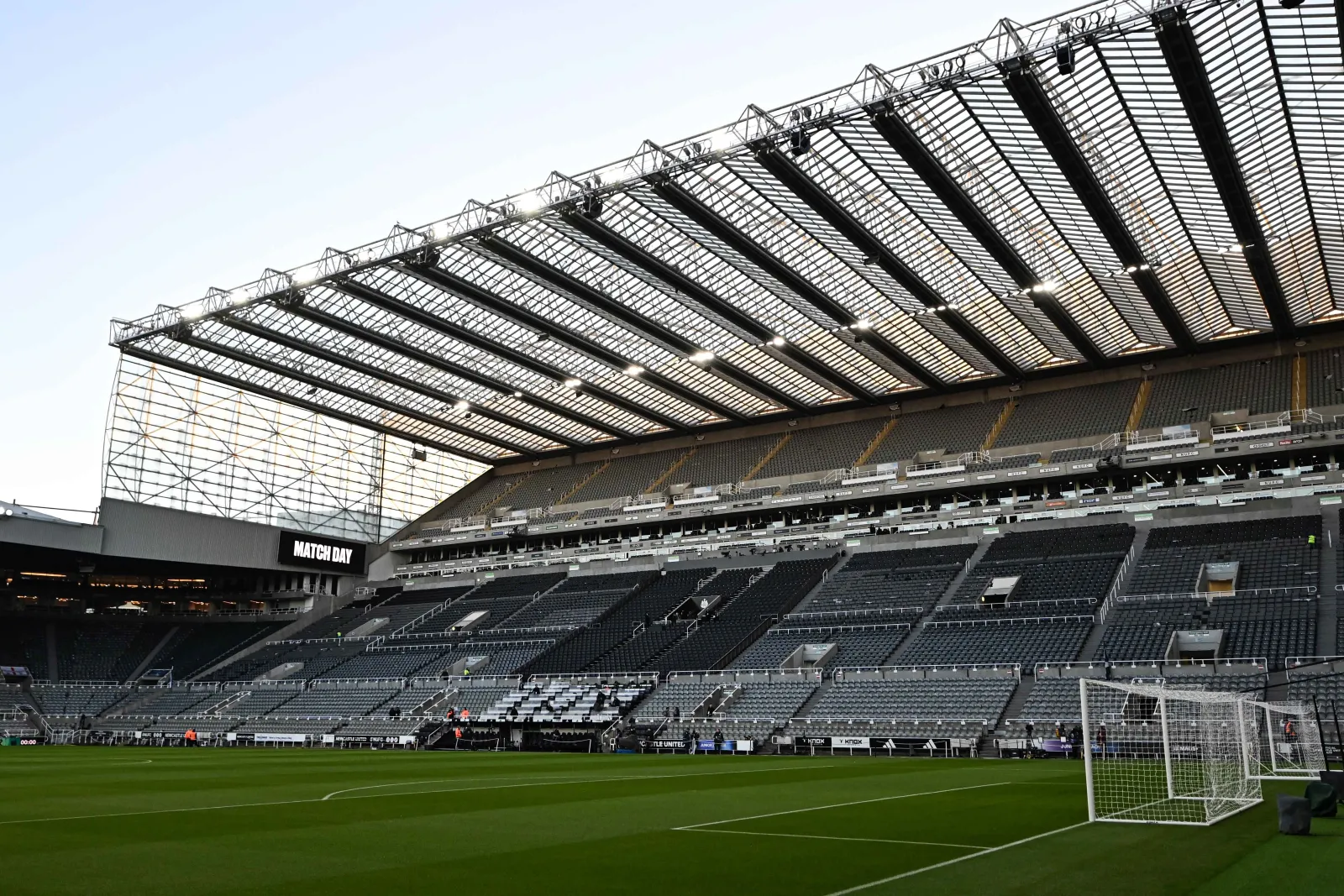
Club chiefs have met representatives from US bank Goldman Sachs to discuss funding options for a potential 65,000-seater home located in Leazes Park. The team has occupied St James' Park since 1892, but leadership maintains that a larger venue is necessary to unlock vital new revenue streams.
Chief executive David Hopkinson stated that the organization needs a new stadium for the financial benefits it will provide. Chief operating officer Brad Miller addressed a fan event at The Stack to explain that updates on the stadium remain delayed due to the sheer scale of the decision facing the club.
The projected cost for the grand stadium overhaul reaches £1.3 billion, representing a transformative moment for the region. Modern football economics dictate that matchday revenue from a larger seating capacity and corporate hospitality areas forms the backbone of sustained sporting success. The proposed site at Leazes Park sits adjacent to the historic grounds, ensuring that the team remains rooted in the heart of the city.
Background on the Ownership and Financial Strategy
The Public Investment Fund jointly purchased Newcastle United from Mike Ashley for £305m in 2021, establishing a long-term project on Tyneside. Internal sources emphasize that the ownership views the club as a long-term investment with the ultimate goal of pushing the valuation toward the £5bn mark.
The plan was never for the majority owners to fund a new stadium entirely on their own. Consequently, the massive financial undertaking requires external cash injections to turn the ambitious blueprint into reality.
Since the 2021 takeover, the club has experienced significant changes in operational management, squad quality, and commercial partnerships. The initial injection of capital focused heavily on upgrading existing facilities and bolstering the playing squad to secure Premier League survival and subsequent European qualification. Attention now turns to physical infrastructure as the cornerstone of long-term commercial growth.
Training Ground Upgrades and Future Infrastructure
Aside from discussions surrounding a new home ground, the club has already unveiled stunning plans for a new £190 million training facility. This project is slated for the 260-acre Woolsington Hall estate situated near Newcastle International Airport.
Club leadership targets a move into the new training facility by 2029. This development runs parallel to the ongoing discussions about the future of the matchday venue, demonstrating a wide-ranging modernization of the club's physical assets.
The new training headquarters will feature state-of-the-art medical recovery units, tactical analysis suites, and elite pitches designed to attract top international talent. Elite sports science relies heavily on dedicated facilities that match the standards set by rival clubs at the pinnacle of European football. Funding for this £190 million project forms part of the broader financial strategy currently unfolding under the guidance of club executives.
Commitment to the Magpies Amid Shifting Sports Portfolios
Despite recent adjustments in other sporting ventures, including pulling funding for LIV Golf, the ownership group maintains strong interest in the Premier League club. Observers note that the search for a minority investor serves to support major local projects rather than signal any withdrawal of interest.
The ongoing search for capital through JP Morgan highlights a structured approach to growth. By opening the door to minority stakeholders through newly issued shares, the club aims to secure its financial future while pursuing world-class infrastructure.
Stakeholders across the region continue to monitor these developments closely as the club shapes its trajectory for the next decade. The combination of equity sales, banking advisors, and multi-million-pound projects places the organization on a stable path toward modernization and sustained competitiveness.