PIA Dismisses Speculation Regarding UK and European Flight Schedules
Pakistan International Airlines has officially dismissed reports suggesting that the unavailability of aircraft leased from Norway's Norse Atlantic Airways could affect its flight operations to the UK and Europe. Airline sources stated that operations would remain unaffected, dismissing the reports of potential disruption as mere speculation.
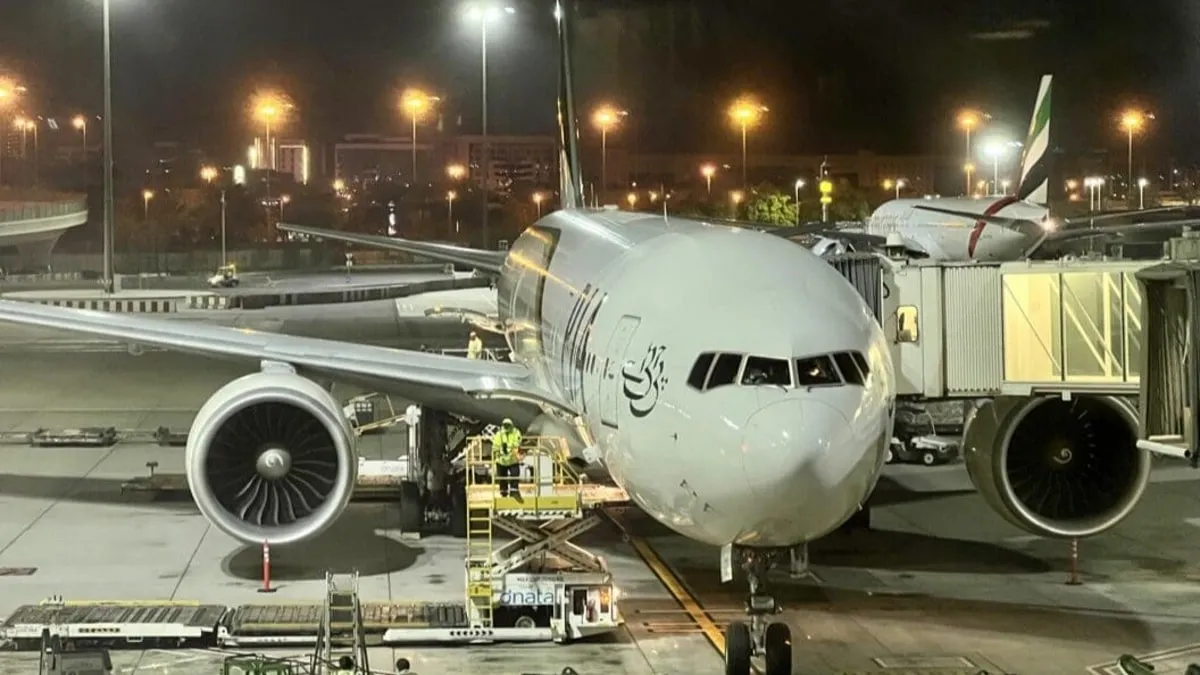
Recent media claims suggested that a Norse Atlantic aircraft leased by the national carrier was not available for an Islamabad to Manchester flight on Monday. According to those reports, this unavailability forced the airline to operate the service using its own Boeing 777 aircraft instead.
Further speculation indicated that the situation might lead to broader changes in flight schedules for destinations in the UK and Europe. The claims also asserted that if the leased aircraft remained unavailable, the airline might have to rely exclusively on its own Boeing 777 fleet for routes to the UK, Europe, and Canada, which allegedly could affect wider international operations.
Details of the Norse Atlantic Airways Lease Agreement
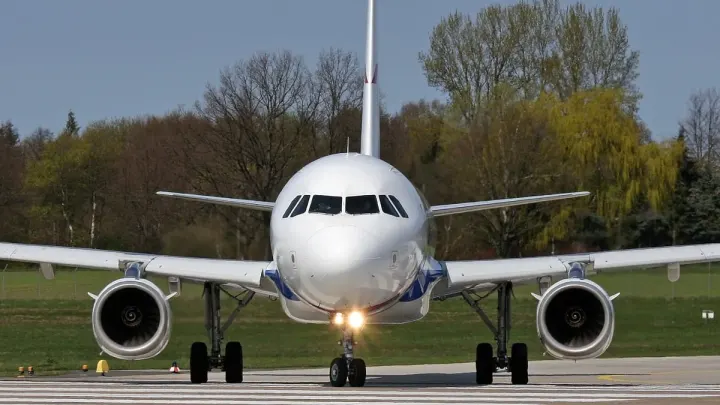
The arrangement between the Pakistani carrier and Norway-based Norse Atlantic Airways involves a wet lease agreement signed on October 9. Under the terms of this pact, the airline secured two Boeing 787-9 Dreamliner aircraft to support its long-haul network.
Following the finalization of the contract, the first of these leased aircraft arrived in Islamabad from London on November 1. This addition to the fleet aims to bolster capacity and expand passenger services on lucrative international routes.
A wet lease is a specialized leasing arrangement where the lessor provides the aircraft along with complete crew, maintenance, and insurance. This model is frequently used by airlines to rapidly scale capacity during peak travel periods or while awaiting regulatory approvals for specific routes.
Role of the Boeing 777 Fleet in Long-Haul Operations
The backbone of the national carrier's long-haul international network has historically relied on its Boeing 777 fleet. These widebody jets enable the airline to operate direct services to major global destinations without requiring intermediate refueling stops.
When specific leased equipment experiences temporary scheduling adjustments or maintenance checks, the airline uses its own Boeing 777 aircraft to maintain schedule integrity. Airline officials maintain that using existing widebody assets ensures continuity of service for passengers holding confirmed tickets.
Passengers traveling on long-haul routes frequently experience equipment swaps in the commercial aviation industry due to operational demands, maintenance requirements, or air traffic control constraints. The deployment of backup aircraft is a standard contingency procedure for major global carriers.
Regulatory Background and International Route Approvals
The operational framework for European and British destinations is subject to stringent regulatory oversight by international aviation authorities. The carrier has historically worked to meet all safety standards required for foreign air carrier authorizations in these jurisdictions.
Securing modern fuel-efficient aircraft such as the Boeing 787-9 Dreamliner forms part of a broader strategy to modernize fleet operations and improve passenger comfort. Fleet modernization is a critical component for airlines seeking to remain competitive in the global aviation marketplace.
Industry analysts note that introduction of new aircraft types requires extensive training for flight crews, ground personnel, and maintenance technicians. Operational integration of wet-leased aircraft typically involves close coordination between the lessor and lessee airlines to ensure seamless service delivery.
What Passengers Need to Know About Current Schedules
Travelers holding bookings for upcoming flights to the UK, Europe, and Canada are advised to check their flight status directly through official communication channels before heading to the airport. While the airline confirms that operations proceed as planned, verifying departure times helps avoid inconvenience caused by minor schedule adjustments.
Customer service desks remain operational to assist passengers with inquiries regarding baggage allowances, seat selections, and itinerary updates. Maintaining open communication channels helps mitigate travel anxiety during periods of heightened media scrutiny over airline operations.
The management continues to monitor fleet utilization closely to ensure all international commitments are met efficiently. Observers in the aviation sector will continue to watch how the integration of the remaining Norse Atlantic aircraft progresses in the coming weeks.