Preston supporters and team management expressed deep frustration after witnessing a seemingly legitimate goal struck off during a high-stakes Championship encounter. The LilyWhites hosted Norwich at their home ground in a match that ultimately ended in a 1-1 stalemate, but the final result was overshadowed by a bizarre officiating incident shortly after the interval. While the fixture featured late drama with goals from the penalty spot and the substitutes bench, the primary talking point remained the erased effort from Preston midfielder Alfie Devine.
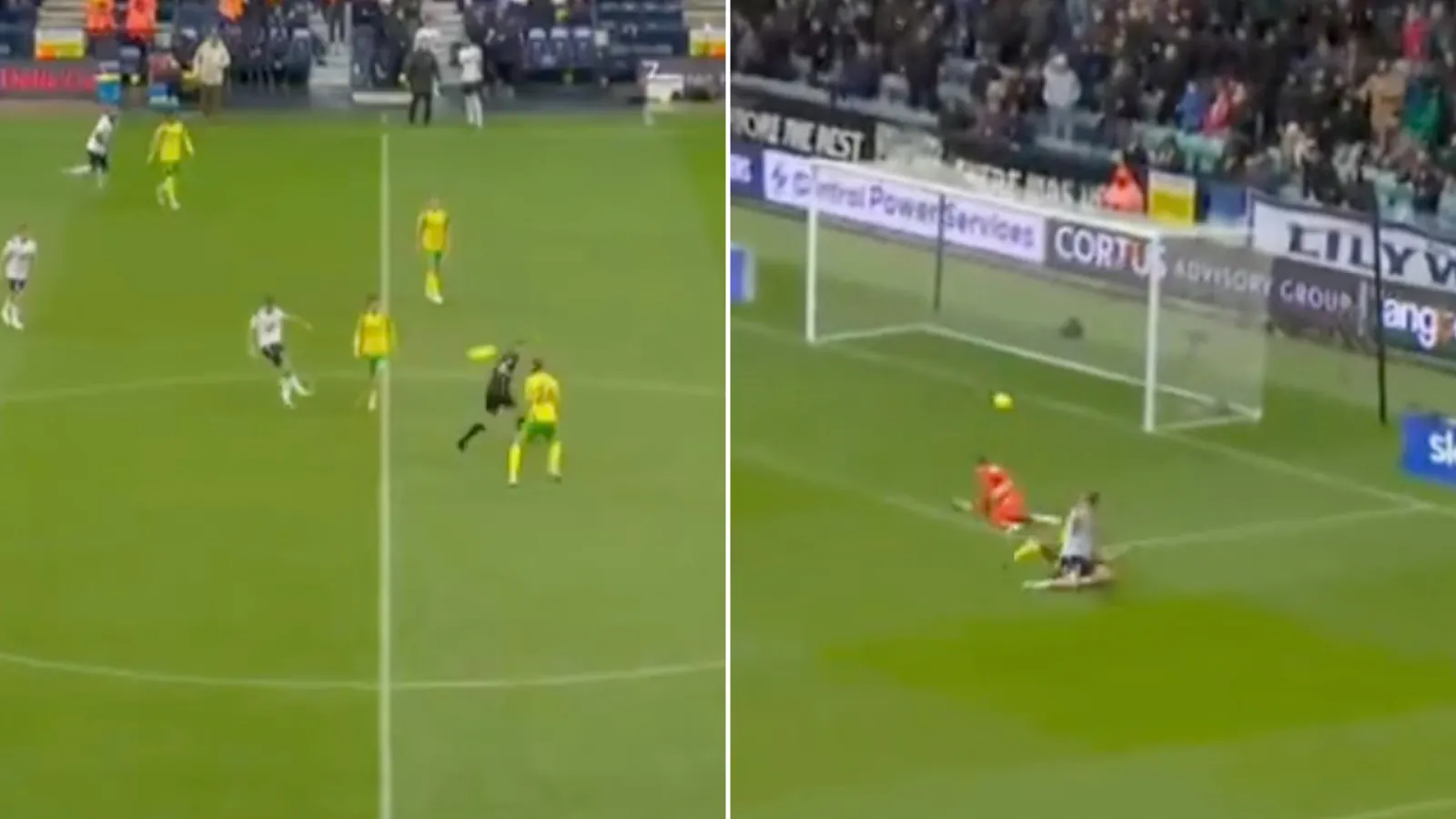
The controversy unfolded just after the hour mark when Preston launched a swift attack. Andrew Moran delivered a precise pass over the top of the Norwich defensive line, allowing Devine to spin neatly behind his marker. Devine showed great composure to control the ball and tuck it home past the goalkeeper, sparking celebrations in the stands. However, referee Tom Reeves quickly intervened, consulting with his officiating team before pulling the play back and nullifying the opener.
Preston thought they took the lead! 😬
— Sky Sports Football (@SkyFootball) November 28, 2026
Andrew Moran's ball hits the referee in the build-up and is ruled out. pic.twitter.com/4Cp6CnYGsj
Understanding the Referee Contact Rule in Football
The reasoning behind the disallowed goal lies in the specific regulations governing contact between the match official and the ball. According to the International Football Association Board rules, if the ball touches the referee and goes straight into the goal, changes possession, or starts a promising attack, play must be stopped. In such scenarios, the referee is required to restart play with a drop ball to the opposing team.
In this particular instance, television replays and official assessments confirmed that the ball brushed against the back of referee Tom Reeves as it travelled through the midfield. Although the contact appeared minimal and did not significantly alter the trajectory of the pass, the letter of the law mandated an intervention. The core of the grievance for the home side, however, stemmed from the timing and the perceived influence of opposing players on the official's final verdict.
Managerial Reaction and the Mental Decision Debate
Following the conclusion of the match, Preston manager Graham Alexander offered a candid assessment of the incident and the chaotic sequence that led to the referee changing his stance. Alexander acknowledged that the letter of the law technically supported the final ruling, but he strongly questioned the process by which the official arrived at his conclusion. The manager pointed out that the goal was initially allowed to stand before visiting players surrounded the referee and applied psychological pressure.
"We deservedly took the lead, just a shame we couldn't hold on. It was a really competitive game between two good teams," Alexander said. Discussing the controversial intervention, he added, "The fourth official told me Alfie's disallowed goal was a slight deflection on the referee's shoulder. The goal was given, then a couple of Norwich players got into his head and he changed his mind. Is it the right decision? Yes. But how has he come about it? I don't think he has come about it."
Fan Outrage Across Social Media Platforms
The supporters watching the game from the stands and online expressed far less patience with the technicalities of the rulebook. Social media platforms quickly filled with angry comments criticizing the match officials and the perceived inconsistency in applying the rules. Many fans focused on the delay between the contact occurring and the whistle being blown, arguing that the official allowed play to continue until the ball ended up in the back of the net.
One frustrated supporter wrote on social media, "EFL REFS BACK AT IT AGAIN! How has that affected play to disallow the goal? Didn't stop it straight away? Making it about themselves again, should've blown straight away. Absolutely mental decision." Another fan echoed those sentiments, stating, "That's BS, ref was quite happy to play on until they scored." Others questioned the memory of the official, with one asking, "Why did he take so long? Did he forget the rule?" Further criticism included accusations of poor officiating standards, with internet users demanding stricter accountability for refereeing delays.
How the Match Played Out After the Controversy
Despite the setback of losing the opening goal, Preston continued to push forward and eventually found a breakthrough later in the second half. Delano Burgzorg opened the scoring legitimately in the 74th minute by converting a penalty kick. The home side looked poised to secure all three points from the hard-fought fixture, but Norwich fought back in the closing stages of regular time.
Anis Ben Slimane, who had also entered the match as a substitute alongside other tactical changes, rescued a point for the visitors by equalizing in the 86th minute. The late strike ensured the points were shared, leaving Preston to dwell on what might have been if the earlier goal by Devine had survived the referee's review. The draw leaves both teams to reflect on missed opportunities as the competitive Championship season progresses through its demanding winter schedule.