Racing Delayed at Bangor-on-Dee Following Fence Incident
Racing was delayed at Bangor-on-Dee with the on-course ambulances needed after three horses came down at one fence during the afternoon fixture. The scheduled 1.35pm contest was pushed back and did not yet have a new start time, although jockeys were later seen returning to the parade ring as officials assessed the situation.
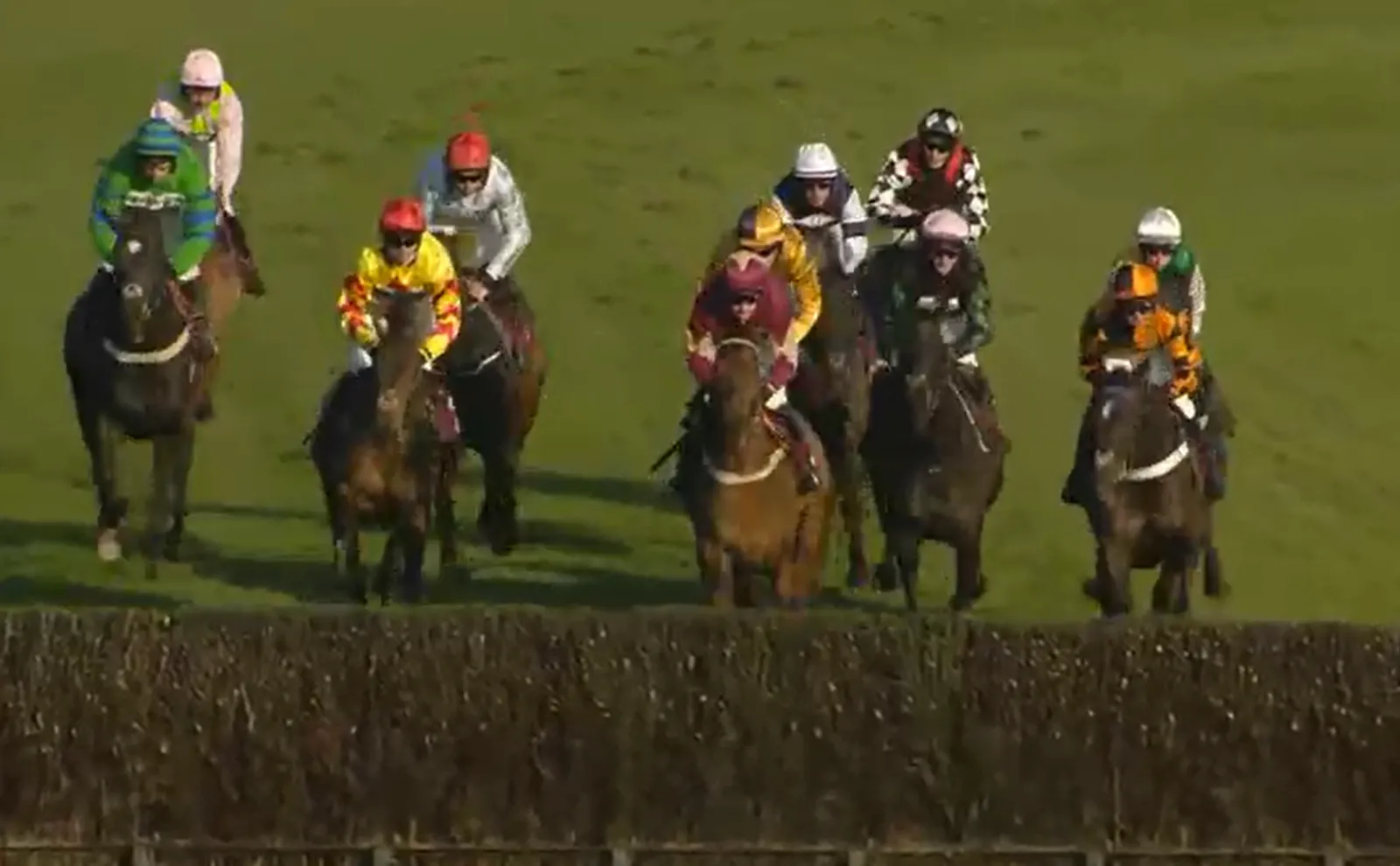
The mid-race incident happened when the 2-1 favourite Hard Dealt fell at the fourth fence from home. Following that initial fall, further chaos unfolded on the track as trailing runners attempted to navigate the obstacle and the fallen participants.
Jockey Charlie Deutsch Injured in 1.05pm Race
Jockey Charlie Deutsch is believed to have been injured after he was unseated in the 1.05pm race. He was aboard the Venetia Williams-trained Kingbel Du Lion, who was sent off at odds of 11-1.
Deutsch came off his horse travelling directly behind the initial faller. It appeared that the 125-1 outsider Lord Roco, who was brought down in the melee, ran over the top of him on the turf. Medical personnel rushed to the scene to attend to the fallen riders and animals.
It is believed, though has not been officially confirmed by medical staff at the course, that an ambulance may have been needed specifically for Deutsch. The presence of on-course medical vehicles on the track is standard protocol when participants sustain heavy falls, but their departure from the racing line naturally forces a halt to subsequent proceedings.
How Racecourse Safety and Medical Protocols Work
British horse racing operates under strict regulatory guidelines managed by the British Horseracing Authority to ensure the safety of both human and equine participants. Racecourses are legally and operationally required to maintain a specific level of medical staff, including doctors, paramedics, and fully equipped on-course ambulances, before any race can begin.
When an incident occurs that requires medical vehicles to enter the active racing surface to treat a fallen jockey or horse, the race must be neutralised or subsequent events delayed. This protocol prevents any risk of colliding with loose horses or obstructing medical personnel who are administering emergency trauma care on the track.
The delay to the 1.35pm contest at Bangor-on-Dee highlights the reliance meetings have on these immediate response vehicles. Because medical cover must remain present and ready for every race, a delay persists until ambulances are cleared, restocked if necessary, and returned to their designated observation points.
Understanding Bangor-on-Dee Racecourse
Bangor-on-Dee is a popular left-handed National Hunt track situated in Wrexham, Wales, known for hosting competitive jump racing meetings throughout the autumn, winter, and spring months. Unlike many other British venues, Bangor-on-Dee is an open course with no permanent grandstand buildings, giving it a distinct rural character that attracts dedicated racegoers.
The course features sharp bends and fair fences that test the agility and jumping ability of staying chasers and hurdlers alike. Incidents involving multiple fallers at a single fence, while relatively rare, can happen when runners bunch up approaching an obstacle, particularly on soft or heavy ground conditions where jumping accuracy becomes paramount.
Impact of Meeting Delays on Pundits and Racegoers
Delays of this nature disrupt the carefully managed schedule of a racecourse fixture, impacting television broadcasts, betting markets, and racegoers attending the venue in person. Broadcasters must fill airtime while officials await updates from the medical room regarding the condition of injured jockeys.
Punters holding bets on delayed races often face anxious waits while stewards and clerks of the course inspect the track and ensure welfare standards are fully met. Racecourse officials work closely with British Horseracing Authority stewards to determine when it is safe to resume the card.
What Happens Next Following the Bangor-on-Dee Incident
Course officials and medical teams will continue to monitor the recovery of those involved in the incident before full clearance is granted for subsequent fixtures at the track. Racegoers and industry followers await official bulletins regarding the exact extent of the injuries sustained by Charlie Deutsch and the conditions of the horses involved.
Welfare assessments for the horses are conducted by veterinary surgeons stationed at every British racecourse. The outcomes of these assessments are typically recorded and reviewed by regulatory bodies to ensure ongoing equine welfare standards are maintained across all racing venues.