Tottenham Supporter Flav Bateman Outsmarts Tim Sherwood in Premier League Draft Showdown
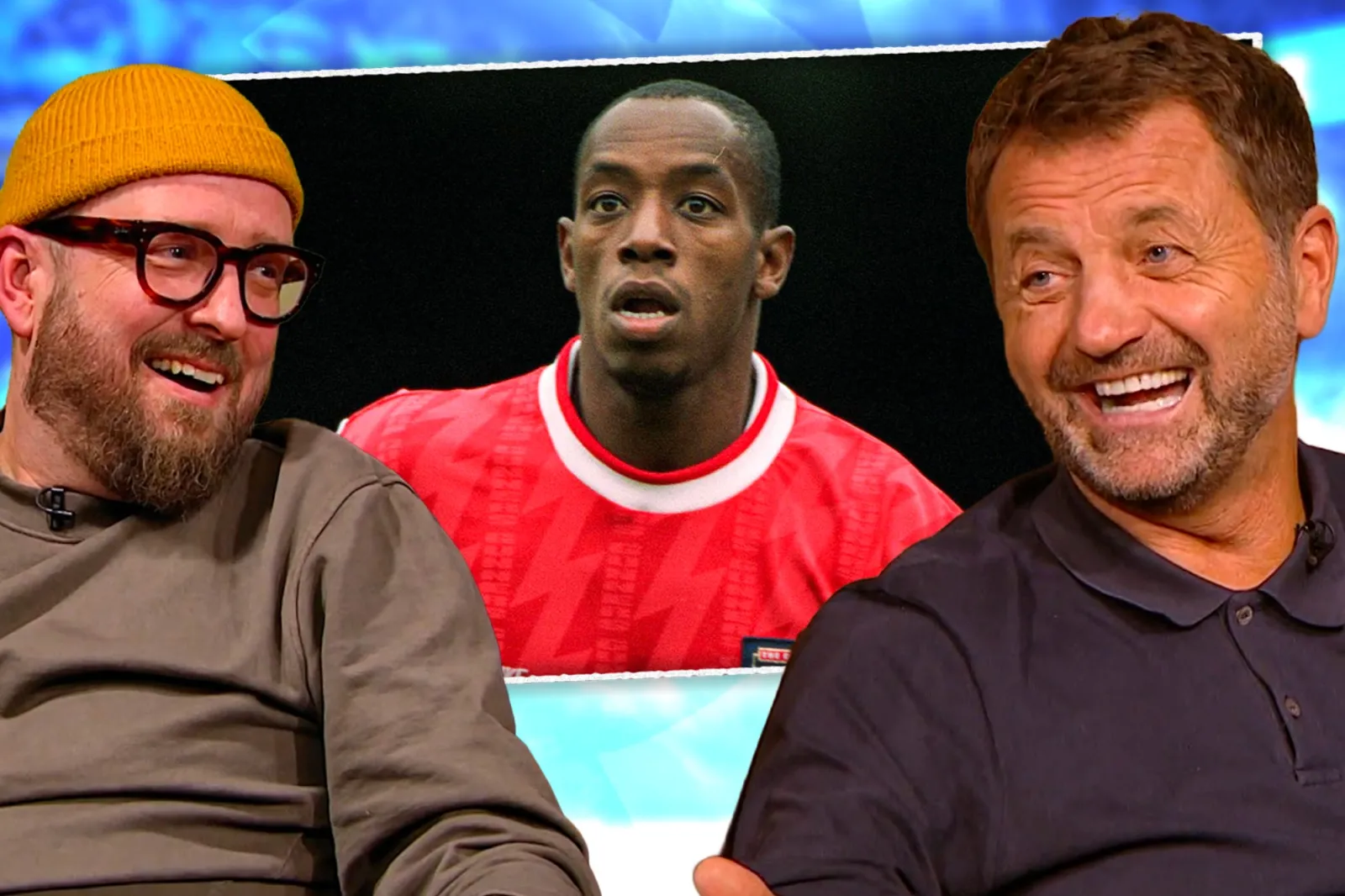
Football fan culture often involves passionate debates regarding the greatest players in history, but few supporters get the chance to test their knowledge against former professionals. Tottenham Hotspur supporter Flav Bateman recently achieved this feat by defeating former Spurs star and manager Tim Sherwood in a battle of football expertise. The clash took place on a popular digital series that challenges participants to construct the ultimate dream team using a unique drafting format. While professionals often rely on their direct playing experience, tactical understanding, and personal memories of past teammates, supporters can bring a deeply analytical fan perspective to the table.
The encounter unfolded on the recent edition of SunSport's Greatest of All Teams YouTube show, which is hosted by Stevo The Madman and Laura Kirk-Francis. The premise of the programme introduces a high-tech element to traditional sports debates by incorporating a supercomputer. This digital system randomly selects eleven distinct Premier League teams from different historical seasons, spanning the competition's timeline from its inception in 1992 up to the modern era. Competitors must then navigate these randomized selections to choose exactly one player from each assigned team, assembling a cohesive starting line-up using a formation of their own choosing.
How the Greatest of All Teams Supercomputer Simulation Works
Building a fantasy football squad usually involves picking the absolute best individuals regardless of era, but this format forces participants to adapt to specific historical constraints. Because the supercomputer pulls teams at random from various years, competitors must select players from title winners, mid-table sides, and occasionally relegated squads. This dynamic creates fascinating tactical puzzles, as participants balance star power with the necessity of filling positional requirements. A successful draft requires deep historical knowledge of English football, as picking a player from an obscure mid-nineties club might be necessary to secure a vital defensive position later in the exercise.
Once all participants finalize their selections and organize their chosen squads into formations, the simulation phase begins. The supercomputer simulates a full Premier League season for each team entered into the draft, generating results based on squad strength, tactical balance, and historical ratings. Points are then tallied and added to a live leaderboard to determine who built the strongest and most effective team. This simulation adds an element of unpredictability, as a squad packed with attacking talent might still falter if the defensive structure lacks balance or if key positions remain unfilled by quality personnel.
Flav Bateman Snipes Key Players from Tim Sherwood
During the draft process, tactical espionage and player sniping can ruin an opponent's carefully laid plans. Flav Bateman demonstrated this by outmaneuvering fifty-seven-year-old Premier League legend Tim Sherwood on two separate occasions during the episode. First, the Tottenham fan targeted Aston Villa legend Olof Mellberg from the selected 2006/07 team, snapping up the reliable defender before the former Blackburn Rovers great could secure him for his own backline. Flav acknowledged the tactical coup during the recording, telling the GOAT show, I have done you in there, before instructing the system to lock in his choice of Olof Mellberg.
Co-host Stevo The Madman immediately highlighted the impact of the move, exclaiming to the former professional that Flav had caught him out. Flav struck a second time by selecting right-back Neil Cox to clear his own defensive requirements. This strategic move left Sherwood in a difficult position, forcing the former midfielder to scramble for defenders from a relegated side to complete his formation. By anticipating his opponent's needs and securing crucial players early, the supporter demonstrated a sharp understanding of the drafting mechanics.
The Final Standings and Season Simulation Results
When the supercomputer finished simulating the full season matches, the final league table revealed that Flav Bateman had successfully beaten Tim Sherwood. Flav constructed a balanced four-four-two line-up that featured notable stars such as Dimitar Berbatov, Robbie Fowler, David Ginola, and Matt Le Tissier. This well-constructed side accumulated a total of seventy-two points, securing a strong third-place finish in the simulation standings. His tactical choices proved resilient over the simulated thirty-eight-game campaign, allowing him to outperform several other drafted teams.
Tim Sherwood also managed a respectable placement, guiding his squad to a fourth-place finish with a total of sixty-seven points. Observing the final standings, Stevo noted that both participants achieved Champions League qualification spots through their league positions, emphasizing that Flav had still managed to beat Tim in the direct head-to-head battle. Responding to his victory over the former professional, Flav credited his deep historical knowledge of the sport, stating that it helps being his age and remembering some of these players who shaped the English top flight.
Background of Premier League Eras and Fan Expertise
The longevity and vast history of the Premier League provide a massive pool of talent for exercises like this digital drafting challenge. Since the competition began in August 1992, thousands of footballers have graced English pitches, creating distinct eras of tactical evolution. The early years featured physical, direct play and legendary figures like Alan Shearer and Eric Cantona, while subsequent decades introduced tactical shifts brought by foreign managers and increased financial power. For supporters who grew up watching these matches week in and week out, remembering squad players from specific campaigns becomes a badge of honor.
Shows that blend nostalgic football trivia with modern simulation technology resonate strongly with supporters across the globe. They bridge the gap between casual fan debates and analytical sports science, allowing fans to test hypothetical scenarios against people who played at the highest level. As digital content continues to evolve, these interactive formats offer fresh ways to engage with football history, celebrating both the iconic superstars and the reliable squad members who made the Premier League famous.
Understanding the Mechanics of Football Simulation Shows
Digital football formats have transformed how supporters interact with sports entertainment by merging statistical modeling with nostalgic entertainment. These programs rely on complex algorithms that evaluate historical player ratings, team chemistry, and positional coherence to project match outcomes over a simulated season. Participants cannot merely select the most famous names in football history, because the randomized generation of historical teams creates severe resource constraints. Competitors must weigh the value of securing a world-class striker against the risk of leaving defensive positions vacant until undesirable players remain on the board.
The presence of former professional athletes adds a layer of competitive intensity and authenticity to these web series. Former players bring unique insights derived from dressing room experiences and direct matches against opponents, yet they occasionally overlook unglamorous squad members from less prominent clubs. Analytical fans who consume football data and historic match broadcasts regularly uncover hidden gems that professionals might forget over time. This dynamic creates an entertaining clash of perspectives where deep fandom competes directly with elite professional experience.
The Evolution of Fan Culture and Digital Sports Media
Modern sports media has moved far beyond traditional television panel discussions, embracing interactive formats that invite audience participation and digital creator involvement. YouTube series and streaming platforms allow creators to experiment with game shows, fantasy sports leagues, and high-tech simulations that appeal to younger demographics. Supporters no longer consume sports content passively, but instead engage with digital communities that celebrate deep tactical trivia, nostalgic kit designs, and historical player archives. This cultural shift elevates knowledgeable fans to positions where they can compete on equal footing with former international stars and Premier League managers.
The success of challenges involving random historical drafts highlights the enduring appeal of the English top flight across multiple generations. Viewers relish seeing players from distinct eras placed into modern tactical frameworks, sparking endless debates online about how historical dream teams would perform on the pitch. As creators continue developing innovative formats, the boundary between professional athletes and dedicated supporters will continue to blur through shared passion for the game.