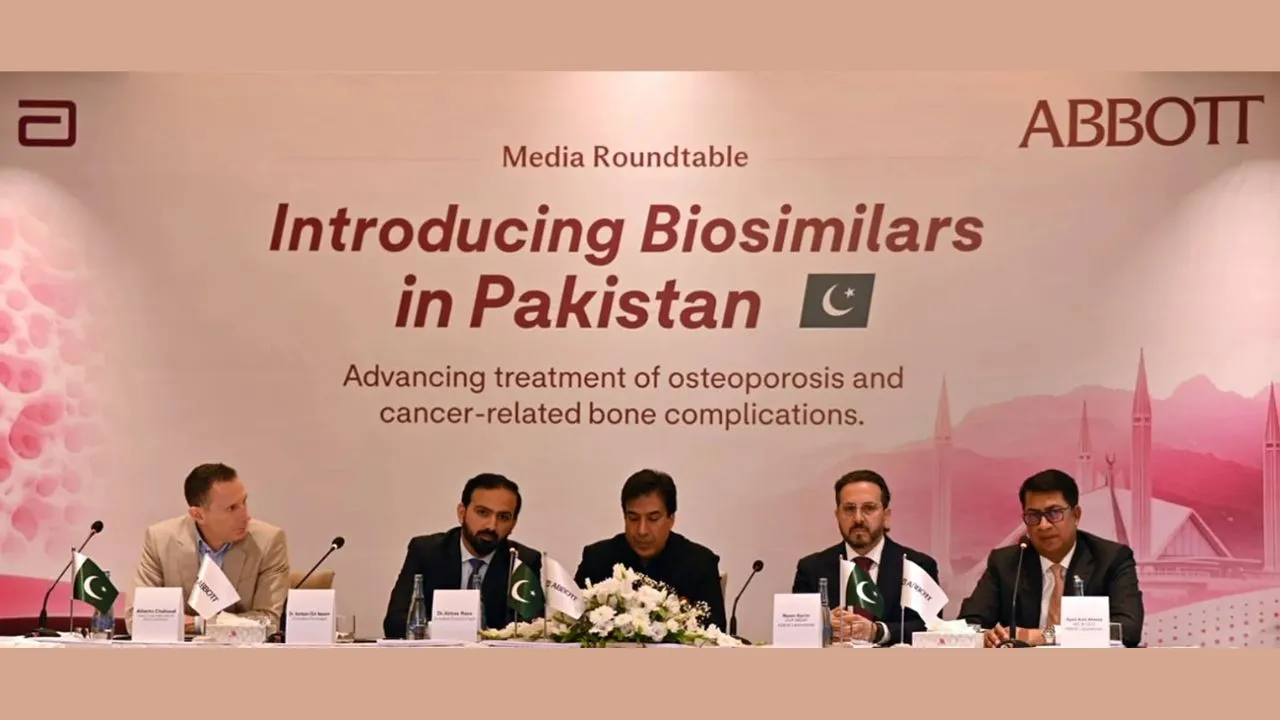
Abbott has received product registration from the Drug Regulatory Authority of Pakistan for 60 mg and 120 mg denosumab biosimilars in Pakistan, marking an expansion of access to advanced therapies for osteoporosis and cancer induced skeletal-related events. Marketed by Abbott, these denosumab biosimilars would make an advanced biologic treatment more affordable and accessible for millions of Pakistanis affected by these conditions. This regulatory approval brings a new therapeutic option to the local pharmaceutical market, addressing a major category of chronic health concerns that disproportionately affect older adults and cancer patients across the country.
The introduction of these biosimilars provides a practical pathway for patients who previously faced financial or logistical barriers in obtaining biologic treatments. Biologic therapies are complex medical products derived from living organisms, and while they offer targeted treatment for severe diseases, their high cost often limits patient reach. By introducing biosimilars, which are highly similar versions of approved reference biologic products, healthcare providers can offer equivalent clinical benefits at a more sustainable cost structure for the local population.
Understanding the Burden of Osteoporosis in Pakistan
According to the Journal of the Pakistan Medical Association, it is estimated that nearly 10 million people in Pakistan have osteoporosis, with women accounting for approximately 7.2 million cases. As Pakistan's population ages, the number of people at risk of osteoporosis and fragility fractures is expected to increase substantially. This silent condition weakens bones over time, making them fragile and much more likely to break from minor falls or even simple daily movements like bending over or coughing.
A study conducted in Islamabad and Rawalpindi reported osteoporosis in 56% of postmenopausal women assessed using dual-energy X-ray absorptiometry, a scan used to measure bone density and detect osteoporosis, highlighting the growing burden of the disease. Fragility fractures, especially hip and vertebral fractures, contribute significantly to disability, healthcare costs, loss of independence, and mortality in older adults. When an elderly person suffers a hip fracture, the resulting immobility can trigger a cascade of severe health complications, placing a heavy emotional and financial strain on families and the broader medical system.
What Are Denosumab Biosimilars and How Do They Work?
Osteoporosis is also one of the leading causes of mortality among the elderly and particularly affects postmenopausal women. A Phase III SIMBA study published in Pharmaceutics confirmed that the biosimilar MB09 marketed by Abbott in Pakistan demonstrated clinical similarity to the reference biologic, with comparable efficacy and safety, offering equivalent protection against bone mass loss in postmenopausal women. Denosumab works by targeting a specific protein in the body that signals bone-breaking cells to destroy bone tissue, effectively slowing down bone loss and preserving bone mineral density.
For cancer patients, the 120 mg version of denosumab serves a different but equally critical function. Cancer that spreads to the bones can cause severe complications, including fractures, spinal cord compression, and the need for radiation or surgery, collectively known as skeletal-related events. Managing these complications is vital for maintaining the comfort and dignity of cancer patients undergoing rigorous oncological treatments.
Corporate Strategy and Access to Oncology Medications
Abbott will provide denosumab as part of its broader strategy to expand access to high-quality medicines across key therapeutic areas including oncology, immunology and women's health through relevant partnerships with biotechnology companies. In Pakistan, this strategy includes the introduction of biosimilars in oncology, an area with substantial unmet healthcare needs. Given the high burden of cancer in the country, these medicines, many of which are recognized as first-line therapies for multiple cancer types, are expected to help improve patient access to high-quality treatment.
Medical professionals have voiced support for the arrival of these new pharmaceutical options. Maintaining bone health is essential to preserving independence and quality of life, according to Professor Syed Abbas Raza, Endocrinologist and Past President of International Society of Endocrinology. He noted that the introduction of quality therapies gives more treatment options to those who need them most.
History and Future Outlook for Healthcare in Pakistan
With nearly 80 years of presence in Pakistan and more than 135 years of history worldwide, Abbott continues to bring trusted medicines and healthcare solutions to people across the country. The introduction of these new denosumab options aims to expand access to quality treatments and reinforces Abbott's efforts in combating chronic diseases in the country. Patients and physicians will now look toward the commercial rollout of the 60 mg and 120 mg formulations across pharmacies and hospitals nationwide.
As chronic non-communicable diseases continue to rise in prevalence, the availability of locally registered, clinically tested biosimilars represents a notable development for regional medicine supply chains. Healthcare administrators will monitor the adoption rates of these therapies to measure their practical effect on reducing fracture rates and improving the management of oncology patients suffering from bone metastases.