Punjab Extends Province-Wide Ban on Outdoor Drone Flights for 30 Days
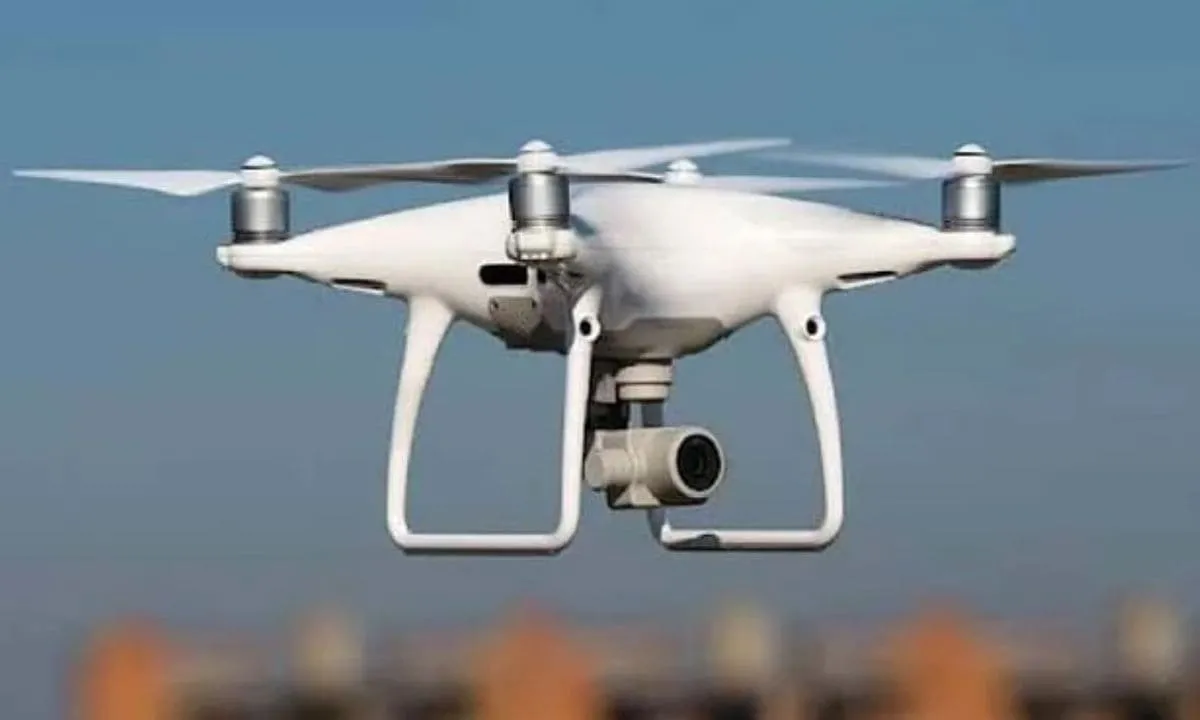
The Punjab government has extended its ban on outdoor drone flights across the province for another 30 days under Section 144, citing security concerns and public safety. This directive applies to all open-air locations throughout the region, halting recreational, commercial, and unauthorized aerial photography operations. Authorities implemented this measure to safeguard citizens and maintain order in public spaces.
According to a notification issued by the Punjab Home Department, limited use of small drones will be permitted inside wedding halls and marquees for event coverage. However, event organizers will be responsible for ensuring their safe operation. Intelligence and law enforcement agencies have been exempted from the restrictions.
Understanding Section 144 and Security Measures in Punjab
Section 144 of the Code of Criminal Procedure grants district administrations the authority to issue urgent orders in cases of nuisance or apprehended danger. Governments frequently invoke this legal provision to prohibit public gatherings, weapon carrying, or the operation of unauthorized unmanned aerial vehicles. The extension reflects ongoing threat assessments conducted by provincial security apparatuses.
Unmanned aerial vehicles have become common tools for both commercial and recreational use, but their unregulated presence creates significant security challenges. Law enforcement bodies often express concern over potential surveillance risks and the misuse of flying devices by malicious actors. By restricting outdoor flights, the provincial administration seeks to mitigate these vulnerabilities.
Exceptions for Wedding Halls and Marquees
While the outdoor ban remains strict, the government has provided specific allowances for indoor celebrations. Event organizers operating within enclosed spaces such as wedding halls and marquees may use small drones for event coverage. This carve-out accommodates the popular industry of videography for private functions without compromising broad security protocols.
Event organizers bear full legal and operational responsibility for any equipment used during these gatherings. They must ensure that operators maintain control within the physical boundaries of the venue. Failure to manage these devices safely could lead to liability under the active administrative orders.
Exemptions for Law Enforcement and Intelligence Agencies
State security operations require specialized tools, which is why intelligence and law enforcement agencies are explicitly exempt from the drone restrictions. These state bodies use aerial devices for surveillance, counter-terrorism, and tactical planning. The exemption ensures that official security protocols proceed without administrative hindrance.
Ordinary citizens and private commercial entities cannot claim this exemption. Any unauthorized flight conducted outside of permitted venues or approved sectors constitutes a violation of the Section 144 order. Police forces retain the authority to intercept and penalize operators who breach these rules.
Safe Drone Usage Committees for Agriculture and Research
The department has also established district-level Safe Drone Usage Committees to regulate drone operations for agricultural, irrigation, and research activities. Individuals and organizations seeking to use drones for these purposes must obtain prior written permission from the relevant committees. These bodies evaluate applications to ensure that commercial and scientific flights do not pose security risks.
Agriculture and irrigation sectors increasingly rely on aerial technology for crop monitoring, pesticide spraying, and land mapping. Academic and scientific institutions also deploy these devices for environmental studies. The committee structure provides a legal pathway for legitimate users to operate equipment under official supervision.
Enforcement Instructions Issued by the Punjab Home Secretary
The Home Department said the restrictions aim to maintain law and order and protect public safety across the province. The Punjab Home Secretary has directed district administrations and police to ensure strict implementation of the ban. Field officers must monitor public spaces and take immediate action against violators.
District administrations work closely with local police stations to communicate the rules to the public and commercial operators. Checkpoints and patrols keep watch for unauthorized aerial activity. Citizens can report suspicious flights to local authorities to assist with enforcement efforts during this thirty-day period.