Andy Burnham Seeks EU Reset Amid Criticism Over Concessions
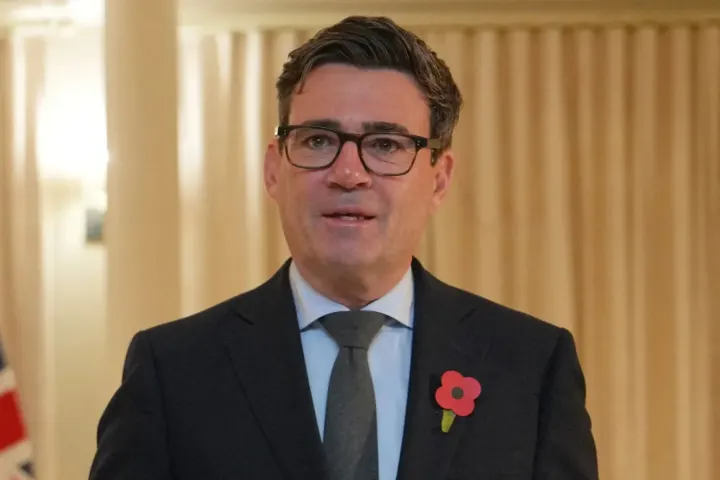
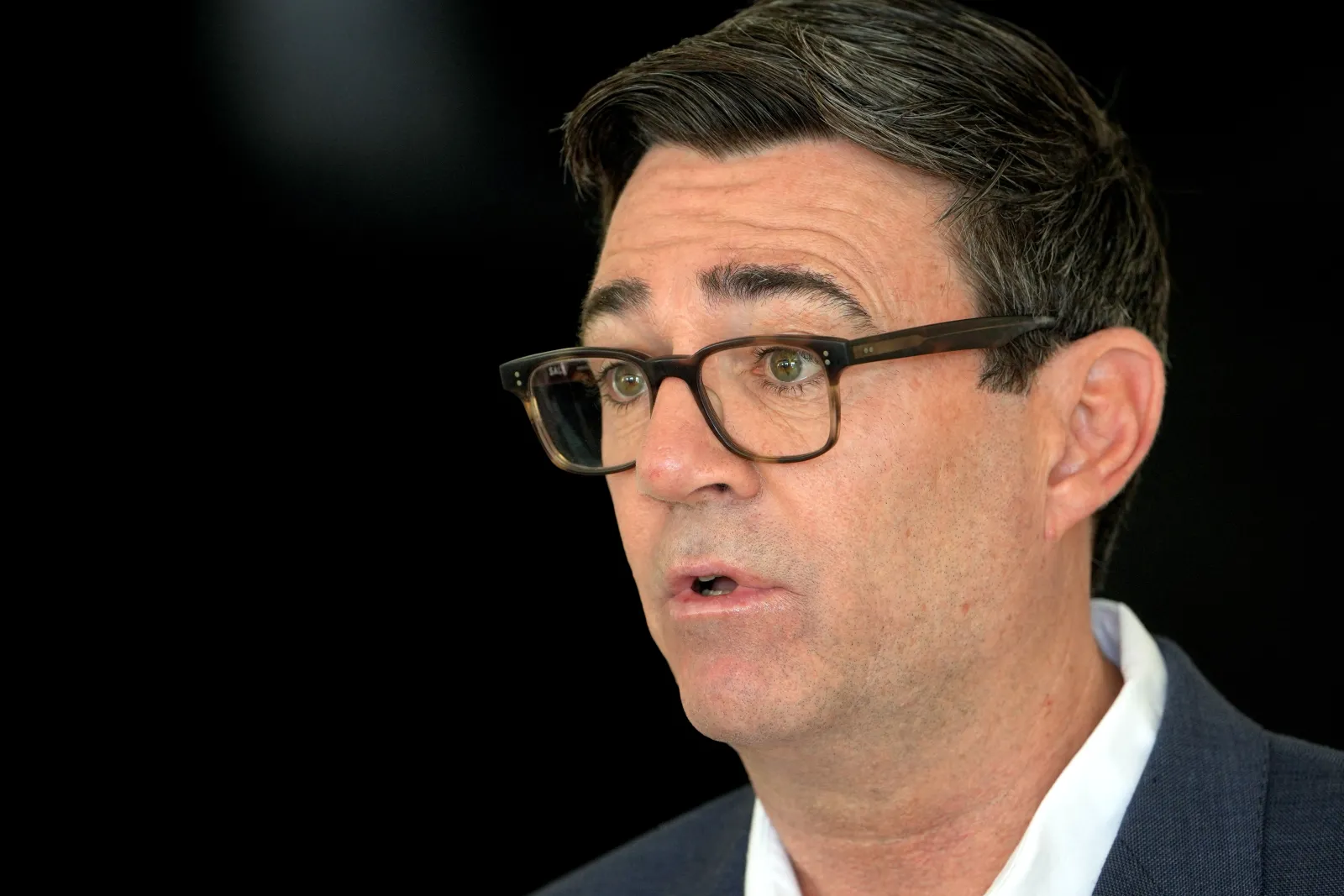
Prime Minister Andy Burnham is pursuing a diplomatic reset with the European Union, but critics argue his administration is willing to accept high costs and demeaning terms to achieve it. Observers note that the government appears ready to meet numerous demands from Brussels in exchange for modest gains, such as the relaxation of specific food export checks. This approach has sparked intense debate regarding Britain's negotiating stance and the long-term implications for taxpayers and public policy.
The unfolding situation highlights deep political divisions over how the United Kingdom should interact with its European neighbors following its departure from the bloc. While proponents of closer ties argue that smoother trade channels are essential for economic stability, detractors claim the price being paid compromises national interests. The debate touches on significant financial commitments, regulatory alignment, and domestic security concerns.
Financial Commitments and Infrastructure Demands
A central point of contention involves the financial obligations the United Kingdom may incur as part of any renewed agreement with Brussels. Critics point out that British taxpayers could find themselves funding infrastructure projects and green energy initiatives in poorer European Union nations. These potential expenditures come at a time when domestic public services face severe financial constraints and citizens grapple with high tax burdens.
Furthermore, discussions have touched upon potential subsidies for university tuition fees. Reports indicate the Prime Minister may face pressure to allocate £450million to subsidise tuition fees at United Kingdom universities for European students. Opponents argue these funds should be directed toward domestic priorities rather than supporting students from countries outside the domestic tax base.
Trade Regulations and Economic Pressures
The debate over the European Union reset is closely tied to the broader economic climate in the United Kingdom. Critics express concern that aligning with the bloc's trade regulations could impose additional burdens on British businesses without delivering proportional benefits. These worries coincide with widespread frustration over recent fiscal policies and a perceived lack of clear economic direction from the administration.
Business leaders have voiced dissatisfaction with recent government announcements. Stuart Machin, the head of Marks and Spencer, dismissed the recent Budget as a whole lot of nothing during public remarks. Observers argue that the administration must address pressing domestic issues, such as flatlining economic growth and high debt levels, rather than focusing primarily on international negotiations.
Controversy Over Foreign Criminal Deportation Plans
Security concerns have also entered the discussion surrounding the proposed diplomatic reset. Opponents claim that European officials are pressing the Prime Minister to alter plans regarding the immediate deportation of foreign criminals back to Europe. Critics warn that such a shift could result in individuals with serious convictions remaining in British prisons or being released into local communities.
The prospect of foreign offenders staying in the country has generated significant public concern. Lawmakers from opposition parties argue that compromising on security matters to secure trade concessions is an unacceptable trade-off. The government has faced demands to clarify its position and guarantee that public safety will not be secondary to diplomatic agreements.
Domestic Governance and the Search for a Ten-Year Blueprint
Beyond foreign policy, the administration faces internal pressure regarding its domestic agenda. Upon taking office, Prime Minister Andy Burnham declared he had a plan to reinvigorate the nation, but critics argue tangible results remain absent after four months in power. Anticipation had surrounded a promised ten-year blueprint for governance, which was intended to outline major policy initiatives.
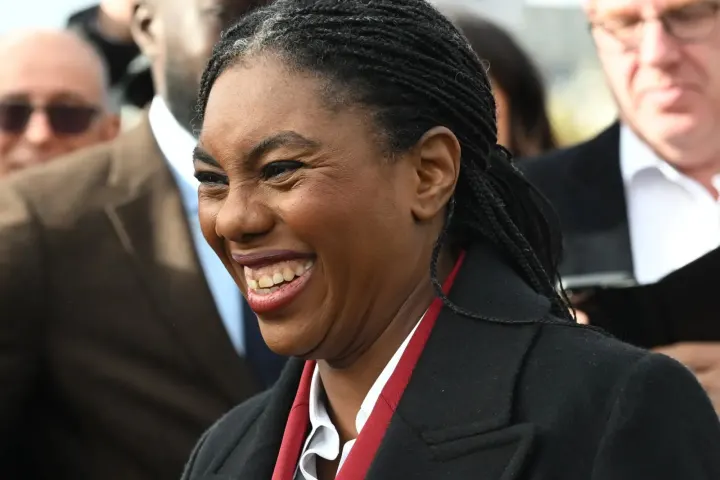
Reports from political publications indicate that the long-term strategy has been scaled back into a pre-Christmas speech and further consultations. Opposition figures, including Conservative leader Kemi Badenoch, contend that the country faces rising welfare bills, high taxes, and mounting debt without a coherent strategy from the leadership. As the administration continues to navigate these domestic and international challenges, pressure is mounting to deliver concrete solutions for the British public.