How Prime Minister Andy Burnham Policy Retreats Cost Taxpayers Billions
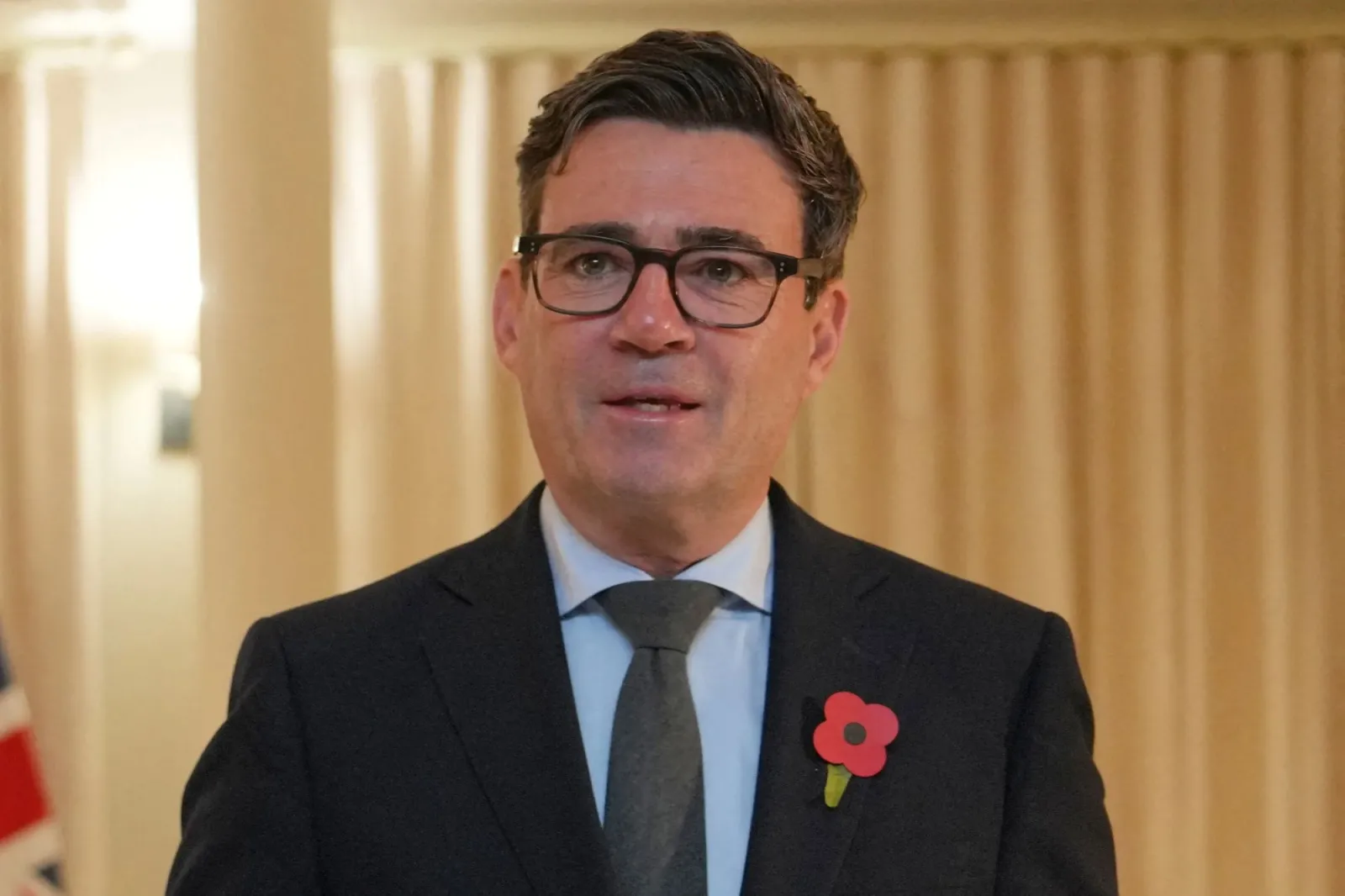
Citizens across the country are facing a mounting financial burden following a series of significant policy reverses from the government. Prime Minister Andy Burnham has overseen a sequence of recent climbdowns that carry massive price tags, adding further strain to a surging national debt pile. Economists have described the fiscal trajectory as catastrophic for household living standards and public finances alike. The decisions touch upon critical areas including migration rules, social security eligibility, European Union relations, and international funding commitments.
Financial analysts and opposition figures argue that the public is being forced to pick up the tab for political compromises. Critics point out that these shifts come at a time when domestic services and military budgets face severe constraints. The unfolding situation highlights the complex trade-offs facing the administration as it attempts to balance international diplomacy with domestic economic pressures. Understanding the true scope of these financial commitments requires examining each policy area individually.
Migration Reform U-Turns and the £10 Billion Welfare Impact
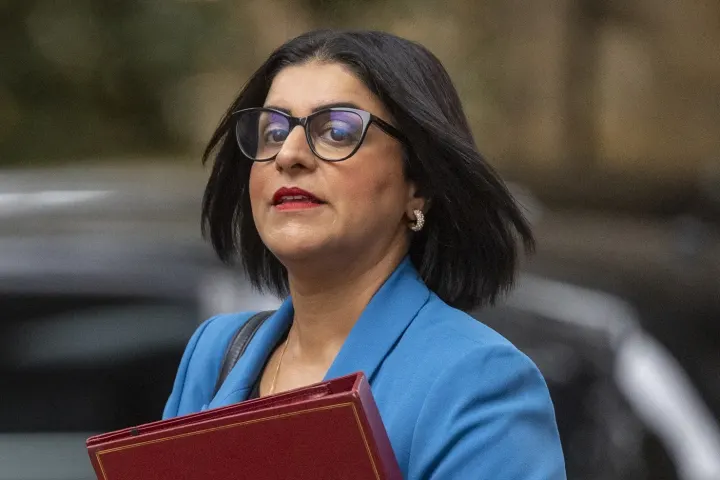
The most immediate financial shock stems from a major reversal on migration reforms overseen by Home Secretary Shabana Mahmood. The government opted to spare hundreds of thousands of care workers from tougher curbs that had previously been proposed. Officials admitted that this exemption would increase the welfare bill by making these workers eligible for benefits much quicker than initially planned. Original proposals would have forced lower-skilled migrants to wait up to 15 years before securing settlement rights, but the threshold was adjusted.
Instead of enforcing a ten-year or fifteen-year wait across the board, nearly 300,000 foreign care workers and their families will still qualify for permanent settlement after five years. Furthermore, plans to restrict welfare strictly to British citizens were dropped, allowing immigrants to access funds after gaining residency. Departmental warnings previously indicated that care workers and their adult dependents expected to settle by 2030 could cost taxpayers a staggering £10 billion over their lifetimes.
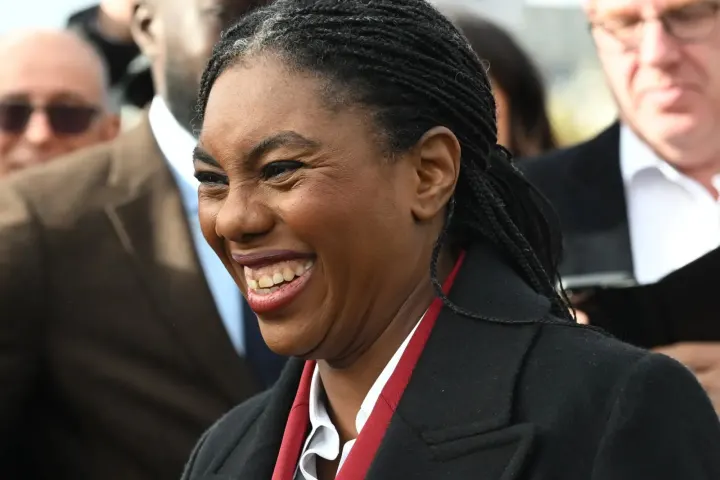
Shadow Home Secretary Chris Philp criticised the decision, stating that hard-working individuals toil all day to make ends meet while government policies fund migrant benefits. Conservative leader Kemi Badenoch similarly argued that the nation cannot afford the cost of these retreats. She accused the administration of feeding a welfare addiction while businesses face heavy taxation and the armed forces lack necessary funding.
European Union Relations and the Cost of Closer Ties
Beyond domestic welfare adjustments, the administration risks landing the country with another massive financial obligation in its pursuit of closer ties with the European Union. Prime Minister Andy Burnham hopes to use an upcoming summit on November 20 as a launchpad to forge deeper connections with the bloc. However, reports indicate this diplomatic push involves caving to demands from Brussels to subsidise European Union students at British universities. Slashing tuition fees for students from the continent could cost taxpayers £450 million a year.
The Prime Minister has previously discussed a potential return to freedom of movement and even opened the door to rejoining the bloc completely through a fresh referendum. Concurrently, Brussels is demanding that the government scrap plans to deport European Union criminals as soon as they receive jail sentences in the UK. Thousands of citizens from the continent currently reside behind bars in Britain at a rough cost of around £60,000 each per year. Downing Street has declined to deny that officials might agree to these demands, maintaining that the matter remains open for negotiation.
International Funding Commitments Amid Caribbean Projects
Financial debates have also intensified around foreign aid and historical reparations following a recent funding announcement for Caribbean projects. The Prime Minister announced that £40 million would cover infrastructure improvements over the next three years, coinciding with discussions around a formal apology for Britain's role in the slave trade. This allocation forms part of a broader commitment of £350 million directed toward major projects in the region over a ten-year period. Funds are designated for climate-resilient economic infrastructure in countries such as Jamaica, Guyana, Belize, and Grenada.
Reform UK Member of Parliament Suella Braverman condemned the spending as a betrayal of the British public. She argued that the money should instead support domestic priorities such as unemployed young people, the armed forces, and military veterans. The debate over international allocations highlights ongoing tensions regarding how public funds should be distributed between overseas commitments and domestic support systems.
The Broader Economic Pressure on National Debt and Living Standards
These policy costs arrive against a backdrop of spiralling national debt and mounting interest payments that severely constrain public spending. Ruth Curtice, head of the Resolution Foundation think-tank, warned MPs that the nation faces a really catastrophic squeeze on living standards driven by debt servicing costs. Taxpayers are currently forced to shoulder almost all of the burden of servicing the country's £3 trillion debt pile. The annual interest bill is projected to hit a staggering £155 billion by the 2027-28 financial year, eclipsing the entire education budget.
Ms Curtice explained that soaring debt costs have made the country significantly poorer. She noted that the central choice facing the government involves deciding whether public services or individual households absorb the financial impact. The grim living-standards forecasts observed through the decade stem from choices that ask households to bear nearly the entire burden of these macroeconomic pressures.