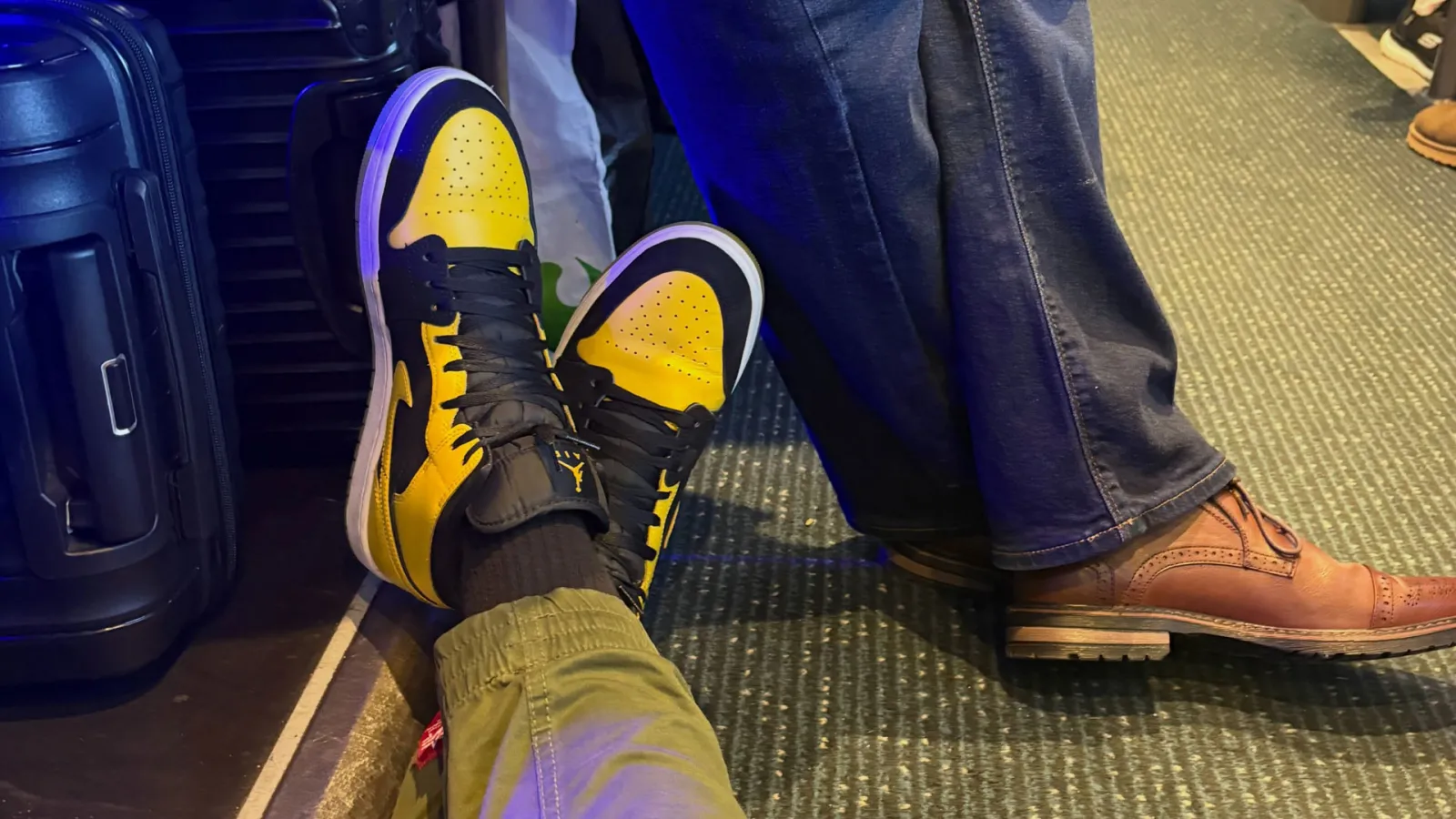
Dion Dublin, the 57-year-old former Manchester United and England striker who now works as a BBC Match of the Day pundit, posted a photo on Instagram showing himself seated on the floor of a train travelling to London.
The image, captioned "Another comfortable seat on the train down to London 😡😡," quickly attracted attention on social media as Dublin complained about the lack of available seats on the service.
Why the Incident Matters
London's rail network regularly operates at high capacity, especially on routes serving major cities in the north of England. When a high-profile figure like Dublin is forced to sit on the carriage floor, it underscores a broader issue of overcrowding that affects daily commuters, occasional travellers and the rail operators themselves.
Who Is Dion Dublin?
Dublin began his professional football career in 1992 when he signed for Manchester United from Cambridge United. A serious broken leg shortly after his arrival limited his chances under Sir Alex Ferguson, prompting a move to Coventry City where he established himself as a prolific Premier League striker.
He later played for Aston Villa, sharing the Premier League Golden Boot in the 1997-98 season, and also represented Leicester City, Celtic, Norwich City and Coventry again before retiring in 2008 after earning four caps for England.
Since hanging up his boots, Dublin has become a regular face on BBC football coverage, appearing on Match of the Day and other programmes. In 2015 he joined the presenting team of the BBC property series Homes Under the Hammer, where his enthusiastic commentary on staircases has become a fan favourite.
Details of the Train Journey
The Instagram post does not specify the exact service, but the journey was described as "down to London," indicating a south-bound train from a northern English city. Dublin's complaint centres on the inability to find a seated place, forcing him to sit on the carriage floor for the duration of the trip.
Rail operators typically allocate a certain number of seats for passengers with reservations, while the remaining seats are available on a first-come, first-served basis. When demand exceeds supply, passengers without reservations may be left standing or, in extreme cases, forced to sit on the floor.
Impact on Passengers and Rail Operators
Overcrowding affects comfort, safety and the overall travel experience. Passengers who must stand for long periods risk fatigue and, in the event of sudden braking, possible injury. For operators, persistent reports of overcrowding can damage reputation and invite regulatory scrutiny.
Transport for London (TfL) and the Department for Transport (DfT) monitor passenger numbers and capacity on major routes. When complaints rise, they may commission additional services, adjust timetables or invest in longer trains to increase seat availability.
Background on Rail Capacity Issues
Since the 2010s, the UK rail network has faced rising passenger numbers due to population growth, increased commuting and a shift away from car travel. The COVID-19 pandemic caused a temporary dip in ridership, but demand rebounded sharply as restrictions lifted.
Government policy has encouraged investment in rail infrastructure, including the Great Western Main Line upgrade and the Northern Powerhouse Rail proposals. However, funding constraints and delayed projects have meant that many routes still operate at or near capacity during peak periods.
What Passengers Can Do When Seats Are Unavailable
Travelers facing a full carriage have several options:
- Check real-time seat availability via the train operator's app before boarding.
- Consider traveling at off-peak times when fewer passengers are on board.
- Purchase a reservation where possible, especially on longer journeys.
- Use alternative routes or modes of transport, such as coach services, if the train is severely overcrowded.
What Comes Next for Dublin and the Rail Service
Dublin has not indicated whether he will raise the issue with the train operator or with transport authorities. The BBC has not issued a statement on the incident. Observers will likely watch for any response from the operator regarding capacity management on the route in question.
For the rail industry, the incident adds to a growing list of public complaints that may prompt a review of seat allocation policies, especially on services that attract high-profile passengers.
Broader Context: Public Figures and Travel Complaints
When celebrities or public personalities share travel grievances, the stories often gain rapid traction online. Such posts can highlight systemic problems that affect ordinary commuters but receive less media attention.
In Dublin's case, his dual identity as a former football star and a current broadcaster gives his complaint added weight, potentially prompting a quicker response from the service provider.
Practical Takeaways for Readers
Anyone planning a train trip to London should check seat availability in advance, consider booking a reservation, and be prepared for the possibility of standing or sitting on the floor during peak travel times. Monitoring operator announcements and using real-time travel apps can help mitigate inconvenience.
Transport authorities continue to evaluate capacity solutions, but passengers remain the ones who experience the immediate effects of overcrowding. Public feedback, especially from well-known figures, can influence future service adjustments.