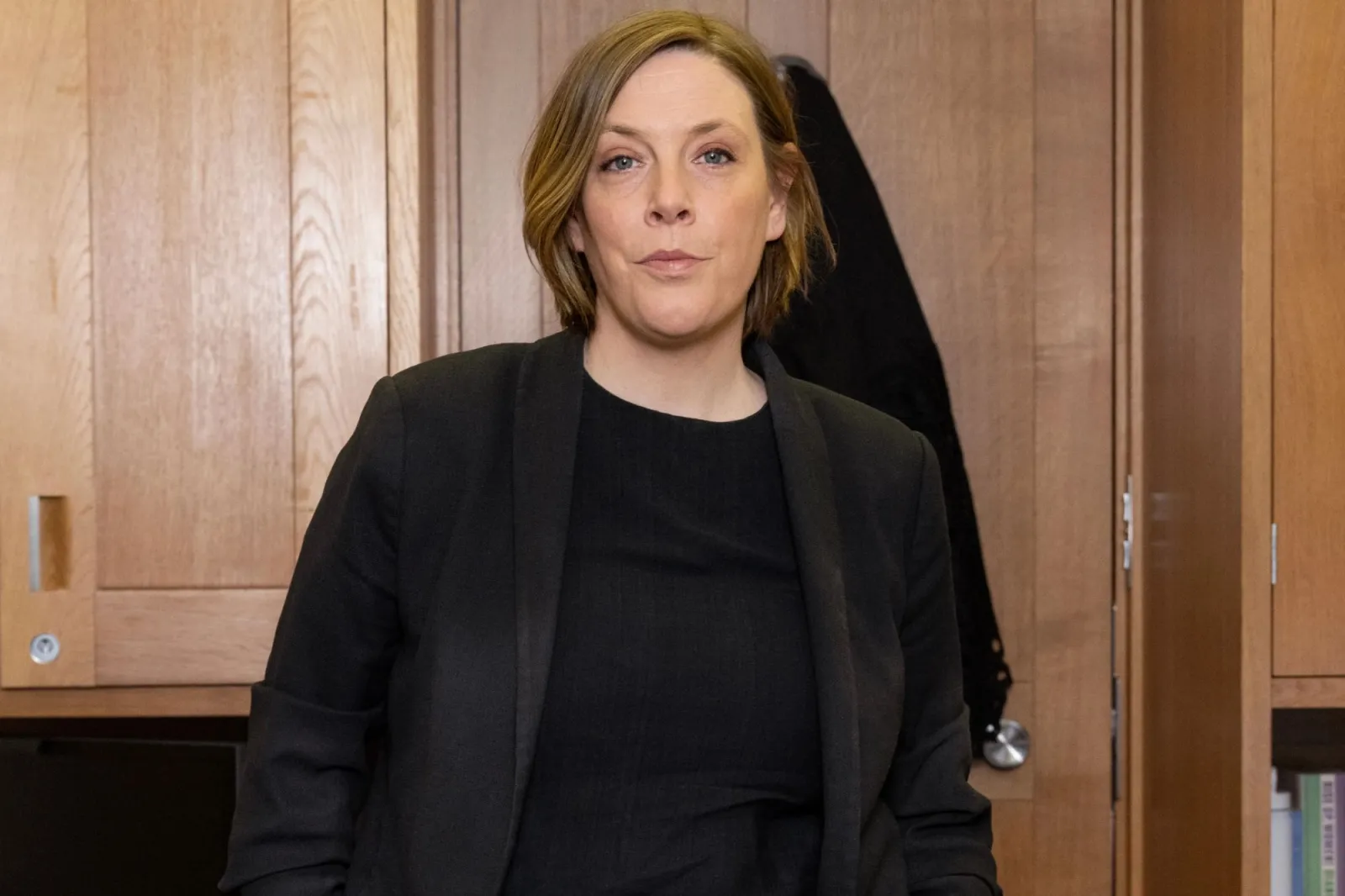
Former safeguarding minister Jess Phillips told The Sun on Sunday that she is prepared to name and shame alleged sex predators in Parliament, provided that the victims request it.
Phillips, a Labour MP, said the move would rely on parliamentary privilege - a rarely used legal protection that shields MPs from civil suits for statements made in the House of Commons.
What Jess Phillips Said and Why It Matters
Phillips said, "Wealth, power and a greater access to use the law should never be used to hide abuse of and silence women, young people and children. I'd be prepared to name and shame if that was what these people wanted." The comment came after two high-profile scandals involving comedian Russell Brand and actor David Walliams.
In the Walliams case, a High Court judge rejected a bid to block the publication of allegations, allowing the claims to be reported publicly. Walliams has denied all allegations. Lawyers representing the comedian argued that publishing the claims could cause him to kill himself, invoking his right to life.
Parliamentary Privilege Explained
Parliamentary privilege is a legal immunity granted to members of the UK Parliament. It allows MPs to speak freely in the chamber without fear of defamation lawsuits. The privilege dates back to the Bill of Rights of 1689 and is intended to protect robust debate. It is rarely invoked to expose criminal behaviour, but it has been used in the past for whistle-blowing on matters of public interest.
Because the privilege covers statements made on the floor of the House, an MP can name individuals without facing a libel claim. However, the protection does not extend to statements made outside Parliament, such as press interviews, unless the content is formally entered into the parliamentary record.
Background to the Recent Scandals
The Russell Brand scandal erupted in 2023 when a former partner alleged non-consensual sexual activity. The allegations were widely reported, prompting a public debate about the misuse of legal injunctions to silence victims.
David Walliams, a popular children's author and comedian, faced multiple accusations in 2023 and 2024. A court-ordered injunction sought to prevent the media from publishing the claims, but the High Court dismissed the request, citing the public interest in transparency. Walliams has consistently denied the accusations.
Both cases highlighted the tension between privacy rights, the right to a fair trial, and the public's right to know about alleged abuse by high-profile individuals.
Why Legal Injunctions Are Under Scrutiny
Phillips said she is examining how to stop legal injunctions being misused to protect alleged abusers. Injunctions, also known as "super-injunctions," can prohibit the press from publishing specific information, even the identity of the claimant. Critics argue that they are sometimes used by wealthy or powerful individuals to suppress allegations of sexual misconduct.
The High Court's decision in the Walliams case set a precedent that the courts will weigh the public interest heavily when faced with attempts to silence allegations of abuse. Legal experts note that the balance between protecting reputations and ensuring victims can speak out remains delicate.
Phillips' proposal to use parliamentary privilege would bypass the civil courts altogether, placing the decision in the political arena rather than the judicial one.
Potential Impact on Victims and the Public
If Phillips follows through, victims could gain a powerful platform to have their stories heard without fear of legal retaliation. The ability to name alleged perpetrators in Parliament could also pressure institutions to act more swiftly on complaints.
Conversely, the approach raises concerns about due-process rights for the accused. Naming individuals without a criminal conviction could damage reputations irreparably, even if later cleared. Legal scholars caution that parliamentary privilege should not become a shortcut to bypass the courts.
How the Process Would Work
Should victims indicate a desire for their abusers to be named, Phillips would need to raise the matter in a parliamentary debate or submit a question to a relevant committee. The statement would then become part of Hansard, the official parliamentary record, and would be protected by privilege.
Steps involved:
- Victim or advocacy group contacts Phillips expressing a wish to be named and shamed.
- Phillips assesses the request, ensuring the claim meets criteria for public interest.
- Phillips makes a statement in the Commons, which is entered into Hansard.
- The media can then report the statement without fear of defamation suits.
Because the privilege only covers statements made inside Parliament, any follow-up comments made outside the chamber would not be protected.
What Comes Next for Jess Phillips and Parliament
Phillips said she is currently reviewing the legal framework surrounding injunctions and parliamentary privilege. No formal motion has been tabled yet. Observers expect her to raise the issue at the next opportunity in the House, possibly during a debate on safeguarding or on a committee hearing.
The Labour Party has not issued a collective position, but the issue is likely to be discussed in internal meetings, given its political sensitivity.
Watch for:
- A formal parliamentary question or debate on the misuse of injunctions.
- Statements from the Attorney General's Office regarding the limits of privilege.
- Reactions from the Conservative government, which may defend existing legal safeguards.
- Comments from victim-rights organisations about the desirability of the approach.
Until a motion is tabled, the proposal remains a statement of intent. Nonetheless, the public declaration has already sparked debate about the balance between protecting victims and preserving legal rights.
Practical Takeaways for Readers
For anyone who believes they have been abused by a public figure, the news indicates a possible new route to have the matter raised publicly, provided they want it. Contacting an MP, especially one with a safeguarding background like Jess Phillips, could be the first step.
Legal counsel should be sought before proceeding, as statements made outside Parliament remain vulnerable to defamation claims.
For journalists, the article highlights that once a name appears in Hansard, reporting it is legally safe under privilege, changing the landscape of investigative reporting on abuse allegations.
Overall, the development underscores a growing willingness among some politicians to challenge the legal mechanisms that have, in the past, limited victims' voices.