Brighton Plans Pedestrian Zone at Historic Madeira Terrace
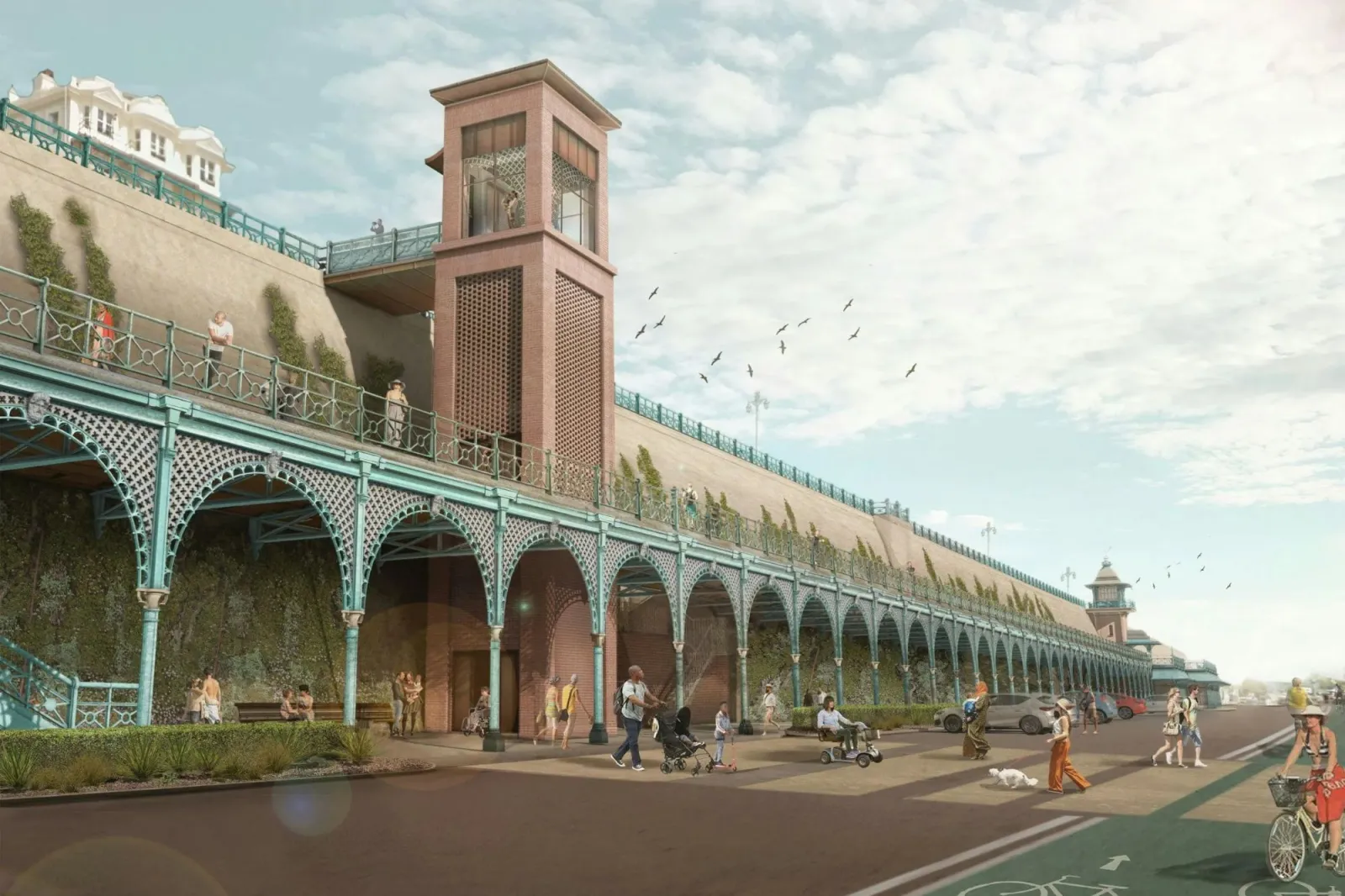
A popular English seaside destination is set to become much easier to visit for tourists and residents, thanks to a massive infrastructure upgrade currently underway on the coast. Madeira Terrace in Brighton has revealed plans to become pedestrianised, which includes getting rid of parking spaces located directly in front of the historic arches. Instead, this coastal space, situated not too far from Brighton's Palace Pier, will transform into a pedestrian-friendly area featuring new seating for the public. The Grade II star listed landmark has already undergone partial restoration as part of a wider £14 million project funded to revitalize the eastern seafront.
Local authorities hope the changes will attract more visitors and boost the local economy by creating a safer, more inviting environment. The pedestrianised zone could eventually host various community events, markets, and cultural activities. While general vehicular access will end, authorities have confirmed that six accessible parking spaces will remain available alongside a dedicated loading bay to service the area.
History and Architecture of Madeira Terrace
Stretching approximately 865 metres along the coast, the Madeira Terrace features a total of 151 ornate arches built into the cliffside. The structure was originally constructed between 1890 and 1897 to serve as a covered promenade for Victorian visitors wishing to stroll along the seaside out of the elements. Over the decades, however, the ironworks suffered from severe environmental degradation due to the salty sea air, leading to partial closures for public safety.
The current restoration effort aims to reverse years of decay and restore the Victorian promenade to its former glory. Engineers and builders have already repaired 28 of the historic arches. Additionally, the project improves local accessibility by constructing a brand-new clifftop lift, which connects upper Marine Parade directly to the beach level below for residents and tourists with mobility needs.
Council Vision for Eastern Seafront Regeneration
The decision to remove cars from the immediate front of the terrace forms a core part of municipal strategies to regenerate the eastern part of the city. Local leaders view the restored terrace as a vital connection linking various local venues, businesses, and attractions along the coast. Jacob Taylor, deputy leader of the council and vice-chair of the Seafront Development Board, spoke about the ongoing progress of the initiative.
Jacob Taylor said, "We've invested significant time, money and care in restoring Madeira Terrace, and it's fantastic to see it taking shape." He added, "Now we're developing plans to activate this space and make it an exciting destination for residents and visitors. It's a key part of the regeneration of the eastern seafront and a vital connection between different venues, businesses and attractions."
What the £14 Million Project Means for Visitors
Travelers and locals can expect a much quieter, more relaxed atmosphere once the pedestrianisation scheme takes full effect. Removing parked cars opens up clear views of the English Channel and gives people ample room to walk without navigating traffic. Families, pedestrians, and cyclists will find it much simpler to move between the beach level and the upper promenade via the newly built clifftop lift.
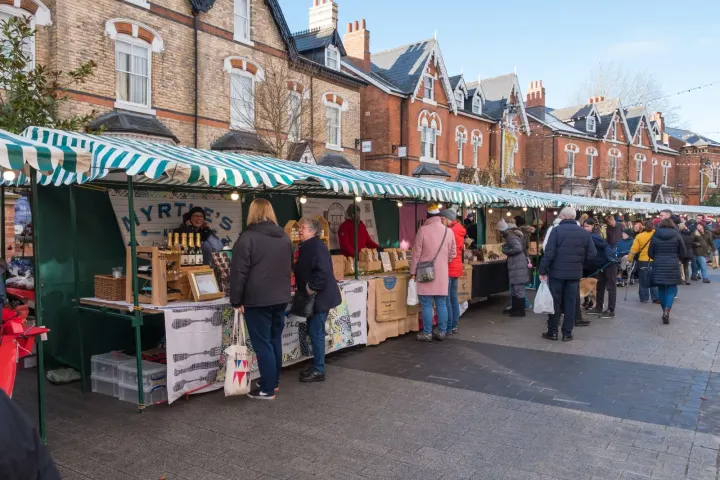
The transition from a parking zone to an open public plaza creates opportunities for outdoor commerce and local entertainment. City planners anticipate that pop-up markets and seasonal festivals will find a natural home beneath the restored Victorian ironwork. These activities aim to draw foot traffic further east away from the main pier area, spreading economic benefits to businesses situated along that stretch of the coastline.
Next Steps for the Brighton Coastline
Work on the Madeira Terrace restoration continues as contractors finish the remaining phases of the £14 million investment. Municipal authorities are currently finalising the exact layouts for the pedestrian zone, seating arrangements, and the operational details for the six accessible parking bays and loading area. Residents and visitors should monitor local council updates regarding temporary path closures or construction milestones as the project moves toward completion.
The long-term success of the pedestrianisation depends on community engagement and how well the new public spaces are used for cultural events. As the ironworks are safely restored and the new lift enters regular service, the eastern seafront enters a new era. The combination of historical preservation and modern urban planning ensures that the Victorian promenade will serve the public for decades to come.