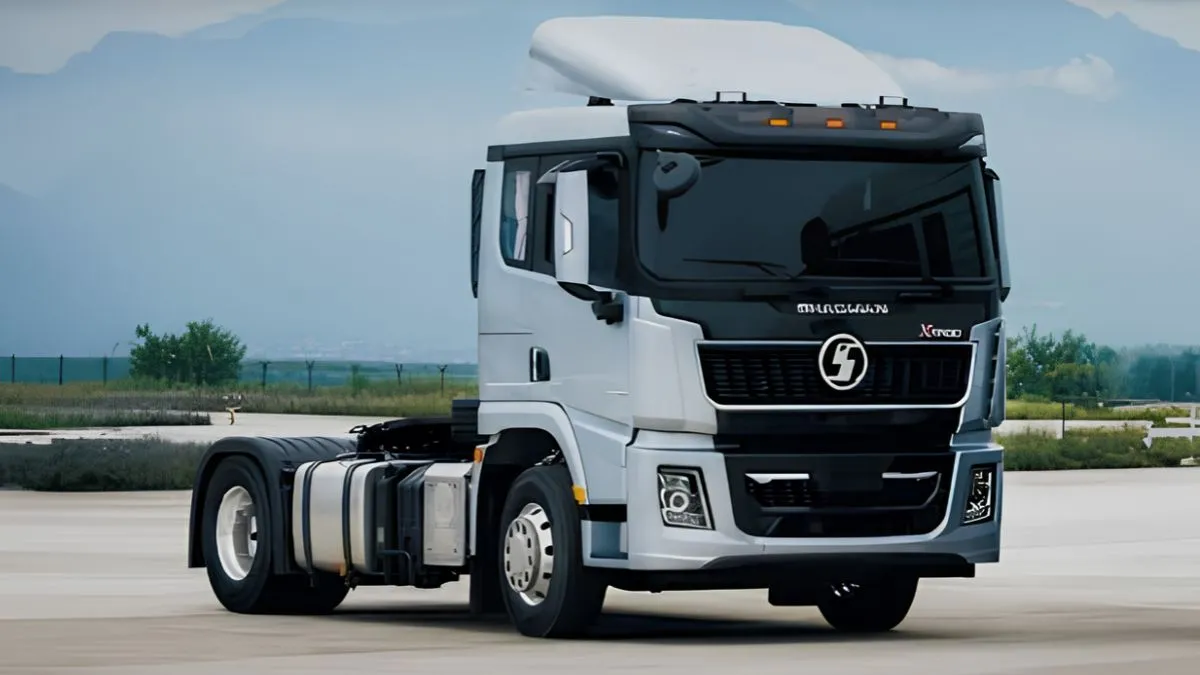
Master Motor will unveil electric commercial trucks in partnership with Chinese heavy-duty vehicle maker Shacman at EV Expo Lahore, signalling the company's entry into Pakistan's nascent electric freight sector.
The announcement comes via a promotional poster circulating on social media, which displays three trucks with distinct body styles and hints at a multi-segment strategy for the country's commercial transport market.
What the Launch Means for Pakistan's Commercial Vehicle Landscape
Pakistan's commercial vehicle market has long been dominated by diesel-powered trucks from manufacturers such as Daewoo, Hino and local assemblers. Electric trucks remain a rarity, with only a handful of pilot projects in major cities. By introducing a dedicated line of electric trucks, Master Motor aims to broaden the choices available to logistics firms, last-mile delivery operators and construction contractors.
The move aligns with the Pakistani government's broader climate agenda, which includes a target to increase the share of electric vehicles (EVs) to 30 % of total vehicle sales by 2030. While passenger EV adoption has accelerated thanks to subsidies and tax incentives, the freight sector has lagged due to higher upfront costs and limited charging infrastructure. Master Motor's entry could help bridge that gap.
Background: Master Motor's Evolution in Pakistan
Master Motor entered the Pakistani market in the early 2000s, initially focusing on passenger cars before shifting to commercial vehicles. In 2025 the company signed a partnership with Shacman, a Chinese heavy-duty vehicle manufacturer owned by the state-run China National Heavy Duty Truck Group. The agreement granted Master Motor the rights to assemble, market and distribute Shacman's diesel trucks across Pakistan.
Since that partnership, Master Motor has expanded its portfolio through collaborations with other Chinese firms, notably Foton and Yutong, both of which supply buses and light commercial vans. These relationships have given Master Motor a foothold in the country's bus and delivery-van segments, and have built the technical expertise needed for vehicle assembly and after-sales support.
Who Is Shacman and What Does It Bring to the Table?
Shacman, formally known as Shaanxi Heavy Duty Automobile Co., is one of China's leading manufacturers of heavy-duty trucks and buses. The company exports vehicles to more than 80 countries and has a growing portfolio of electric and hybrid models aimed at reducing emissions in the logistics sector.
Shacman's electric truck platform typically features a high-capacity lithium-ion battery pack, regenerative braking, and a modular chassis that can accommodate a range of body configurations. While the specific technical details of the trucks slated for Pakistan have not been disclosed, Shacman's existing global models offer ranges between 200 km and 400 km on a single charge, with payload capacities up to 15 tonnes.
What Do We Know About the Trucks on Display?
The promotional poster shows three trucks:
- A flat-bed truck likely aimed at construction and heavy-load transport.
- A box-type van suited for refrigerated or dry goods delivery.
- A chassis-cab version that can be fitted with specialized bodies such as dumpers or tankers.
The diversity of body styles suggests Master Motor intends to serve multiple sub-segments within Pakistan's commercial transport industry, from long-haul freight to urban distribution. However, the poster does not reveal model names, battery capacity, range, charging time, or payload figures.
Pricing, Booking and Delivery: What Remains Unclear
Key commercial details are still pending. The company has not announced pricing, which will be a critical factor for fleet operators accustomed to diesel trucks priced in the range of Rs. 3 million to Rs. 6 million. Likewise, booking procedures, expected delivery timelines and whether the trucks will be imported fully built or assembled locally have not been disclosed.
Local assembly would allow Master Motor to benefit from Pakistan's duty concessions for CKD (completely knocked down) kits, potentially lowering the final price for buyers. Importing fully built units, on the other hand, could accelerate market entry but might result in higher costs.
Impact on Logistics Companies and Fleet Operators
For logistics firms, the introduction of electric trucks could mean lower operating expenses over the vehicle's life cycle. Electricity is generally cheaper than diesel per kilometre, and electric drivetrains have fewer moving parts, reducing maintenance costs. Moreover, operating electric trucks can help companies meet corporate sustainability targets and comply with any future emissions regulations.
However, the transition also poses challenges. Operators will need access to reliable charging stations, ideally located at depots or along major freight corridors. Pakistan's current charging network is limited, with most public chargers concentrated in major cities like Karachi, Lahore and Islamabad. Fleet managers may need to invest in private charging infrastructure or partner with energy firms to secure dedicated charging points.
Regulatory and Policy Context
The Pakistani government, through the Ministry of Climate Change, has introduced several incentives for EV adoption, including reduced customs duties on battery imports and tax rebates for locally assembled electric vehicles. In 2023 the government announced a plan to install 1,000 public charging stations by 2027, though progress has been slower than projected.
Commercial vehicles are subject to additional regulations, such as the requirement for a Certificate of Conformity (CoC) that verifies compliance with emission standards. Master Motor will need to secure these certifications before the trucks can be sold domestically.
What to Watch for After the EV Expo Lahore
EV Expo Lahore, scheduled for early November 2026, will be the first public platform where Master Motor showcases the electric trucks. Attendees can expect a formal unveiling, possibly accompanied by a press conference featuring executives from Master Motor and Shacman.
Key signals to monitor include:
- Official model names and technical specifications.
- Pricing structure and any government subsidies applied.
- Statements on local assembly versus import.
- Partnerships with charging-network providers.
- Initial order book size from logistics companies.
These details will shape market expectations and influence whether other manufacturers accelerate their own electric-truck programmes in Pakistan.
Practical Takeaways for Potential Buyers
Businesses considering an electric fleet should begin assessing their current route profiles. Trucks with daily ranges under 200 km are best suited for intra-city deliveries, while longer-range models are needed for inter-city freight.
Companies should also evaluate the total cost of ownership (TCO) by factoring in electricity rates, potential government incentives, and anticipated maintenance savings. Early adopters may benefit from pilot-program incentives offered by the Ministry of Climate Change, which include subsidies for installing private chargers.
Finally, staying engaged with Master Motor's sales team and monitoring updates from EV Expo Lahore will ensure buyers have the latest information before committing to orders.
Overall, Master Motor's planned launch represents a noteworthy step toward diversifying Pakistan's commercial vehicle fleet and aligning it with global trends toward electrification.