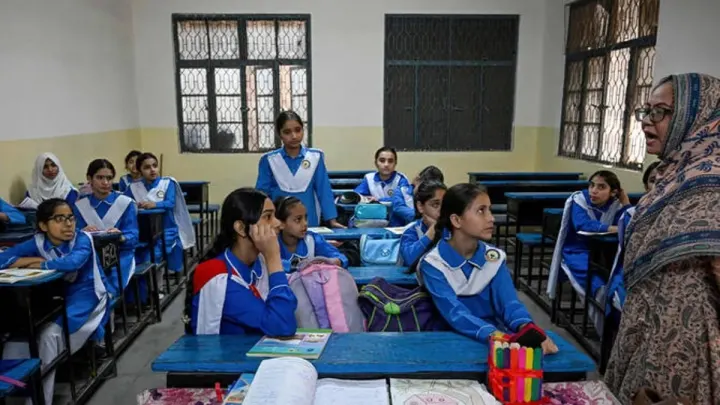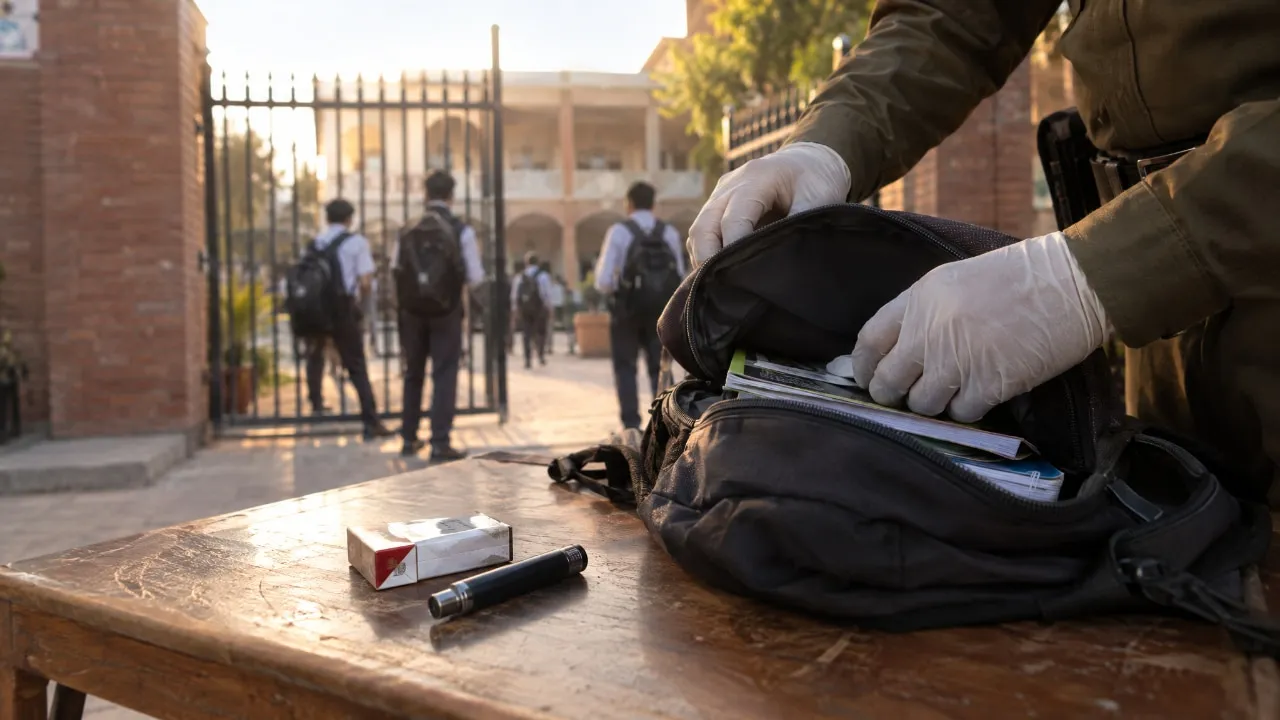
The Punjab Crime Control Department (CCD) has begun a campaign that includes searching students' bags at school gates in Lahore for cigarettes and vapes, a move aimed at protecting minors from nicotine products.
The initiative, announced by CCD officials and reported by journalist Ahmad Warraich, adds a physical checkpoint outside schools where trained CCD teams inspect backpacks for prohibited items.
Why the CCD Is Targeting Vapes and Cigarettes in Schools
Pakistan has seen a sharp rise in youth nicotine consumption over the past five years. According to the Ministry of Health, sales of electronic vaping devices increased by 42 % between 2019 and 2023, with a significant portion of those sales attributed to under-age buyers. Health experts warn that early exposure to nicotine can impair brain development and increase the risk of addiction to other substances.
In response, the provincial government empowered the CCD to enforce existing tobacco control laws, which prohibit the sale of cigarettes and vaping products to anyone under 18. The new school-gate checkpoints are a direct application of those powers, designed to intercept the supply chain before products reach students.
How the Checkpoints Operate
Each checkpoint is staffed by a small team of CCD officers equipped with metal detectors and handheld scanners capable of detecting nicotine-containing liquids. When a student approaches the school entrance, officers request a brief bag inspection. The process is intended to be quick, lasting no more than a minute per student, and is carried out with respect for privacy.
Students found with cigarettes or vapes are handed a warning slip and referred to the school counselor. Repeated offenses may lead to a formal case being registered against the student's parents for negligence, according to CCD policy.
School is a place where there should be no role of police to discipline children. Parents and Teachers are enough to teach discipline to the children. I will never want my children to have their school bags checked by Police.
— Dr Arslan Khalid (@arslankhalid_m) November 20, 2026
Legal Framework Behind the Crackdown
The legal basis for the operation lies in the Punjab Tobacco Control Act of 2002, which aligns with Pakistan's national Tobacco Control Law of 2002. Both statutes criminalize the sale of tobacco products to minors and impose fines of up to Rs. 50,000 for first-time offenders. The CCD's authority to conduct searches is derived from the Punjab Police Act, which permits officers to conduct inspections in public places when there is reasonable suspicion of a crime.
Under the law, shopkeepers caught selling cigarettes or vapes to minors face immediate case registration, possible seizure of inventory, and potential imprisonment of up to six months.
Response From Parents, Teachers, and Shopkeepers
CCD spokespersons have called on parents and teachers to monitor children's habits closely. "Parents and teachers must keep a strict watch on children's habits and activities," the spokesperson said, emphasizing that community vigilance is essential for success.
Teachers reported mixed reactions. While many support the effort to keep campuses drug-free, some express concern about the impact on student-teacher trust. A senior teacher at a Lahore public school noted, "We want a safe environment, but we also need to handle inspections sensitively to avoid stigmatizing students."
Shopkeepers in the vicinity of schools have been warned that any evidence of selling to minors will result in arrests. The CCD has set up a dedicated hotline for citizens to report suspicious sales, reinforcing the department's message that "cases will be registered, and arrests made against any shopkeeper caught selling cigarettes or vapes to minors."
Potential Impact on Youth Smoking Rates
Early data from pilot checkpoints in three Lahore schools indicate a 15 % drop in reported vaping incidents within the first month. Public health analysts suggest that sustained enforcement could lead to a longer-term decline in youth nicotine use, mirroring trends seen in other South Asian regions where similar measures were introduced.
However, experts caution that supply may shift to informal markets. To counter this, the CCD plans to coordinate with customs officials to target illegal import channels for vaping devices, which often bypass standard customs duties.
What Parents and Students Should Expect Next
Parents are advised to discuss the health risks of nicotine with their children and to cooperate with school staff during inspections. Students should be prepared for bag checks and understand that possession of prohibited items will result in disciplinary action.
The CCD has announced that the checkpoint program will be reviewed after a six-month trial period. Results of the review, including any adjustments to procedures or expansion to other districts, will be communicated through official press releases.
In the meantime, the department urges the public to report any shopkeeper violating the law via the CCD helpline, reinforcing the message that community involvement is critical to protecting children from drugs.