Chancellor John Healey reportedly plans to raise alcohol duty in the 2026 Budget, which takes place on Wednesday, October 28, following earlier tax changes for smokers and vapers that came into force earlier this month.
Will alcohol prices rise in the 2026 Budget?
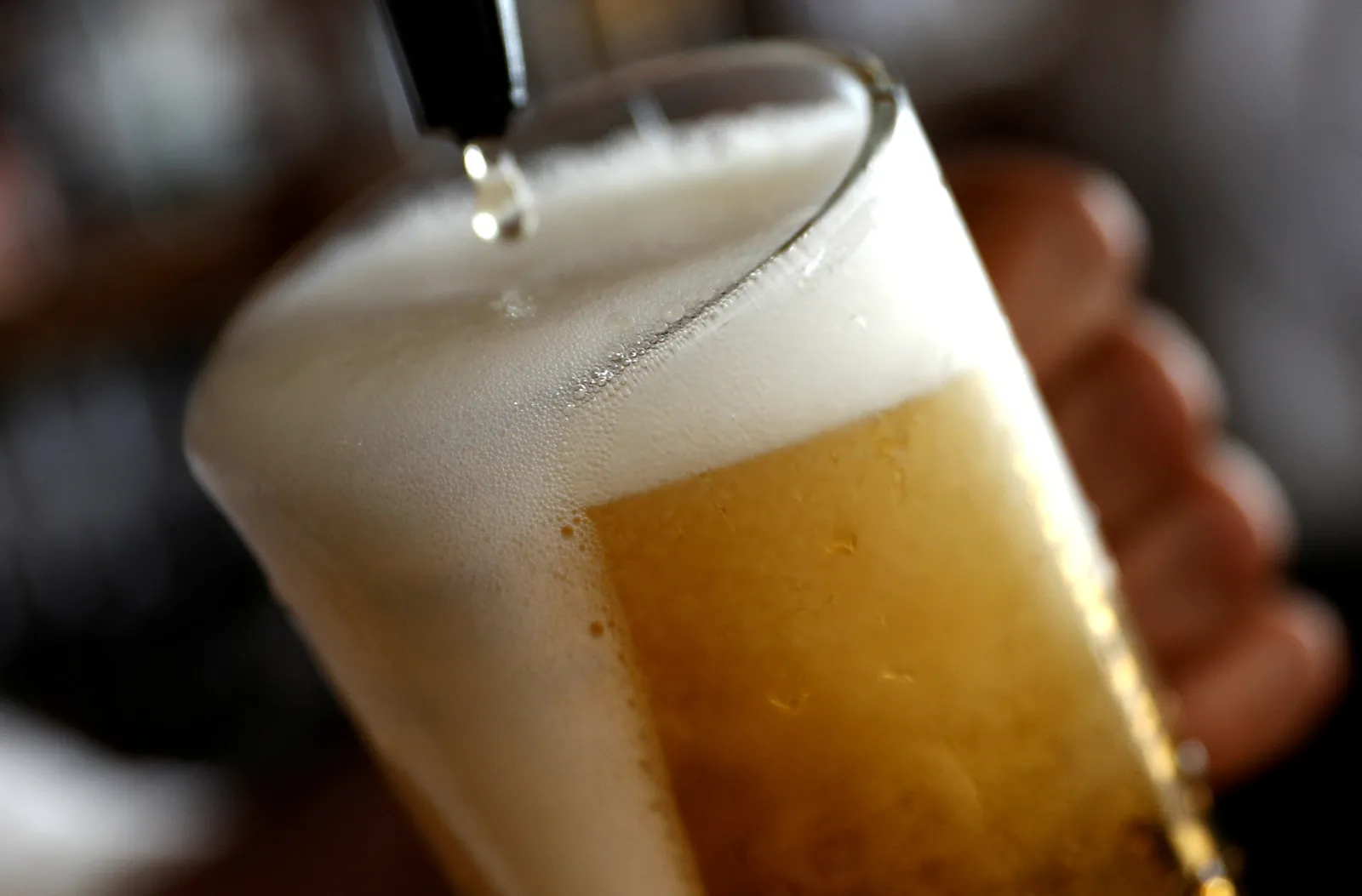
According to the Telegraph, John Healey is expected to increase alcohol duty in line with the Retail Prices Index (RPI).
Office for National Statistics figures show RPI inflation reached 3.9% in September.
Duty on a standard pint of beer could jump from roughly 50p to 52p with a rise of that size.
Wine duty might see an extra 10p to 12p added per bottle depending on strength, while a 70cl bottle of 37.5% vol. gin could face an increase of about 35p.
However, these figures represent tax adjustments rather than guaranteed shifts in retail or pub pricing.
Shops and venues determine their own pricing, and factors such as VAT, production expenses and overheads influence final costs.
Alcohol duty previously went up on February 1, 2026, with a 3.66% rate increase.
Drinks and pub sector organisations requested a freeze, cautioning that another hike would create strain for patrons and operators alike.
Are cigarettes going up in the Budget?
Tobacco duty already rose on October 1, 2026, based on measures outlined in previous Budgets.
HMRC calculated that the adjustment would raise duty by £1.21 for a pack of 20 cigarettes and £2.54 for a 30g pouch of rolling tobacco.
This adjustment merged the government annual tobacco duty escalator, consisting of inflation plus two percentage points, with an extra one-off hike.
Authorities moved the annual rise forward to October to align with a fresh tax on vaping goods.
Officials have not confirmed any standalone tobacco hike for the October 28 Budget.
Will vaping products become more expensive?
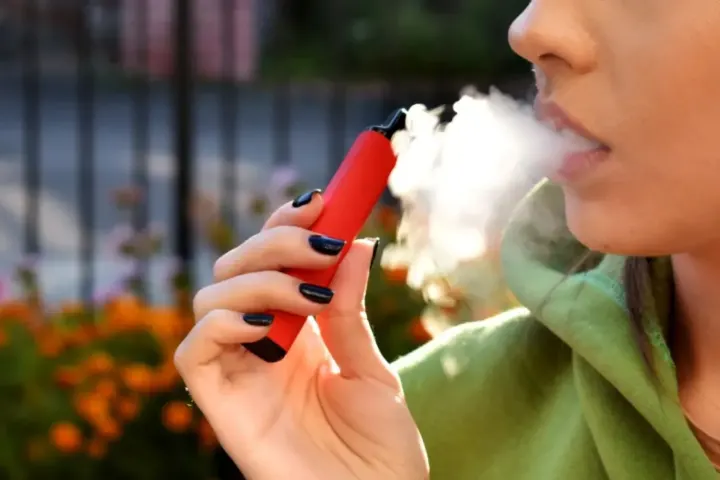
A fresh Vaping Products Duty launched on October 1, targeting e-liquids produced in or brought into the UK.
The charge sits at £2.20 per 10ml, regardless of whether the liquid includes nicotine.
This calculates to 44p for a 2ml pod and £2.20 for a 10ml refill container.
Makers and importers pay the charge, though companies might pass portions or all of the expense onto consumers.
This tax is already active rather than a new proposal arriving after the current Budget.
When could the price rises take effect?
Present alcohol duty levels remain in place through January 2027, with the subsequent shift anticipated on February 1, 2027.
Yet Mr Healey's Budget will determine whether the reported increase proceeds, alongside its timing and scale.
Any additional shifts to vaping or tobacco duties would also require a formal announcement.
Even so, higher taxes do not automatically mean an identical price jump at the register.