Drivers face high costs at the pump but could avoid a fuel duty increase in the 2026 Budget, as Chancellor John Healey plans to maintain a 5p-a-litre tax cut during his Wednesday, October 28 announcement.
Will fuel duty rise in the 2026 Budget?
John Healey intends to freeze fuel duty again, preventing increases scheduled for early next year.
However, the Treasury has not formally confirmed the decision, so motorists will have to wait for the Budget for the final details.
Fuel duty has not been increased since 2011, while the temporary 5p reduction was introduced in March 2022 following Russia's invasion of Ukraine.
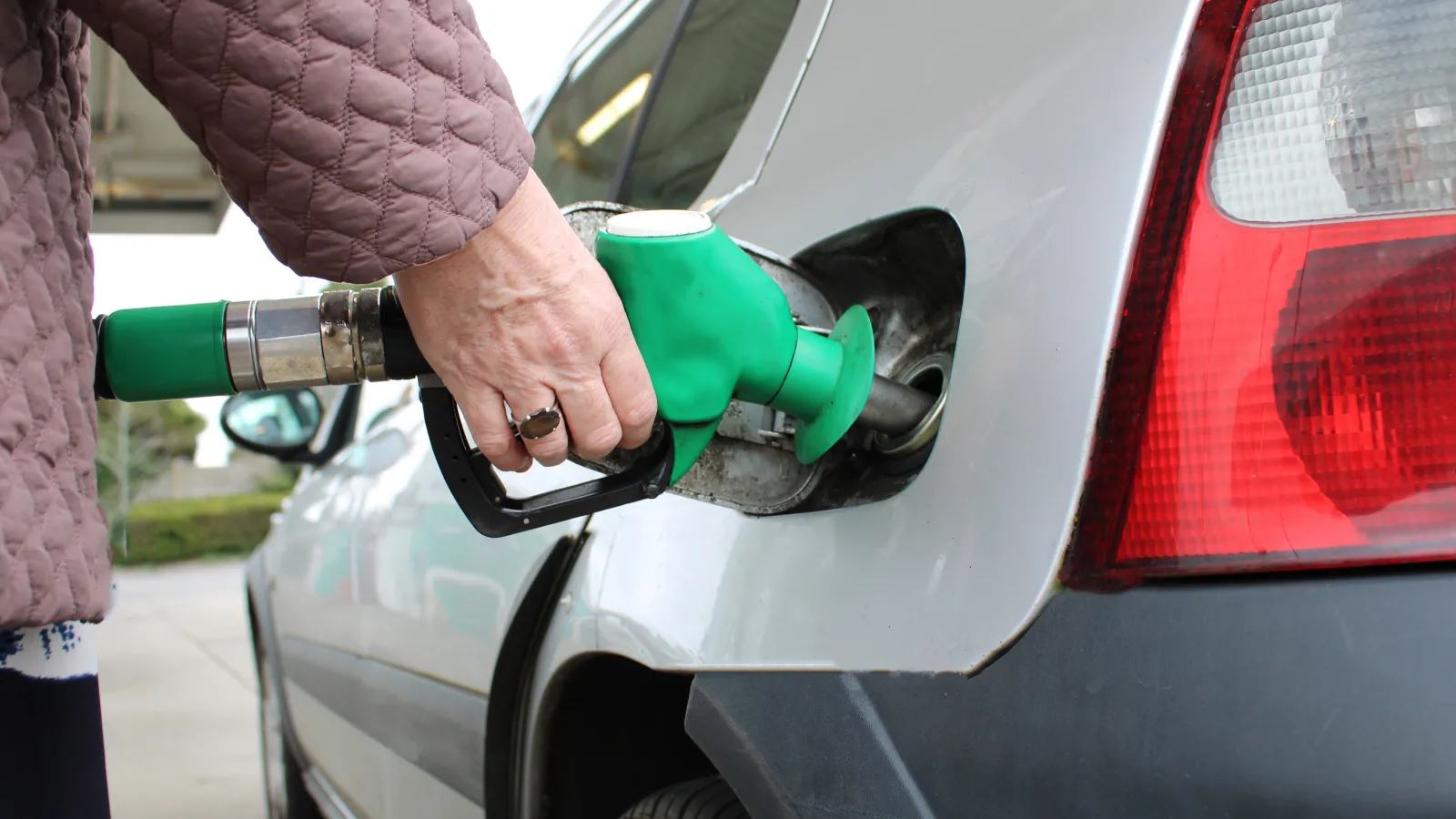
The tax is included in the forecourt price rather than charged separately when drivers pay.
The Chancellor has also unveiled measures he calls everyday fixes to ease financial pressure on families.
These include higher tax-free mileage allowances for drivers using their cars to get to work and extending paternity pay to another 150,000 parents, including self-employed fathers.
Mr Healey said: "Today's everyday fixes are just a small part of what we are doing to give families a bit of breathing space."
He added: "Conflict in the Middle East and Europe is hitting families here through higher costs. We can't control global events but we can act where we can make a difference."
How much is fuel duty on petrol and diesel?
Fuel duty currently stands at 52.95p per litre for both petrol and diesel.
HMRC confirmed in May that the existing cut would remain until at least December 31, 2026.
Without another extension, duty is due to increase by 3p on January 1, 2027, followed by a further 2p on March 1.
That would bring the rate back to 57.95p per litre, its level before the cut.
A further inflation-linked increase is also scheduled for the 2027/28 tax year.
Drivers pay 20% VAT on fuel, calculated on a price that already includes duty.
If the planned 5p rise were passed on in full, VAT would take the additional cost to 6p per litre, or £3.30 for a 55-litre tank.
Could a green tax make petrol and diesel more expensive?
Ministers are considering applying carbon charges to imported refined fuels, potentially including petrol and diesel, according to the Telegraph.
Such a measure could help UK refineries compete with overseas suppliers that do not face the same domestic carbon costs.
On October 23, Treasury Minister James Murray said: "Carbon Border Adjustment Mechanism (CBAM) is an environmental measure, designed to mitigate the risk of carbon leakage and ensure that these carbon-intensive imports face a carbon cost that is comparable to that faced by equivalent goods produced in the UK."
He added: "The Government recognises the important role of the UK refining sector in supporting energy security and the UK's industrial base."
He also stated: "As confirmed at Budget 2025, the Government is considering the feasibility and impacts of including refined products within the scope of CBAM in the future."
What could happen to petrol and diesel prices after the Budget?
RAC figures show petrol averaging 173.45p per litre, compared with 198.96p for diesel.
Those prices put a typical 55-litre fill-up at around £95 for petrol and £109 for diesel.
Diesel briefly exceeded £2 per litre earlier in October, reaching a record high.
The US-Iran conflict has disrupted fuel supplies, contributing to higher wholesale costs.
But oil prices, exchange rates and competition between retailers also affect what motorists pay.
Freezing fuel duty would prevent an additional tax rise, not guarantee lower pump prices.
On October 25, a Treasury source said: "Healey knows motorists have been hit hard by the cost of getting around, especially people who have no choice but to drive for their job."
The source continued: "On Wednesday, the Chancellor will show he's on their side, with practical support for millions of working people."
The source added: "That means backing nurses, care workers, self-employed builders and others who use their own cars for work by locking in the 55p mileage rate and going further for those who drive the most."
The source concluded: "It's part of the Chancellor's determination to back motorists, support working people and put more money in their pockets."