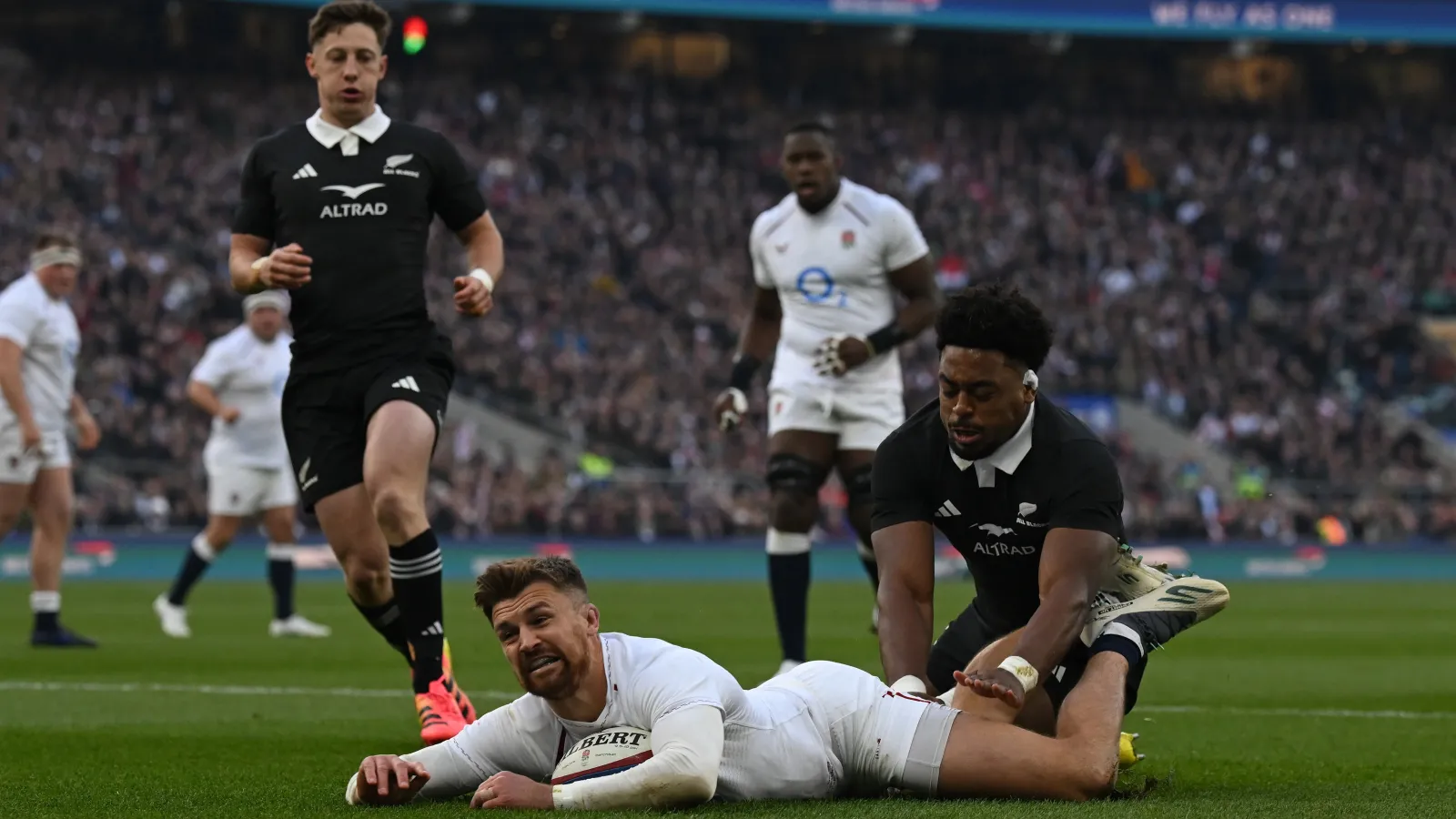
England Defeats New Zealand 37-12 in Twickenham Showdown
England secured a commanding 37-12 victory over the All Blacks at Twickenham, shifting the competitive balance and placing heavy pressure on France to reach the inaugural Nations Championship final. The high-stakes clash delivered an explosive display of rugby union, marked by early dominance from the home side and an electric atmosphere at the Allianz Stadium. Steve Borthwick's team delivered a performance that resonated across the international rugby community, following up on their previous success against the same opponents a year prior.
The blockbuster fixture held the potential to determine who could reach the Nations Championship final on November 29. England headed into hosting duties trailing leaders France by a point, despite boasting a gargantuan points difference compared to the rest of the Northern hemisphere. Meanwhile, New Zealand sat at the top of the Southern hemisphere rankings, only one point ahead of the Springboks, making this cross-hemisphere encounter critical for global standings.
How the Red Rose Built an Early Lead
Henry Slade dove onto the ball on the five minute mark to hand England the perfect start, setting a relentless tone for the opening quarter. Jack van Poortvliet quickly followed up by making it over the ruck to take them 12 ahead, catching the visiting defence off guard with sharp tactical awareness near the try line. It looked as if the Kiwis were going to get ripped up after Ben Earl powered through for a third try, which was converted again to stretch the early advantage.
New Zealand struggled to contain the rapid pace and physical intensity brought by the home team during the initial exchanges. The early deficit forced the visiting side to chase the game, opening up spaces that England exploited with precision handling and disciplined execution. Despite the mounting pressure, the All Blacks sought a response before the break to stay within striking distance.
All Blacks Fight Back Before Halftime
Ethan de Groot proved unstoppable as he offered New Zealand a way back heading towards half-time, crashing through the defensive line with brute force. That score provided a vital lifeline for the visitors, narrowing the gap and shifting the momentum slightly as both teams headed to the dressing rooms. The try highlighted the resilience inherent in the traditional powerhouse, reminding the crowd of their capacity to punish any defensive lapse.
The match at Twickenham came a year on from Steve Borthwick's 33-19 win over the All Blacks, which marked their first victory over the side at the Allianz Stadium since 2012. Interestingly, none of the backs, or even try-scorers, from that previous November victory featured in the same capacity in this fixture, yet England managed to seal another deserving win through a new generation of talent.
Second Half Tries Seal the Match for England
Ollie Chessum struck after the break, extending the home lead with a forceful carry that punctured the defensive wall. However, New Zealand answered back when Beauden Barrett went the whole way on his 150th Test, marking a remarkable personal milestone with a brilliant individual score that showcased his enduring class on the international stage.
Marcus Smith then pitched his penalty perfectly to keep the scoreboard ticking in favor of the hosts before converting Seb Atkinson's try near the hour mark. That decisive sequence extinguished any hopes of a late comeback by the visitors, sealing a comprehensive 37-12 triumph and leaving the travelling supporters stunned.
The Implications for the Nations Championship
England's victory puts France under the cosh, as Les Bleus will have to pull it out the bag against Argentina at 8.10pm to secure their spot in the final. The mathematical permutations of the tournament mean every single point and try differential carry immense weight for northern and southern hemisphere giants alike.
As the tournament reaches its climax, teams competing in these elite international windows must manage player fatigue and tactical adaptations rapidly. The outcome at Twickenham proves that historical rivalries remain fiercely unpredictable, with younger players stepping up to define a new era for English rugby on home soil.