Fabrizio Ravanelli High Court Tax Dispute Explained
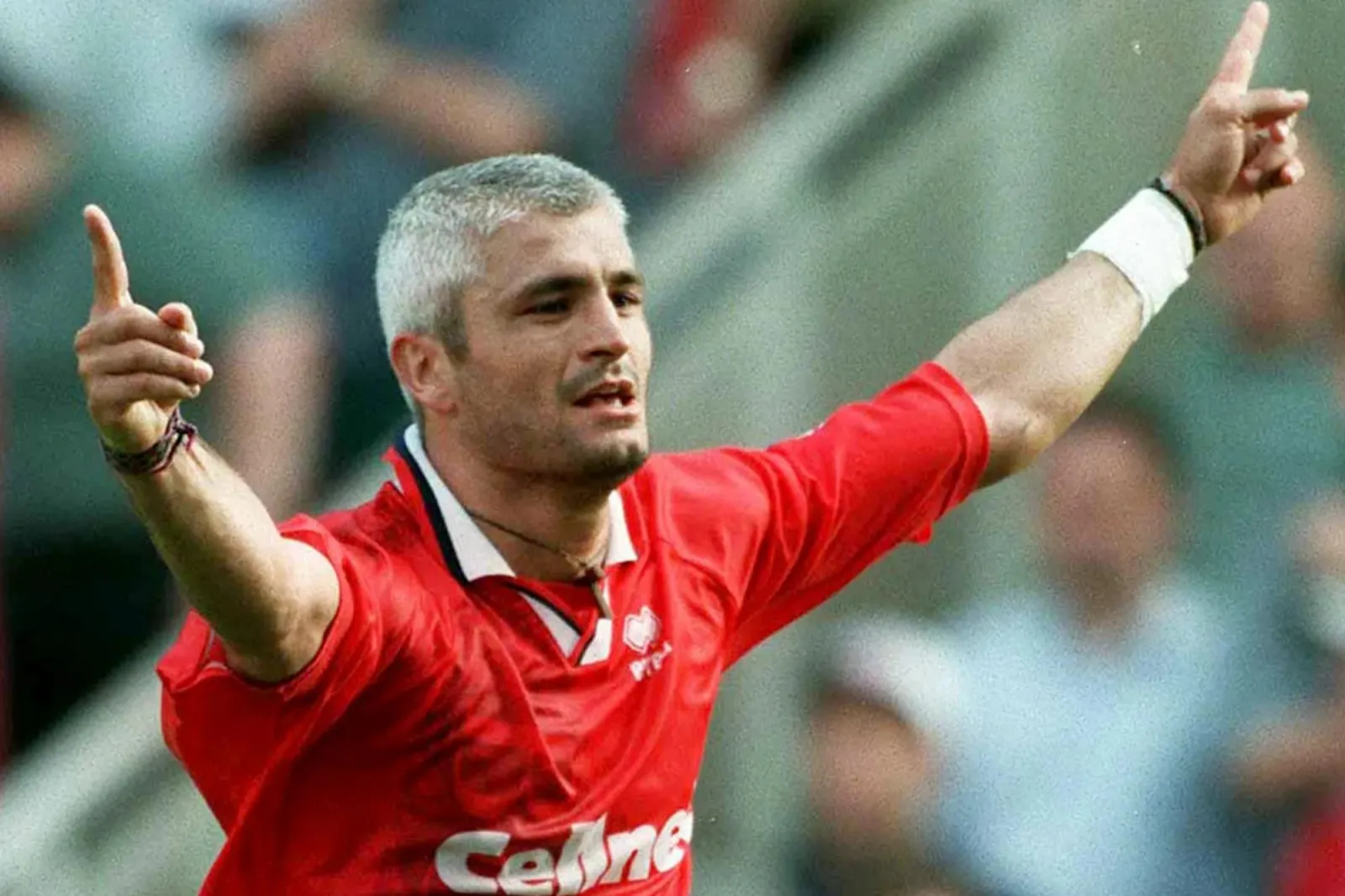
Former Premier League star Fabrizio Ravanelli is locked in a High Court legal battle with HM Revenue and Customs to claw back £340,000 tied to his playing days. The ex-Middlesbrough and Derby County striker, famous for his silver hair and White Feather nickname, is fighting over a massive payout from an employee benefit trust set up during his spell with the Rams. Trustees handed £1.28 million to HM Revenue and Customs out of a pot worth more than £2.1 million when the cash was paid out in 2021.
Fabrizio wants £340,000 of that sum back, claiming it went towards National Insurance contributions he argues he never owed. Derby County paid £1 million into the trust between February 2002 and March 2006, even though the Italian only played for the club from 2001 to 2003. Thanks to investment gains, the fund grew by more than £2.13 million by July 2021 before trustees paid it out to avoid a looming inheritance tax hit.
The Role of Employee Benefit Trusts in Football Finance
Employee benefit trusts were financial vehicles used extensively by football clubs and other corporate entities during the late 1990s and 2000s. These trusts often held investments and assets separate from normal payroll operations, sometimes providing alternative ways to reward high-earning employees. Over the past decade, tax authorities have scrutinized these arrangements aggressively, leading to widespread retrospective tax demands and legal challenges across the sports industry.
In this case, the trust associated with Derby County held funds that accumulated over many years through both employer contributions and market growth. When the trustees decided to distribute the fund in July 2021, they did so to circumvent a potential inheritance tax charge that threatened to diminish the remaining capital. This distribution triggered the massive tax payment to HM Revenue and Customs, setting the stage for the current courtroom clash.
Legal Arguments in the High Court Battle
During the two-day hearing, legal teams for both sides presented starkly different interpretations of tax legislation and liability. Fabrizio's barrister, Tim Johnston, told the court any National Insurance liability belonged to his old employer, Derby County Ltd, which went bust and was dissolved years ago. He argued that under tax rules and HM Revenue and Customs own guidance, no National Insurance should have been deducted when the money was released because the company no longer existed.
Tim Johnston told the court that HM Revenue and Customs must accept there are circumstances in which it will not be possible to collect National Insurance contributions because an employer has ceased to exist. He also argued that, in those circumstances, HM Revenue and Customs acted wrongly in refusing to reopen the settlement agreement and should now pay him the £340,000 which was said to have represented National Insurance contributions. The legal team maintained that the former player should not shoulder liabilities that legally rested with a corporate entity that vanished long ago.
HM Revenue and Customs Defense and Corporate Liability
Opposing the claim, HM Revenue and Customs barrister Adam Tolley KC shut down the claim as wrong as a matter of tax law. He argued the trust acted as Fabrizio's deemed employer when making the payout and was contractually bound by the settlement deal struck with the taxman. Adam Tolley added that HM Revenue and Customs could not simply hand cash back to the former star because the money was paid over by the trust, not by him personally.
The defense rested on the premise that settlement agreements finalized with trustees are binding and adhere strictly to statutory guidelines governing employee benefit trusts. HM Revenue and Customs maintains that the distribution mechanisms used by the trust placed the responsibility for the disputed deductions squarely within the terms of the settlement. Because the funds passed through the trust structure rather than direct personal channels, the tax authority argues that altering the distribution now is legally impossible.
Fabrizio Ravanelli and His English Football Legacy
Fabrizio burst onto the English scene in 1996 with a debut hat-trick for Middlesbrough against Liverpool. He scored 32 goals in 50 games before spells at Marseilles and Lazio. His memorable stint on Teesside cemented his status as one of the most recognizable foreign imports of the early Premier League era, characterized by his trademark goal celebration of pulling his jersey over his head.
He returned to England in 2001 as one of Derby County's top earners during a turbulent spell that ended in relegation. He then played for Dundee and Perugia before hanging up his boots in 2005. The former TV pundit and coach was not in court for the two-day hearing, leaving his legal representatives to navigate the complex proceedings while Mr Justice Eardley considers his verdict.
What Happens Next in the Court Case
With the written and oral arguments concluded after two days of intense legal scrutiny, the resolution of the dispute now rests entirely with the judiciary. Mr Justice Eardley has reserved his ruling to a later date, meaning a written judgment will be published at an unspecified time in the future. Observers of sports law and tax litigation will monitor the outcome, as the decision could offer clarity on how defunct corporate liabilities affect historical trust payouts for former athletes.