Why Virat Kohli Comparisons Hurt Babar Azam
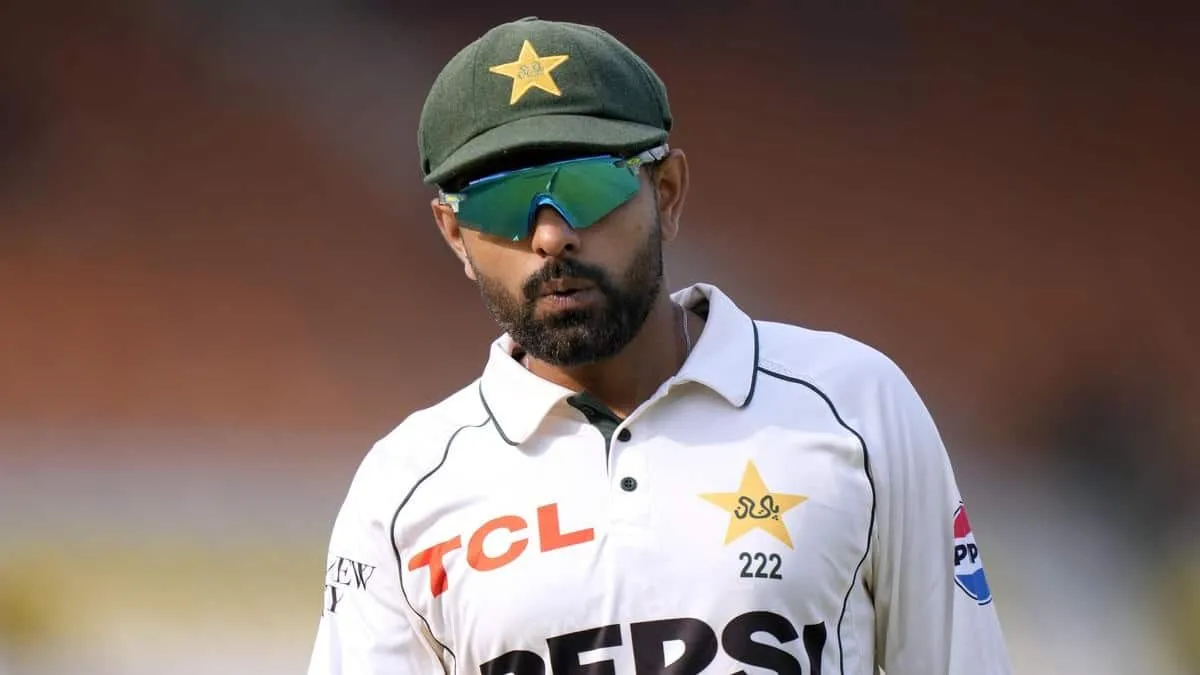
Former Pakistan cricketer Iqbal Qasim has blamed constant comparisons with Indian batting star Virat Kohli and unrealistic expectations for Babar Azam's continued struggles with the bat. Speaking on Samaa TV's Zor Ka Jor program, Qasim said the media often places excessive pressure on young players by comparing them with established international stars before they have fully developed.
The habit of pitting contemporary batters against established legends creates a heavy psychological burden. When public discourse surrounds a player's every failure or success relative to an overseas counterpart, the natural development of their career gets disrupted. Analysts often note that this kind of scrutiny alters a player's mindset at the crease, shifting their focus from natural run-scoring to silencing critics.
Qasim said Babar was a humble person who was not responsible for the attention and expectations surrounding him. However, the way fans, the media, and people around him treated him like a world-class star had created unnecessary pressure. Navigating this level of fame requires immense mental fortitude, especially in countries where cricket commands fanatical devotion and daily media debates.
The Impact of Media Pressure on Pakistan Cricketers
Qasim urged the media to stop comparing emerging Pakistani cricketers with international legends, warning that such comparisons could negatively affect their performances. The cycle of high praise followed by harsh criticism affects team morale and individual confidence across the entire sporting setup.
In high-performance sports environments, young athletes need space to learn from failures without facing intense public backlash. When media outlets and supporters label a rising talent as a finished master too early, any normal dip in form gets magnified into a crisis. This environment makes it difficult for players to experiment, adjust their techniques, or simply play their natural game.
Coaches and sports psychologists frequently warn that modern media platforms amplify every opinion. Players constantly see evaluations of their technique on television and social media, which infiltrates their preparation and match-day focus.
Technical Flaws and Vulnerability to Short-Pitched Deliveries
Beyond external pressure, Qasim also highlighted Babar's weakness against short-pitched deliveries, saying opposition teams and coaches closely analyze successful players to identify areas they can exploit. Modern international cricket relies heavily on video analysis, where opposing analysts dissect every dismissal of a top-order batter.
According to Qasim, international teams have already identified Babar's difficulty in handling short balls. He warned that bowlers would continue targeting him with bouncers if he failed to address the problem. Facing high-pace bouncers requires specific footwork, head positioning, and decision-making abilities that all elite batters must continuously refine.
When opponents find a repeatable method to challenge a batter, they persist with it until the batter proves an ability to score freely from those deliveries. Bowlers from top-tier nations possess the speed and accuracy to exploit any hesitation against the short ball, making technical adaptation an urgent priority.
Assessing Babar Azam Captaincy and Leadership Record
Despite criticizing Babar's batting, Qasim praised his captaincy during Pakistan's Test series victory over Sri Lanka. He credited the team's strong bowling and batting performances while acknowledging Babar's contribution through his tactics and field placements. Tactical acumen on the field involves setting defensive fields, rotating bowlers effectively, and maintaining composure during tight sessions of Test cricket.
Leadership in international cricket brings additional responsibilities that can sometimes interfere with personal batting form. Balancing the strategic needs of the team with the personal demands of anchoring the innings tests the resilience of any player holding the leadership role.
However, he advised Babar to focus on improving his batting, particularly with tougher challenges expected against teams such as England, Australia, New Zealand, and India. These opponents feature diverse bowling attacks capable of exploiting technical vulnerabilities across different global conditions.
The Role of Academies and Domestic Coaches
Qasim also urged academy coaches to analyze young players' performances, identify their technical weaknesses, and help them improve before opposition teams begin exploiting those weaknesses at the international level. Domestic setups serve as the first line of defense in preparing cricketers for the rigors of top-flight competition.
By fixing technical flaws early in the domestic structure, coaches save players from enduring public struggles once they reach the international stage. Thorough video reviews and specialized training sessions help batters develop reliable methods to counter bouncers, swing, and spin before facing elite global bowling attacks.