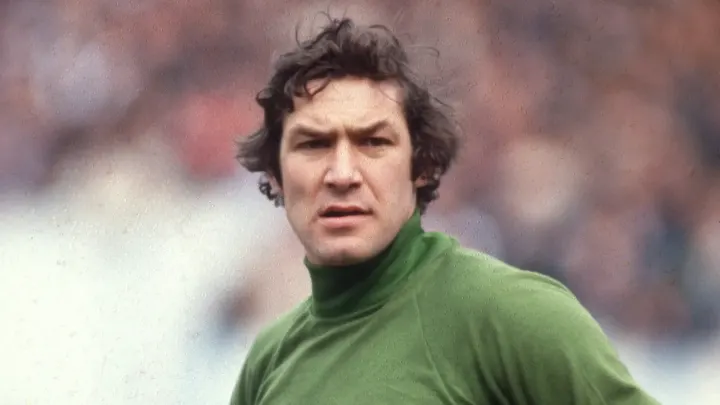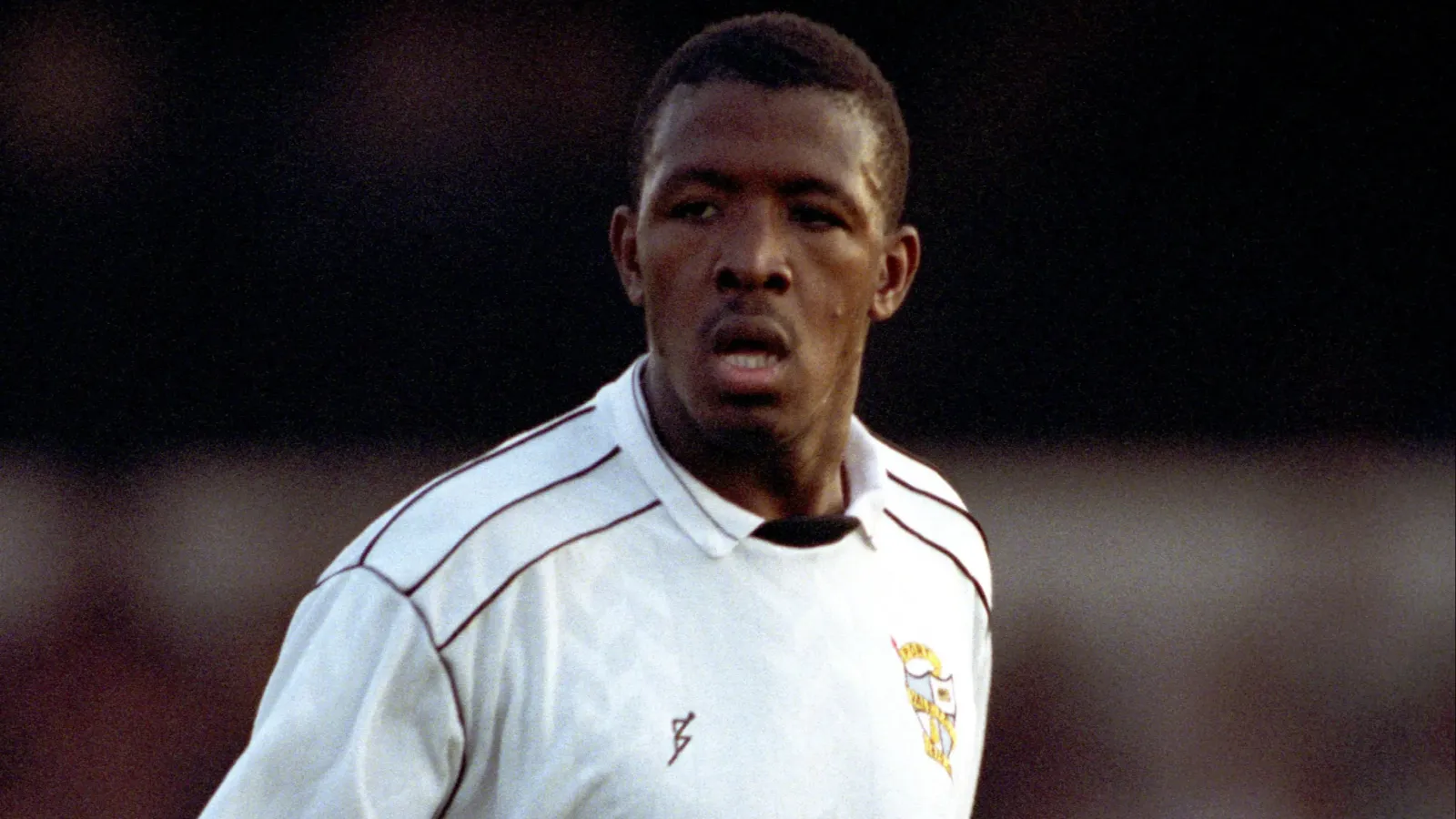
Former Manchester City forward Darren Beckford has died aged 59, prompting tributes from his former clubs and former teammates.
The ex-striker, who began his professional career at City's academy and later played for Norwich, Port Vale, Oldham and a host of other clubs, was confirmed dead earlier this week. The cause of death has not yet been confirmed.
What clubs said after the news broke
Manchester City was among the first to respond. In a statement the club said: "Manchester City is deeply saddened to hear of the passing of former City player and Academy graduate, Darren Beckford - truly one of our own. We extend our heartfelt sympathies to Darren's family and friends at this difficult time."
Oldham Athletic also posted a condolence message on its official channels: "Everyone at the club is deeply saddened to learn of the passing of Darren Beckford. Darren made 52 appearances for Latics between 1993-1996. Our heartfelt condolences go out to Darren's family, friends and former teammates at this time. Rest in peace, Darren."
Port Vale added: "We are extremely saddened to learn of the passing for former player Darren Beckford who passed away this morning. Our thoughts are with Darren's friends, family and former team mates. He will of course be forever Valiant. RIP Darren."
Career overview: From academy prodigy to journeyman striker
Darren Beckford's football journey began in the Manchester City youth system, where he earned a place in the first-team squad at the age of 16. He made his senior debut for City in 1984, a rare achievement that marked him as a promising talent in English football.
After his early breakthrough, Beckford left Manchester City for Port Vale in 1989, transferred for a fee of £15,000. At Vale, he found regular playing time and became a prolific scorer, netting 81 goals in 214 appearances. His goal-scoring record there cemented his reputation as a reliable centre-forward in the lower divisions.
In 1991 Beckford signed for Norwich City. The move gave him his first taste of top-flight football, as Norwich were promoted to the newly formed Premier League for the 1992-93 season. Beckford featured in the Premier League for the first time in 1992 and scored 13 goals in 49 league outings for the Canaries, helping the club maintain its status in the top division.
His performances attracted interest from other clubs, and in 1993 he joined Oldham Athletic, another Premier League side at the time. Beckford made 52 appearances for Oldham between 1993 and 1996, contributing to the club's fight to stay in the top tier before they were relegated.
After leaving Oldham, Beckford's career entered a period of rapid movement. He spent a brief spell with Scottish club Heart of Midlothian (Hearts) in 1996 before returning to England. The 1996-97 season saw him turn out for Preston North End, Fulham and Walsall, all within the same campaign, reflecting the itinerant nature of many professional footballers in the later stages of their careers.
Beckford finished his playing days with short stints at Southport and Bury, finally hanging up his boots in 1998. Over a 14-year career he accumulated more than 400 senior appearances and scored well over 150 goals across all competitions.
Family ties to football: Jermaine Beckford
Darren Beckford's legacy extends beyond his own achievements. He is the father of Jermaine Beckford, a forward who enjoyed a successful career with clubs such as Leeds United and Everton, and earned a cap for England in 2010. Jermaine's own rise through the ranks has often been linked to the footballing environment provided by his father.
Why the tributes matter to fans and former teammates
Tributes from Manchester City, Oldham and Port Vale reflect the respect Beckford earned at each club. For supporters, especially those who watched him score regularly for Port Vale or witnessed his Premier League debut with Norwich, the statements serve as a collective mourning and a reminder of his contributions on the pitch.
Former teammates have used social media to share personal memories, underscoring the camaraderie that exists within football circles. Such public acknowledgements help preserve the memory of a player whose career spanned multiple divisions and whose impact was felt by a wide range of clubs.
Impact on the football community
Beckford's death resonates with several groups:
- Older fans who recall his early debut for Manchester City at 16.
- Port Vale supporters who remember his 81-goal spell.
- Norwich and Oldham fans who saw him play in the Premier League.
- Younger players who view his career path as a case study of perseverance after leaving a top-flight academy.
His son Jermaine's ongoing involvement in football, now as a coach, also brings additional attention to Darren's life and career.
What comes next: funeral arrangements and legacy projects
Details of funeral arrangements have not been released by the family. The clubs that issued statements have indicated they will continue to honour his memory, potentially through moments of silence at upcoming matches or dedicated tributes on club websites.
In the longer term, fans and former colleagues may organise a charitable fundraiser in his name, a common practice when former players pass away. Such initiatives often support youth development programmes, reflecting the path Beckford took from academy prospect to professional veteran.
Practical takeaways for readers
For anyone seeking to verify the news, official club statements on Manchester City's website, Oldham Athletic's Twitter feed and Port Vale's Facebook page confirm the death and the tributes. The lack of a disclosed cause of death means speculation should be avoided until the family releases further information.
Supporters wishing to pay respects can follow the clubs' official channels for updates on memorial events. Those interested in the broader history of English football can view Beckford's career statistics on recognised databases such as the Football Association's archive or reputable sports statistics sites.
While the football world mourns Darren Beckford, his contributions across multiple clubs and his role in nurturing a second-generation professional footballer remain part of English football's rich tapestry.