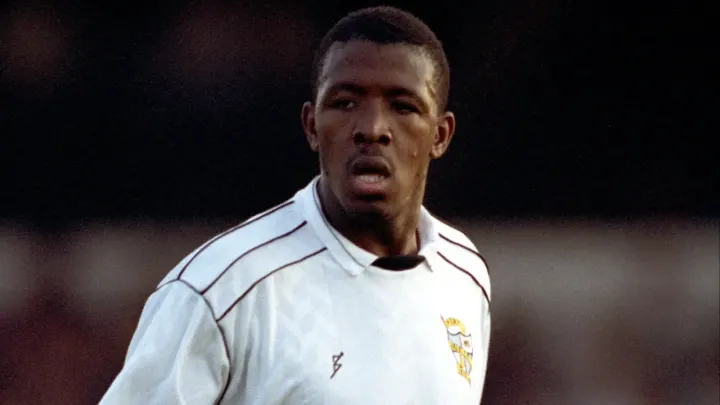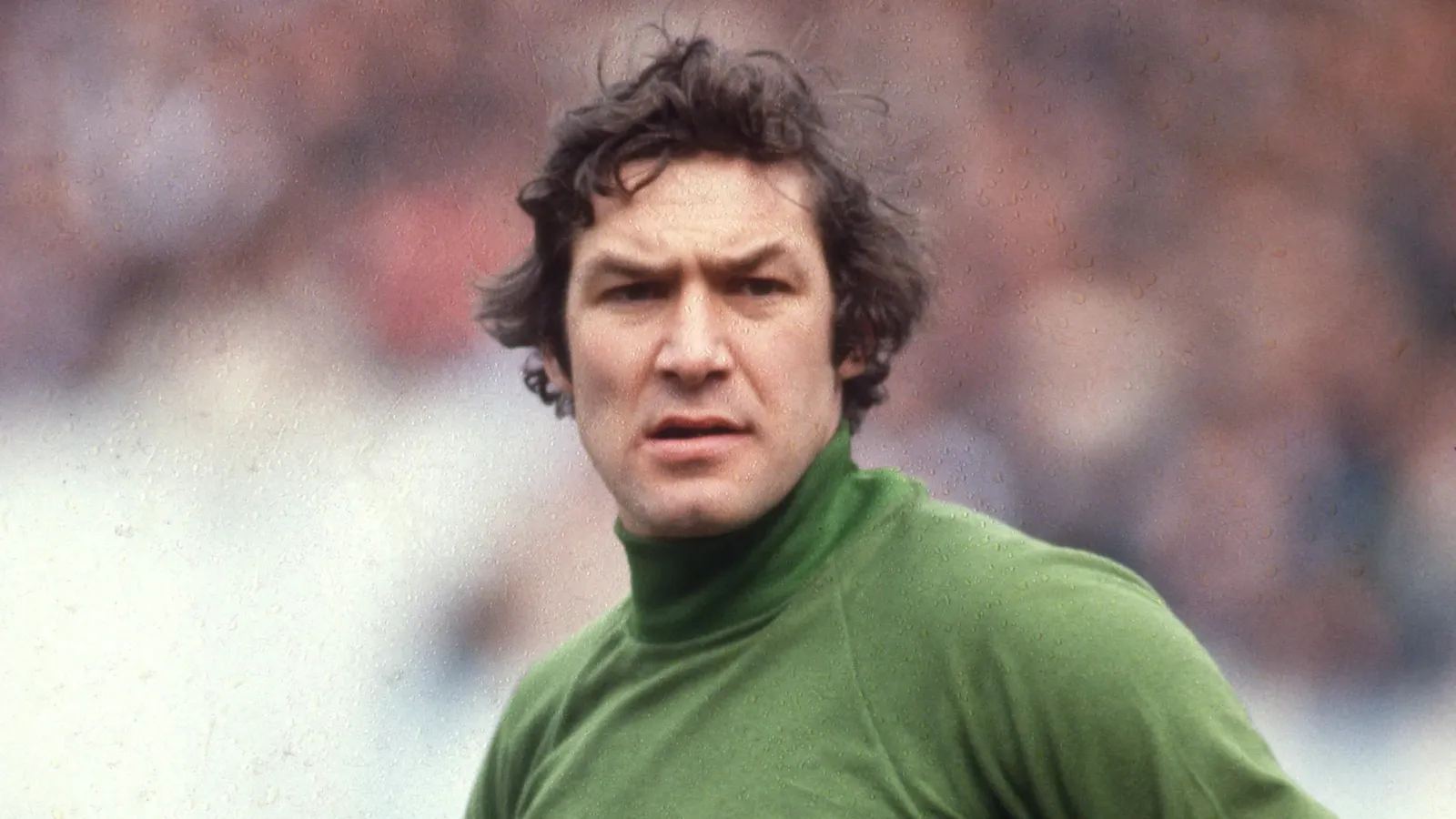
Tottenham Hotspur has announced the death of former goalkeeper Barry Daines at the age of 75. The Essex-born stopper, who made 146 league appearances for the North London club during a twelve-year career, passed away, prompting widespread tributes from former teammates and supporters who remember his dedication to the team.
Daines is fondly remembered by fans who grew up watching the club in the 1970s. He famously stepped out of the shadow of Northern Ireland legend Pat Jennings to claim the starting role, displaying loyalty and skill that secured his status as a club cult hero during an era of transition for English football.
Remembering Barry Daines and His Tottenham Career
The journey with Tottenham Hotspur began for Barry Daines in 1969 when he joined the club as an apprentice. English football academies and youth structures operated differently during this era, requiring young hopefuls to earn their stripes through rigorous training, reserve team matches, and patience before catching the eye of first-team managers.
Over his twelve-year spell with the North London club, Daines established himself as a reliable presence within the squad. While many modern players demand immediate starting berths, Daines demonstrated traditional commitment by waiting for his opportunity, working quietly behind the scenes, and maintaining high standards whenever called upon.
His contributions culminated in 146 league appearances before his eventual departure from White Hart Lane in 1981. During these years, he witnessed various shifts in team dynamics, managerial approaches, and the changing culture of top-flight football in England.
Stepping Into the Shadow of Pat Jennings
A defining aspect of the career of Barry Daines involved spending much of his time as the understudy to Pat Jennings. Jennings, widely regarded as one of the greatest goalkeepers in the history of the sport, held the number one jersey at Tottenham with immense authority after arriving from Watford in 1964.
Serving as backup to a legendary figure presents a unique challenge for any professional athlete. Training alongside a master of the craft allowed Daines to hone his shot-stopping abilities, positional awareness, and mental resilience, even if competitive playing time was difficult to secure while Jennings remained fit and in form.
The landscape of North London football shifted dramatically in 1977 when Jennings made the controversial and high-profile switch across the borough to join arch-rivals Arsenal. That departure left a massive void between the posts at Tottenham, forcing the coaching staff to look closely at the depth within their existing squad.
The Breakthrough Season and Taking the Number One Jersey
Following the departure of Pat Jennings, Barry Daines seized the opportunity to become the undisputed starting goalkeeper for Tottenham. The transition demanded immense courage, as replacing a beloved club icon brought immediate scrutiny from supporters and media alike.
Daines answered those doubts emphatically by featuring in all 42 league matches during the season immediately following the exit of Jennings. Playing every minute of a grueling campaign proved his physical durability and temperament, silencing critics who wondered how the club would cope without their former Northern Ireland star.
That stellar campaign cemented his place in the affections of the fanbase. Supporters who watched him command his penalty area during those demanding fixtures developed a deep respect for his steady handling, bravery at the feet of onrushing forwards, and unwavering commitment to the shirt.
Departure from North London and Career in Hong Kong
After more than a decade of service to Tottenham Hotspur, the career of Barry Daines reached a milestone in 1981 when the club granted him a testimonial match. Testimonials serve as official recognition from the club and its supporters for long-serving players, celebrating their loyalty and contribution to the history of the institution.
Following his departure from North London upon the conclusion of that testimonial year, Daines did not immediately retire from the sport. Instead, he embarked on a new chapter abroad, spending two years plying his trade in Hong Kong before hanging up his professional gloves.
Playing overseas during the twilight of a career offered different cultural and athletic experiences. Daines adapted successfully to the environment in Hong Kong, bringing English top-flight defensive organization and experience to the region before stepping away from active competition.
Tributes Pour In From Teammates and Devoted Fans
News of the passing of Barry Daines prompted an official statement from Tottenham Hotspur on Sunday. The club shared a message acknowledging the sadness felt throughout the organization regarding the loss of their former player.
The club wrote in their published statement: "We are deeply saddened to learn of the passing of our former goalkeeper Barry Daines, aged 75. The thoughts and love of everyone at the Club are with Barry's family and friends at this difficult time. Rest in peace, Barry."
Former teammates quickly added their voices to the chorus of remembrance. Micky Hazard, who shared the pitch with Daines during their time together at the club, posted a heartfelt tribute on social media reflecting on their friendship and shared memories.
Hazard wrote: "Very sad to hear of the passing of the lovely Barry Daines, my thoughts and prayers are with his family and friends at this very sad time. Rest in Peace Barry and go do some shotstopping in the sky."
Supporters who watched Daines from the stands also shared their grief and nostalgic memories online. One fan posted: "That's very sad. He was keeper when I first became a Spurs fan as a kid in the 70s. Had a hard job following the great Pat Jennings. Thoughts to his loved ones."
Another supporter added: "My first Spurs keeper as a kid, so Barry always held a special place in my heart, RIP Barry!" These reflections highlight how deeply the goalkeeper touched the lives of young matchgoers who watched him represent their club during an unforgettable decade of football.