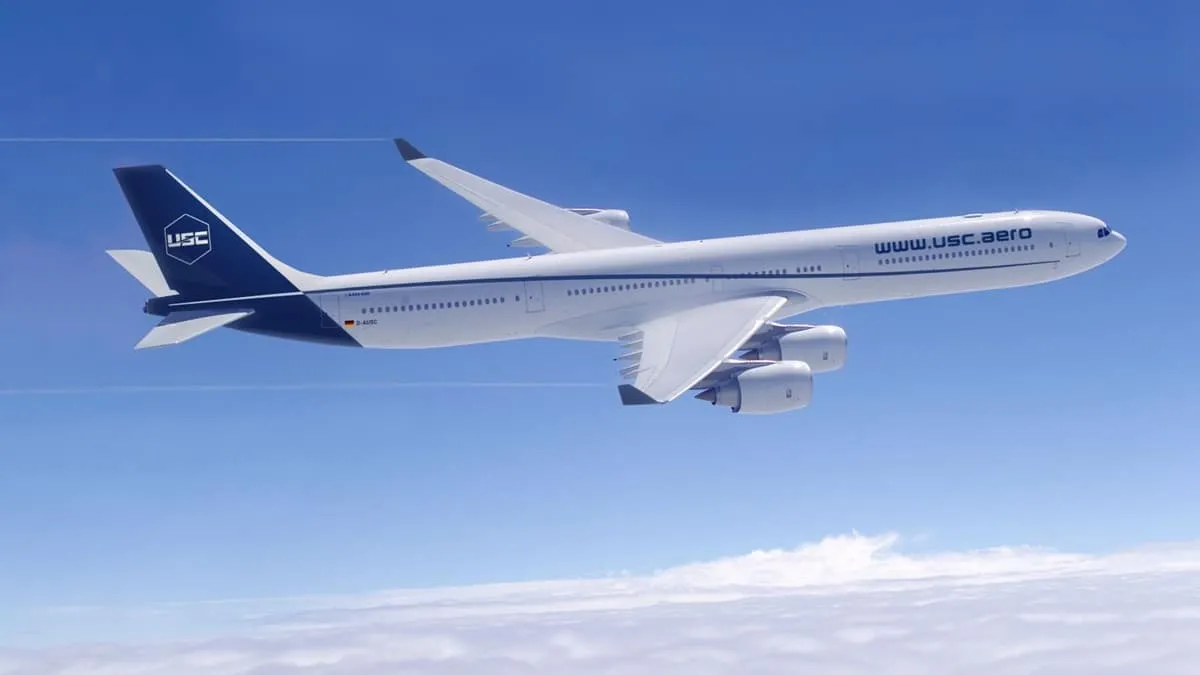
German Airline USC GmbH Receives Initial Clearance for Direct Flights to Pakistan
German airline USC GmbH is planning to launch direct flights to two major Pakistani cities after receiving initial regulatory clearance from the Civil Aviation Authority (CAA). This development marks a notable shift in international air corridors connecting Central Europe with South Asia. International aviation watchdogs and local tourism promoters have monitored similar route expansions closely over past decades, as direct links often serve as catalysts for deeper economic cooperation.
According to reports, the CAA has accepted the German airline's nomination, marking a key step toward the launch of flight operations between Pakistan and Germany. Regulatory acceptance of a foreign carrier nomination involves stringent evaluations of safety protocols, fleet standards, and financial viability. Aviation authorities maintain strict oversight to ensure that incoming international carriers meet domestic and international safety compliance benchmarks before entering the national airspace.
How the Civil Aviation Authority Process Works
The Civil Aviation Authority acts as the principal regulator for all civil aviation activities within Pakistan. When a foreign carrier like USC GmbH seeks to enter the market, it must submit formal nominations and undergo exhaustive administrative reviews. The initial clearance means the airline has satisfied the preliminary criteria set by the regulator. However, securing this foundational approval is only the first phase in a multi-step authorization procedure.
According to the airline's management, the remaining operational approvals will be secured before regular flights begin. These subsequent phases typically involve slot allocations at destination airports, security clearances for ground handling personnel, and finalization of ticketing and passenger service agreements. The airline's destinations in Pakistan, flight schedules, and official launch date have yet to be disclosed to the public.
Impact on the Local Aviation Market and Competition
The airline's entry into Pakistan is expected to increase competition in the local aviation market and improve air connectivity between the two countries. Historically, routes between Pakistan and European destinations have experienced fluctuations in carrier availability, leaving passengers with limited choices for direct travel. Increased carrier presence often leads to competitive pricing structures, better service quality, and more flexible scheduling options for travelers flying between the two regions.
Improved air connectivity also benefits the large diaspora communities residing in Europe who maintain strong personal and professional ties to Pakistan. Direct routing reduces total travel time, bypassing the layovers typically required on connecting flights through Middle Eastern or European hubs. Business travelers stand to gain from more reliable transit schedules, which facilitate tighter coordination for cross-border trade, corporate meetings, and industrial partnerships.
Broader Economic Benefits and Investment Opportunities
The development could also create investment opportunities in tourism, aircraft leasing, and ground handling, while generating employment opportunities for local workers. When a major international carrier establishes a new route, demand rises for ancillary services at local airports. Ground handling agencies, catering businesses, and aircraft maintenance providers all experience an uptick in commercial activity to support the incoming flights.
Tourism stakeholders anticipate that direct flights from Germany will encourage more European travelers to visit tourist destinations within Pakistan, ranging from northern mountain ranges to historical cultural sites. Increased tourist inflows stimulate hospitality revenues, supporting hotels, tour operators, and regional craft vendors. Furthermore, the presence of a European carrier operating within the market signals confidence to foreign investors examining various sectors of the national economy.
What Comes Next for USC GmbH Operations
As USC GmbH works toward finalizing its operational framework, industry observers are tracking the timeline for subsequent announcements. The airline has not yet revealed which specific cities will host the incoming flights, though initial reports indicate two major urban centers have been selected. Detailed schedules and ticketing availability will follow once the final regulatory instruments and airport coordination tasks are completed by the management team.
Passengers and industry analysts should watch for official updates from the airline regarding its finalized timetables and destination specifics. While the initial regulatory clearance provides a solid foundation, the actual commencement of flights depends entirely on the successful completion of remaining administrative steps with the Civil Aviation Authority and airport operators.