Why the Government Increased the Wheat Import Ceiling
The federal government has increased Pakistan's wheat import ceiling by 150 percent to 2.5 million tons for 2026-27, turning to foreign supplies as local farmers continue to face difficulties selling their produce at profitable prices. This policy shift marks a significant adjustment in national agricultural and food security planning. The decision emerged from a high-level administrative review aimed at balancing domestic supply needs with international market mechanisms. By raising the threshold from the previous limit of 1 million tons, federal authorities intend to secure adequate grain reserves for the upcoming seasons.
The Economic Coordination Committee (ECC), chaired by Finance Minister Muhammad Aurangzeb, approved the increase in principle on Friday, raising the previous import ceiling from 1 million tons. The decision will be sent to the federal cabinet for ratification. Such formal ratification is required before the policy becomes fully operational and administrative bodies begin executing trade agreements with international suppliers.
Provincial Demand and Changing Requirements
The move comes after provincial governments revised their combined wheat import requirements from an initial 750,000 tons to 550,000 tons before raising them again to approximately 1.7 million tons amid rising wheat and flour prices. These fluctuations highlight the complex nature of grain forecasting and regional consumption patterns across the country. Administrative units continuously assess their local reserves, population growth, and market stability to determine precise procurement figures.
Punjab has requested 950,000 tons, Sindh 450,000 tons, subject to confirmation, and Khyber Pakhtunkhwa 300,000 tons. Balochistan's requirements will be met through available PASSCO stocks. This distribution reflects the varying agricultural output and consumer demand across different administrative territories, ensuring that each region receives adequate allocation based on its specific deficit calculations.
Challenges Facing Local Farmers and Domestic Procurement
The latest decision also comes after Punjab struggled to meet its domestic wheat procurement target under its private-sector procurement model, raising questions about the government's ability to support local farmers and manage domestic supplies. Growers across the agricultural belt have reported severe financial losses due to low market prices and difficulties in offloading their harvested crops. When domestic buyers fail to purchase local yields at rates that cover production costs, farming communities experience long-term economic distress.
Agricultural experts note that government intervention in grain markets traditionally protects cultivators from sudden price crashes. However, shifting toward private-sector procurement models has introduced new variables into the supply chain. Critics point out that when private buyers hold back, farmers find themselves vulnerable to exploitative pricing, which discourages future cultivation and reduces national food self-sufficiency.
Operational Framework and Financial Responsibilities
ECC has allowed imports of up to 2.5 million tons to provide flexibility in meeting provincial demand and addressing potential shortages. However, the actual quantity imported will depend on confirmed requirements and market conditions. This conditional flexibility ensures that the state does not overspend on foreign grain if local supplies improve unexpectedly.
Provincial governments will bear the entire cost of imported wheat, including procurement, freight, insurance, transportation, port charges, taxes and duties. They will also have to arrange advance payments or appropriate banking facilities. This financial structure places the primary fiscal responsibility on regional administrations rather than the federal treasury, requiring careful budgetary planning at the provincial level.
Logistics and Oversight Mechanisms for Grain Deliveries
The committee has approved priority berthing for wheat-carrying vessels to speed up deliveries and minimise additional costs. Port congestion often leads to demurrage charges, which increase the overall expenditure associated with food imports. Expedited clearance at ports ensures that shipments move swiftly into distribution networks.
The Ministry of National Food Security and Research will handle the program's day-to-day implementation, while a steering committee headed by the Deputy Prime Minister will oversee the overall process. This dual-layer oversight aims to maintain transparency and coordinate administrative actions across multiple ministries and provincial departments.
Measures to Stabilize Prices and Prevent Market Manipulation
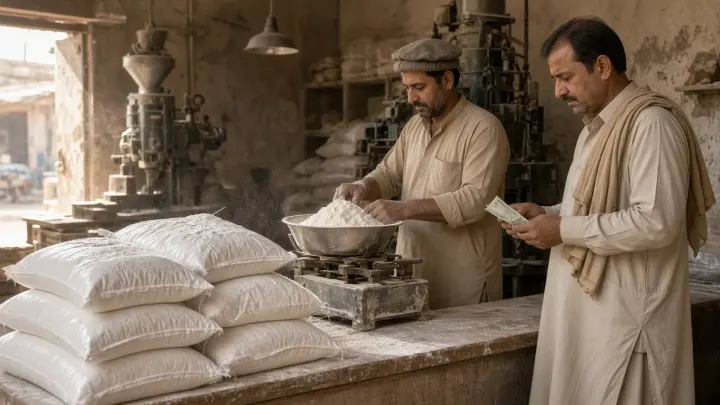
Finance Minister Muhammad Aurangzeb directed authorities to ensure adequate supplies, manage public stocks and prevent speculation and market manipulation to stabilise wheat and flour prices. Unscrupulous traders often exploit supply shortages by hoarding grain, driving up costs for ordinary consumers who rely on staple food items.
Regulatory bodies have been instructed to monitor market inventories closely and penalize entities engaged in artificial price inflation. Maintaining stable flour prices remains a top priority for economic administrators seeking to curb inflation and protect purchasing power for households across the nation.