Gia Binh International Airport: Vietnam's New £5.72 Billion Aviation Hub
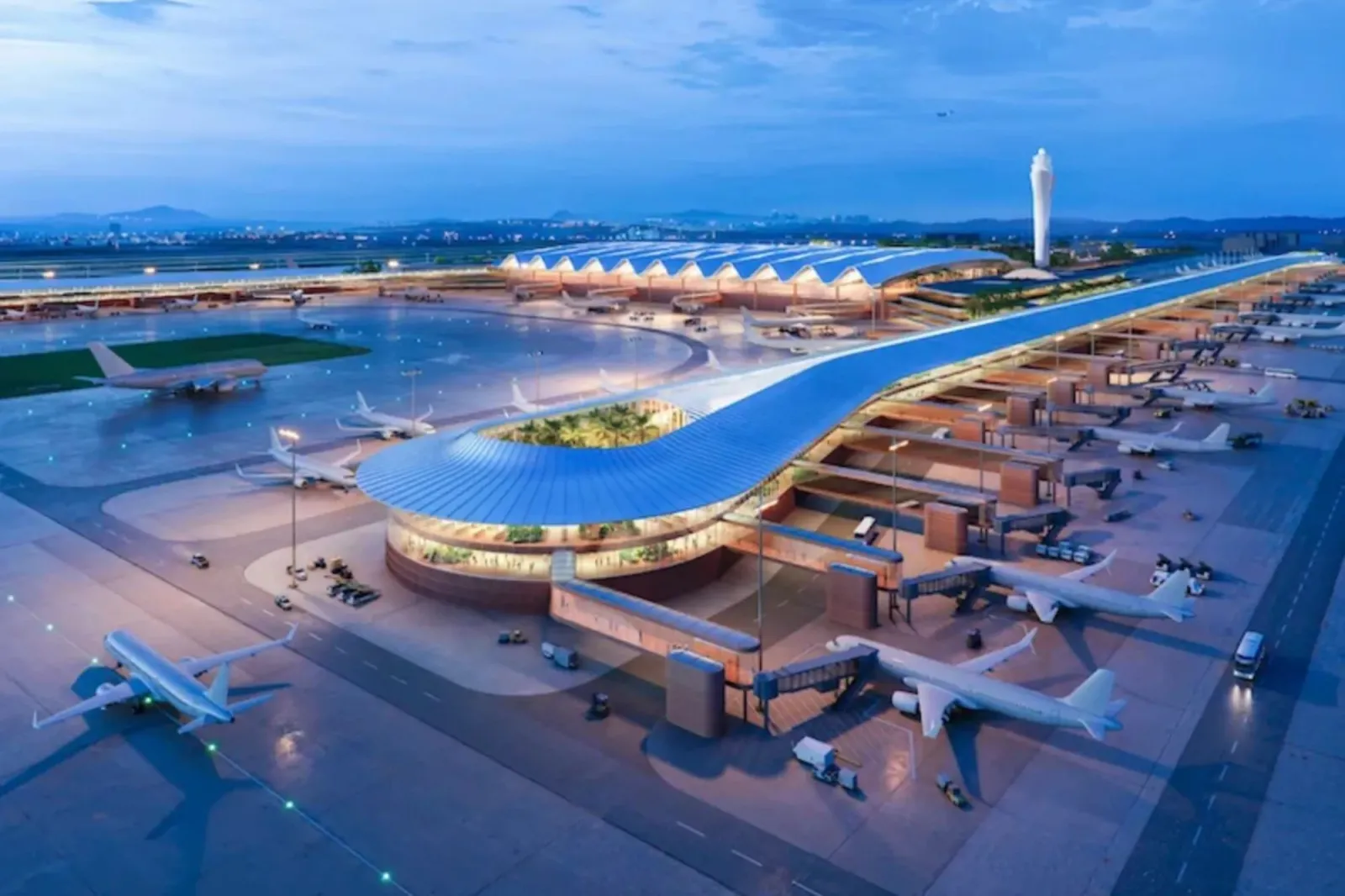
A massive aviation project is currently taking shape in Southeast Asia to transform travel connectivity in the region. Gia Binh International Airport is under construction in the Bắc Ninh province in Vietnam at the cost of £5.72 billion. The huge project is being designed to give northern Vietnam more capacity and connections around the world. Construction on the massive facility broke ground in August 2025, and the airport is scheduled to open sometime during 2027.
Vietnam is becoming increasingly popular as a global tourism and transit hotspot. Air travel in the country reached a record 83.5 million passengers in 2025. The country welcomes 21.2 million international visitors with a target of as many as 50 million every year by 2030. The new transport hub will support this rapid growth by handling millions of additional travelers each year.
Runway Specifications and Infrastructure Plans
Plans reveal Gia Binh International Airport will have two runways in its initial phase, which will later increase to four. The infrastructure has been designed specifically for wide-body aircraft, including the Boeing 777 and Airbus A380, which are used for long-haul flights. This capability ensures the facility can accommodate the largest commercial planes currently operating on global routes.
The layout of the airfield reflects long-term projections for passenger and cargo growth. By accommodating wide-body jets from day one, the airport positions itself as a primary gateway for transcontinental flights arriving in northern Vietnam. Local authorities and planners expect the massive airfield layout to prevent congestion as passenger numbers climb over the coming decades.
Domestic and International Flight Routes
As for where it will fly to and from, plans for the airport include 17 domestic routes between the north and south of the country, including Ho Chi Minh City and Da Nang. By the year 2050, the amount of domestic routes is expected to grow to 28 destinations. These internal connections will link northern provinces directly with major commercial and coastal centers.
International routes are expected to begin in 2030. For travelers from the United Kingdom, it could be a new gateway into Vietnam as it also hopes to add six routes to and from Europe, although exact cities have not been specified yet. The other international routes include 60 destinations in Asia and three in the Middle East. In the long term, part of its plan is to add 26 further international markets, with a priority on Europe.
Affordability and Tourism Appeal in Vietnam
Beyond the aviation infrastructure, Vietnam is also considered one of the cheapest countries in the world for travelers. According to Wise, the average cost of a meal at a restaurant is £1.43, with the cheapest being 86p. The price of a local beer can be as little as 43p, and a coffee can be bought for 57p. These low daily living expenses attract backpackers, families, and luxury tourists alike.
When Business Affairs Editor James Flanders visited last year, he found beers for £1 and visited the well known Train Street. Here, a train trundles down a narrow alley so close to the tiny cafes that visitors can feel the rush of air when the carriages whoosh past. Such unique cultural experiences contribute to the soaring popularity of the destination among international visitors.
Travel Connections From the United Kingdom
Travelers planning a trip from the UK currently have straightforward options to reach the region. From the UK, Vietnam is reachable in up to 13 hours with a direct route. Most Brits will fly directly from London Heathrow into Hanoi or Ho Chi Minh City.
Once the new facility in the Bắc Ninh province completes its international rollout, UK travelers will gain an alternative entry point into the country. The future European routes scheduled for 2030 could introduce more direct or connecting choices for British tourists heading to Southeast Asia. Until then, existing major airports handle the steady stream of visitors arriving from European hubs.