Gold Prices in Pakistan Record Major Drop
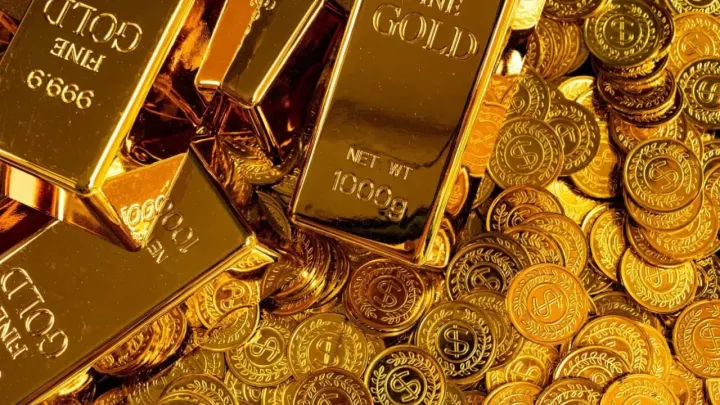
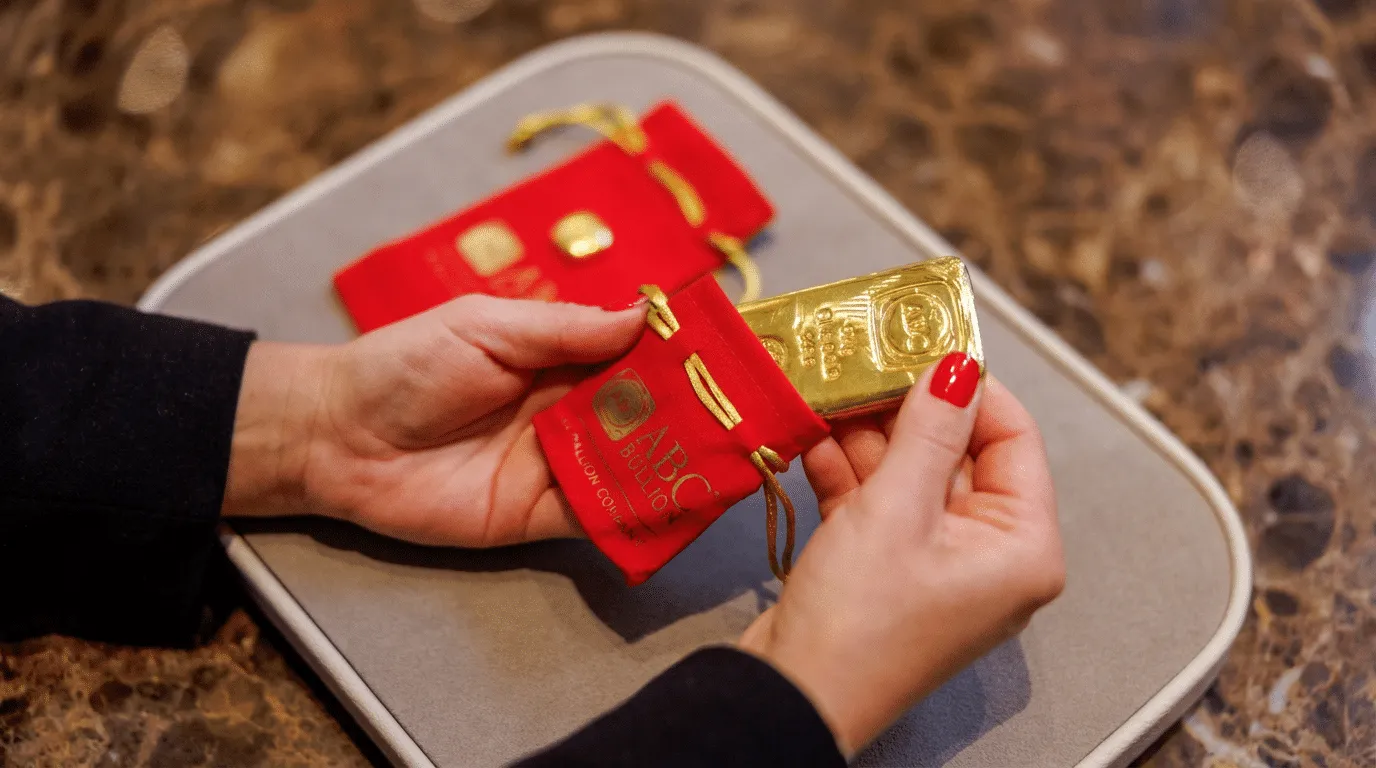
Gold prices in Pakistan reversed gains on Wednesday, with the price of one tola falling by Rs. 11,500 to Rs. 373,936 as the metal fell in the international market. This sudden shift brings relief to some buyers while causing a notable correction in the domestic bullion sector after previous upward trends. Market participants closely monitor these fluctuations as precious metals react to shifting economic indicators worldwide.
The price of 10-gram gold decreased by Rs. 9,860 to Rs. 320,589, according to rates shared by the All-Pakistan Gems and Jewellers Sarafa Association (APGJSA). Such sharp adjustments highlight the tight integration between domestic Sarafa markets and international commodities trading platforms.
Consumers who postponed purchases during previous rallies find themselves reassessing their budgets as retail rates adjust downward. Market analysts observe that domestic demand often surges temporarily when significant price corrections occur in local Sarafa markets.
Jewellery businesses across major cities must update their inventory valuation immediately to reflect the new market reality. Small and medium retail shops depend on these official bulletins to maintain fair trading practices with walk-in customers.
Global Gold Down $115 Per Ounce
The local drop tracked global markets, where the international rate of gold went down by $115 to $3,514 per ounce. International bullion values dictate the baseline cost for domestic traders who import or price precious metals according to global benchmarks. When foreign exchanges experience sell-offs or profit-taking, local rates adjust rapidly to reflect the new realities of supply and demand.
Analysts watching the global commodities space note that international pricing directly influences local market sentiment. Investors often reallocate portfolios during such price corrections, impacting bullion vaults and retail shops across the country.
Foreign exchange fluctuations and broader macroeconomic policies dictate how international bullion trades on any given business day. Central bank reserves and currency valuations play a heavy hand in driving these massive per-ounce shifts across world exchanges.
Traders sitting in international financial hubs execute large-scale sell orders that ripple down to local retail markets within hours. This interconnectivity means that events occurring thousands of miles away dictate the daily cost of wedding ornaments in local neighborhoods.
Silver Slips Alongside Gold Rates
Silver moved down as well, following the broader downward trend seen in precious metals. The price of silver per tola fell by Rs. 224 to Rs. 4,463. While silver typically trades at a lower volume than gold, industrial and retail demand keeps it sensitive to international price shifts.
Retail buyers often purchase silver as an alternative investment when gold reaches prohibitive price points. The simultaneous drop in both metals provides a broad correction across the precious metals category.
Industrial sectors that rely on silver for manufacturing components also feel the effects of these pricing adjustments on raw material acquisition. Fabricators monitor these daily rates to control production overhead and manage supply chain budgets effectively.
Precious metal dealers report that retail interest in silver picks up during periods when gold requires capital outlays that exceed average household savings. Both metals remain cornerstones of traditional domestic wealth preservation across the region.
Understanding the All-Pakistan Gems and Jewellers Sarafa Association
The All-Pakistan Gems and Jewellers Sarafa Association (APGJSA) serves as the primary body responsible for issuing daily gold and silver rates in the country. Sarafa markets rely on these official figures to ensure uniform pricing across various cities and trading hubs. Jewellers and bullion dealers depend on APGJSA bulletins to conduct daily business transactions transparently.
When international markets open and close, association representatives calculate local taxes, import parity, and currency exchange rates to set domestic prices. This system ensures that local consumers buy and sell at rates reflective of current global economic conditions.
Establishing standardized daily rates prevents pricing fragmentation across different provincial markets and trading bazaars. Association officials maintain communication channels with regional Sarafa bodies to broadcast updated figures as soon as international benchmarks settle.
The operational framework of the APGJSA dates back decades, evolving alongside modern telecommunications and globalized commodity exchanges. Transparency in rate setting helps maintain consumer confidence in domestic precious metal investments.
Impact on Local Consumers and Jewellers
A price reduction of nearly Rs. 12,000 per tola alters the purchasing power for everyday citizens looking to buy wedding jewellery or invest savings. Retail jewellers often experience fluctuating customer foot traffic during sharp corrections as buyers try to time their market entry. Higher volatility requires shop owners to adjust their inventory valuations frequently to manage risk.
Investors holding physical gold see the paper value of their assets shift overnight during such corrections. Long-term holders typically view these movements as temporary fluctuations within a broader macroeconomic cycle.
Families planning upcoming marriage ceremonies often use such price drops to secure necessary gold sets without overextending household finances. Retail merchants notice increased inquiries from budget-conscious buyers whenever market indices trend downward.
Economic planners track domestic gold consumption closely because precious metals absorb significant household capital that might otherwise flow into other financial instruments. Understanding these retail dynamics provides insight into broader consumer health and savings habits.