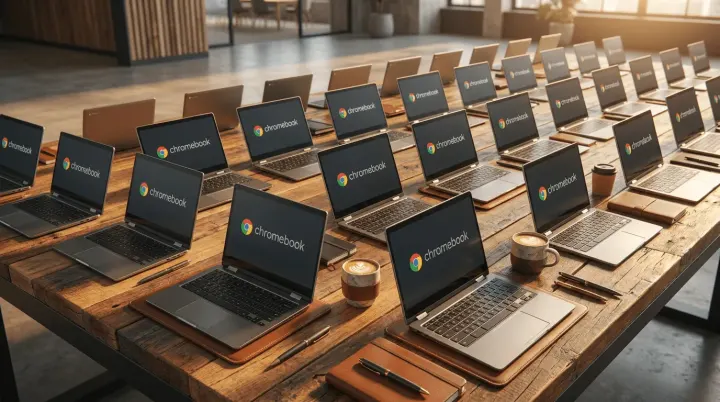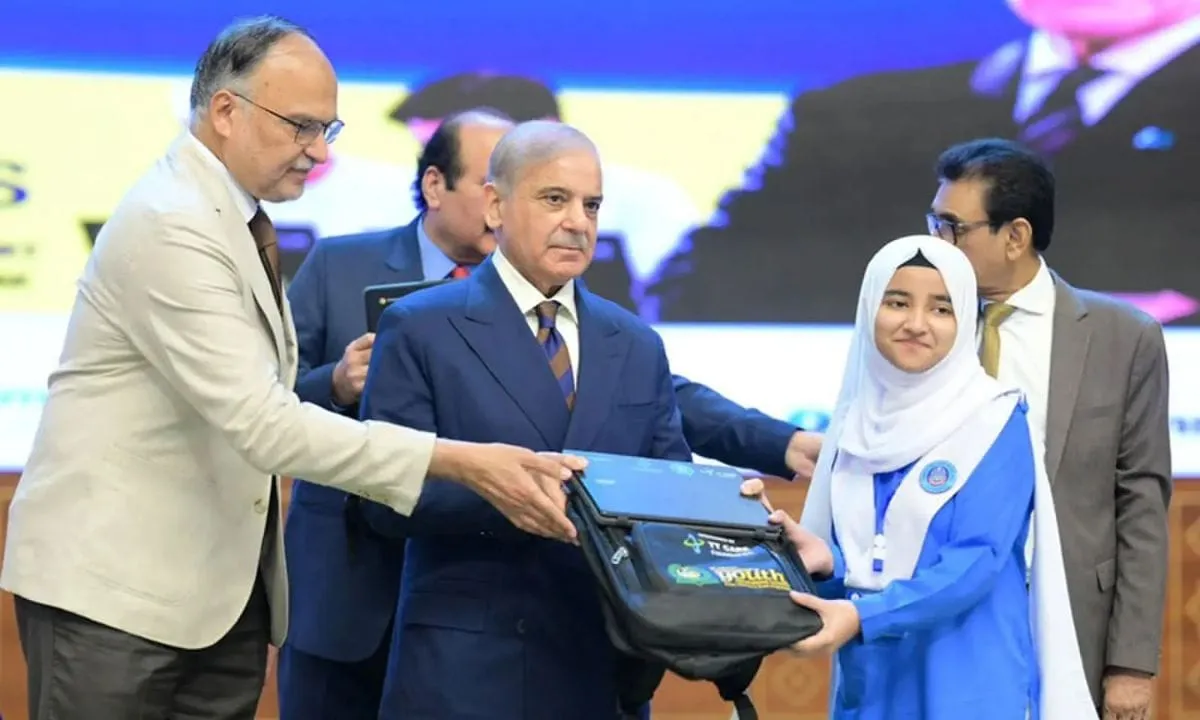
Prime Minister Shehbaz Sharif on Sunday unveiled a nationwide scheme to provide 500,000 Chromebook laptops and MiFi internet units to eligible students and high achievers.
Addressing the launch event, he said the Chromebooks would be allocated strictly on merit and the whole distribution would be finished within two years. The programme, he added, seeks to prevent financial limits from blocking students' access to modern education and digital tools.
He emphasized that furnishing youth with contemporary educational equipment is a core duty of the government and a vital move toward a prosperous, knowledge-based Pakistan. The initiative, he noted, will give learners from varied backgrounds better chances to use digital resources and compete in a technology-driven world.
Sharif recalled that the former PML-N administration had handed out 600,000 laptops nationwide over a decade, helping students continue studies and acquire skills, especially during the Covid-19 pandemic.
The current plan pairs devices with internet connectivity, allowing students to tap e-libraries and other online resources. The MiFi service is expected to also aid family members, extending benefits to an estimated 2.5 million people.
The scheme is being rolled out with the Tokyo Technology Care Foundation (TT Care), whose representatives attended the ceremony.
He also mentioned recent steps to broaden educational infrastructure, citing the inauguration of a Daanish School in Islamabad and the building of 27 new campuses across the country. Investment in education, digital skills and human development, he said, is essential to ready the youth for global economic demands.
The event showcased students who have excelled despite hardship, such as Syed Shams Raza, an orphan whose father was a martyr, and Alma Mahak Sabir, a madressah pupil. Both thanked the government for the recognition and the chance to benefit from the scheme. Sharif noted that earlier laptop programmes had also reached students from prominent religious seminaries.
Federal Minister for Education Khalid Maqbool Siddiqui said the government is working to boost Pakistan's international standing by adapting to evolving educational trends and technology. He stressed that turning the country's roughly 150 million young people into a productive national asset is key to ensuring the youth become a driver of economic and social progress.