The U.S. military currently employs about 1,600 working dogs for bomb detection, patrol and search duties, but over 80% of them are sourced from European breeders and fewer than half complete training. A Texas startup named Warhound has just secured $200 million to address this supply gap through gene editing.
According to the company's website, "For generations, working dogs have protected America's police officers, firefighters, search-and-rescue teams, and warfighters. Warhound is developing technology to advance their health, safety, and performance, combining licensed technology from Colossal Biosciences and Anduril. Animal welfare is central to that mission, with American Humane certification supporting our commitment to the care and well-being of every dog."
Warhound intends to apply Colossal Biosciences' gene-editing tools to breeds such as Belgian Malinois and German Shepherds, aiming to eradicate conditions like hip dysplasia that shorten service lives. The plan also includes enhancing speed, agility and scent detection, and possibly inserting wolf-derived genes to improve bomb-detection ability. Colossal is better known for de-extinction projects such as the dodo and mammoth.
"The idea is, if we make the dog safer, make it healthier, make it perform better, it's going to perform better in the line of duty," Colossal Biosciences' Ben Lamm told media.
Lamm added that Anduril's contributions will protect dogs beyond genetics, saying the enhancements will sit "on top of the dog, not in the dog" and also better safeguard human handlers.
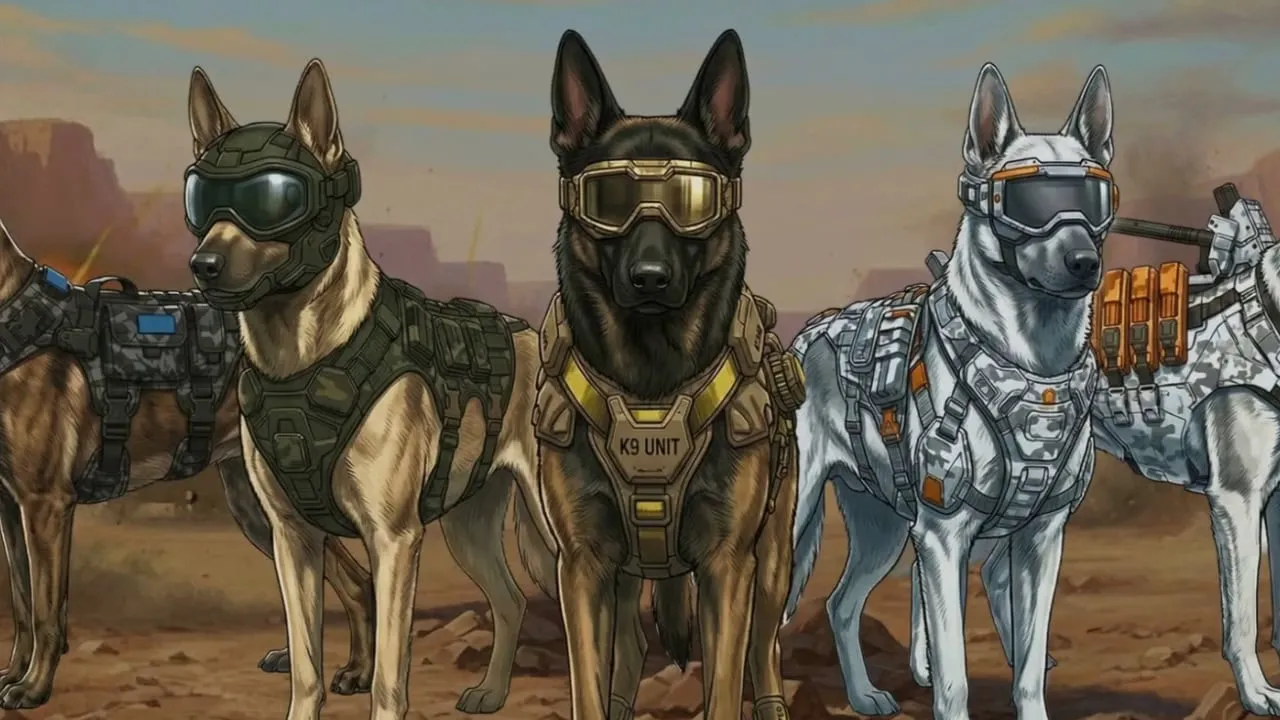
Partnering with defense firm Anduril, Warhound will equip dogs with protective gear, including armored vests, data sensors, and eye and ear shields. The equipment remains external, allowing handlers to receive real-time mission data while the dogs operate.
The heavy dependence on overseas breeders creates a bottleneck that hampers rapid scaling of military dog programs. To counter this, Warhound aims to establish a domestic cloning and breeding pipeline, using ViaGen, a cloning company owned by Colossal, for the cloning step.
The process begins with collecting blood from elite service dogs, applying gene edits, then cloning. The first litters are expected in early 2027, with dogs potentially entering active duty about two years later.
The American Humane Society will certify the training regimen and assist in placing retired dogs with former handlers or arranging adoptions after service.
"We applaud Warhound and Colossal for inviting the country's first national humane organization, which is grounded in science and ethics, to have a seat at the table. We look forward to working with them to help ensure the animals in their care are treated humanely," American Humane Society said about the startup efforts.
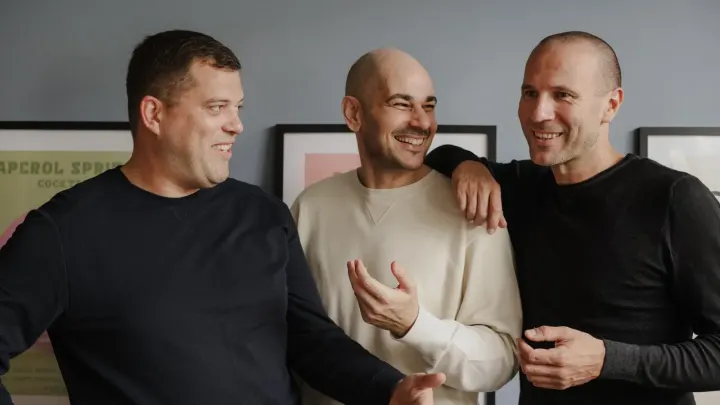
Ben Lamm of Colossal Biosciences and Palmer Luckey of Anduril co-developed the concept. The company is led by CEO David Spirk, a former military intelligence analyst. Warhound already carries a $1.2B valuation backed by investors including Sequoia Capital, 8VC, Corner Ventures and the CIA-linked In-Q-Tel.