Hogwarts Legacy DLSS 5 Update Details and Release
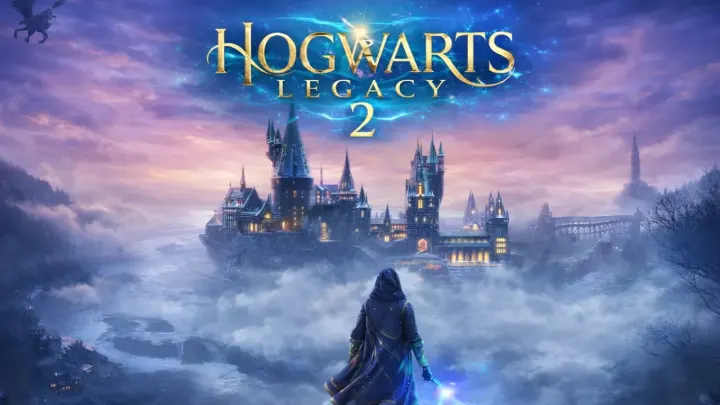
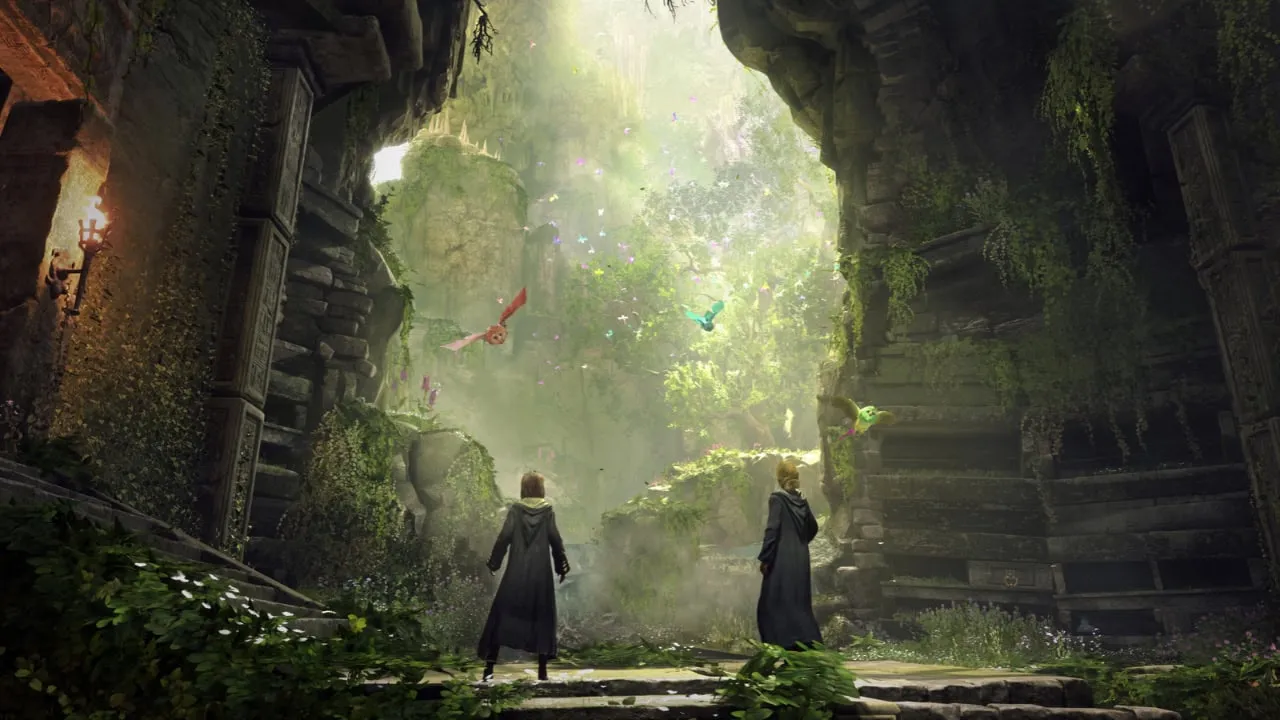
Over three years since its original release, Hogwarts Legacy is getting a major visual upgrade. Today, November 5, players can download a brand-new DLSS 5 update for Hogwarts Legacy. This update is entirely free. It enhances the game lighting and textures. Players can experience an even more magical journey as they explore the award-winning title.
NVIDIA GeForce recently provided an early teaser of this highly anticipated patch. Now, the update is officially live. The DLSS 5 update targets environmental aesthetics. It improves lighting and textures across the iconic Hogwarts School of Witchcraft and Wizardry. It also enhances surrounding environments like the bustling village of Hogsmeade.
The update features accelerated DLSS 5 multi-frame generation. Players will experience an increase in FPS capabilities. NVIDIA claims these enhancements will elevate overall image quality, realism, and immersion. The title originally launched to massive commercial success, capturing the attention of millions of players worldwide who immersed themselves in the open-world magical adventure set in the nineteenth century.
As time passed, the community requested ongoing support and fresh content additions. While developer updates were sparse immediately following the initial rollout, this technical patch arrives to refresh the aging code base. Fans returning to the castle will find familiar corridors rendered with modern technical precision. Every portrait, stone wall, and spell effect benefits from the upgraded rendering pipeline.
How Neural Rendering Boosts Performance
To enjoy these new visuals, players must navigate to the in-game graphics settings. There, they can select a brand-new option called "Neural Rendering". This feature uses an updated DLSS 5 AI model. It uses AI-generated frames to increase visual quality. It accomplishes this without adding extra strain on native rendering performance.
NVIDIA states that this Neural Rendering AI model actively reduces VRAM usage at higher fidelities. Gamers get improved visual effects while using lower overhead processing power across various PC builds. This technological leap represents a shift in how modern video games handle high-resolution assets and complex lighting calculations without melting user hardware.
Ray tracing features and global illumination algorithms often demand heavy computing resources from a personal computer. By shifting part of the workload to dedicated tensor cores running specialized artificial intelligence networks, the software bypasses traditional bottlenecks. Players running mid-range configurations can push higher resolutions without suffering severe frame drops during intense magical combat sequences or fast broomstick flights across the Scottish highlands.
The implementation of neural rendering also addresses texture shimmering and ghosting artifacts that occasionally plagued earlier reconstruction techniques. Edges appear sharper, and shadows cast by torches inside the common rooms look natural and deep. The development team worked closely with hardware engineers to ensure that the integration feels native rather than tacked on, giving users granular control over their visual preferences.
Hardware Requirements for the New Patch
Before jumping in, fans should verify their hardware compatibility. Currently, only the NVIDIA GeForce RTX 50-series fully supports native DLSS 5. Gamers using RTX 40-series and older hardware must rely on GeForce NOW cloud streaming to achieve these DLSS 5 capabilities.
This hardware limitation means that players possessing older graphics cards need to use cloud infrastructure to witness the maximum fidelity improvements locally. Cloud streaming options bypass local hardware restrictions by rendering the game on remote server blades equipped with the newest components before streaming the compressed video feed directly to the user monitor.
Hardware enthusiasts have debated these tiered requirements across online forums since the initial announcement. While owners of the latest generation cards celebrate the direct performance gains, those with legacy setups must weigh the subscription costs or streaming latency of cloud services against playing the game with standard local rendering settings.
Regardless of the specific hardware tier, checking graphic card drivers remains a mandatory first step before launching the updated executable. Ensuring that the system runs the latest proprietary software package prevents compatibility crashes and guarantees stable access to the new menu toggles.
Community Reaction and Future Expectations
PC fans appreciate this massive graphical boost. Some console gamers might feel a bit disappointed. This patch only offers visual enhancements instead of a highly requested story DLC. Hogwarts Legacy remains one of the best-selling video games of all time. Yet, many fans previously lamented its lack of long-term support due to only a handful of updates releasing since launch.
The absence of narrative expansions left a gap for players who already completed every side quest, solved every Merlin trial, and collected every field guide page. Despite this, the visual upgrade draws in first-time players. It may reignite community engagement. Fans are already buzzing over the latest news on Hogwarts Legacy 2. This fresh update gives audiences the perfect excuse to jump back in while they wait for the next big Wizarding World reveal.
Publishers often use technical refreshes to maintain brand presence and sustain long-tail sales figures years after a project hits store shelves. By keeping the title visually competitive with newer releases, the franchise stays relevant in a crowded entertainment market. Observers note that maintaining active player counts through patches builds a solid foundation for upcoming sequels or spin-off projects within the same intellectual property umbrella.