A Pakistani television drama has found itself at the center of an unexpected controversy in Bengaluru, where two private screenings planned for the coming days have been called off after posters advertising the events triggered an online backlash.
What Happened to the Scheduled Screenings?
The screenings of Dar-e-Nijaat were scheduled for November 28 and December 5, but both organizers have since confirmed their events will not go ahead.
The first event was set for Saturday, November 28, at 6 pm at Sheeshkebab in Frazer Town. Organized by The Bloom Society Sisters Club and advertised as the "first screening in Bengaluru," the program was to feature episodes 34 and 35 of the drama followed by a Persian and Arabic dinner.
The Star Club organized the second screening, planned for December 5 at 6 pm at a private theatre, as a private gathering. Both invitations reportedly asked attendees to wear "Pakistani ensembles", the detail that became the flashpoint of the row.
Why Did the Posters Spark an Online Backlash?
The controversy began when the event posters were shared on social media platforms. The posters highlighted the Pakistani origin of the drama and explicitly requested participants to dress in Pakistani attire. In a climate where cultural products from Pakistan have been under heightened scrutiny in India, many net users interpreted the invitation as a political statement rather than a simple cultural gathering.
Comments on the posts ranged from curiosity about the drama to strong objections, with several users demanding the events be stopped. The debate quickly moved beyond the online sphere, attracting the attention of local authorities.
How Did Police Respond?
Bengaluru Chief Commissioner of Police R Hitendra said on Wednesday that police were contacting organizers to understand the nature of the proposed events, warning that action would follow if required.
"...We are getting in touch with the organizers to know more details about it. If anything needs to be done on the ground, it will be done," Hitendra said.
Police later confirmed neither event had obtained prior permission, a legal requirement for public gatherings in the city. The lack of a permit gave officials a procedural basis to intervene, even as the political sensitivity of the drama added urgency.
Organizers Cancel the Programs
Following inquiries, both organizers confirmed their programs had been cancelled. The person in charge of Sheeshkebab confirmed the November 28 screening would not take place but did not disclose the reason.
The Star Club organizer said the decision came after the event attracted public attention: "We have cancelled the program. Although it was only for family and close people, since it has now become an issue, we have decided to cancel the screening."
Background: Pakistani Content and Indian Regulations
India's relationship with Pakistani entertainment has been volatile for more than a decade. After the 2016 Uri attack, the Indian government imposed a ban on Pakistani artists in Bollywood films. In 2020, the Ministry of Information and Broadcasting extended the ban to television serials and music videos, citing security concerns.
In 2022, the All India Cine Workers Association (AICWA) renewed calls for a permanent ban on all Pakistani content across television, cinema and streaming platforms. The association argues that Pakistani productions can be used as soft-power tools that undermine Indian cultural sovereignty.
Despite these restrictions, many Pakistani dramas continue to be accessed through unofficial channels, satellite feeds and online platforms that are difficult to regulate. Dar-e-Nijaat is one such example, having amassed more than 1.7 billion views across social platforms, making it a cross-border hit and a flashpoint in the ongoing debate over Pakistani content in India.
What Is Dar-e-Nijaat and Why Is It Popular?
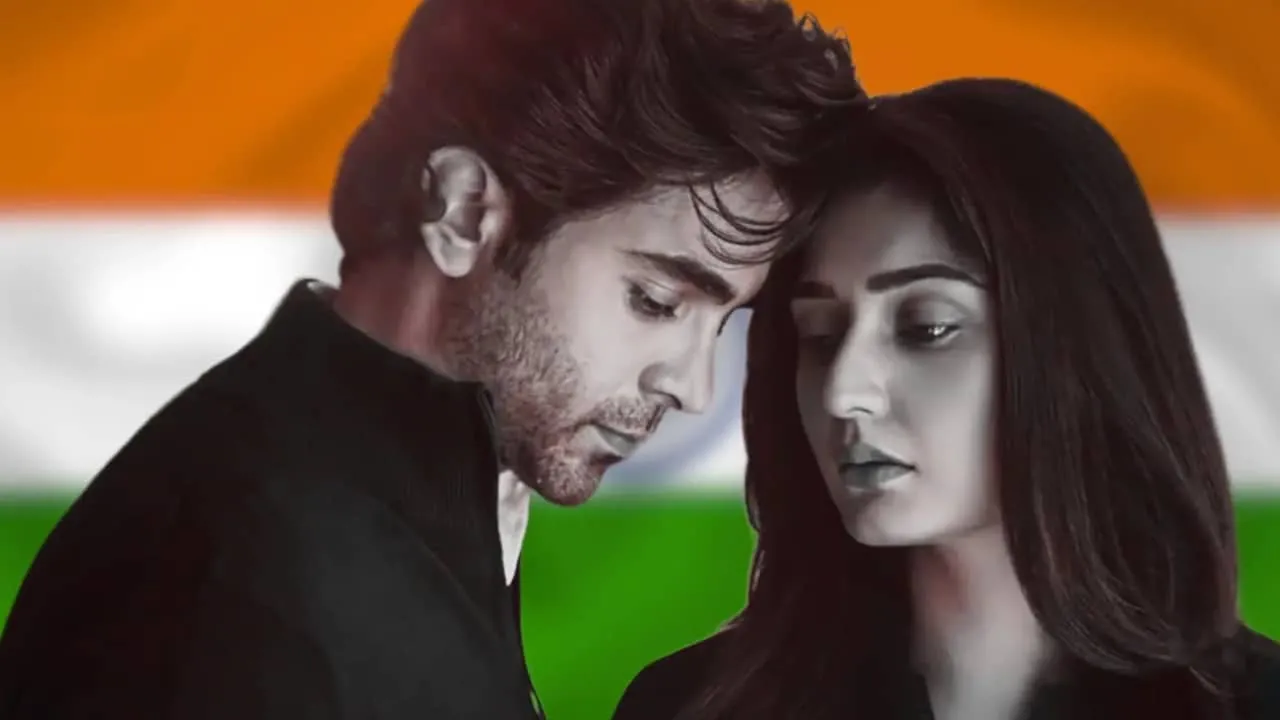
Dar-e-Nijaat stars Sheheryar Munawar and Durefishan Saleem, two of Pakistan's most recognized television actors. The drama blends romance, family intrigue and social commentary, themes that have resonated with audiences across South Asia and the diaspora.
The series has been praised for its high production values, strong performances and relatable storylines. Its digital footprint, over 1.7 billion views, illustrates the appetite for Pakistani narratives among Indian viewers, especially on platforms that are not subject to the same licensing rules as traditional broadcasters.
Impact on the Local Community and Businesses
The cancellation affected several stakeholders. Sheeshkebab, a popular eatery in Frazer Town, lost a potential boost in footfall and revenue from a dinner that was to feature Persian and Arabic cuisine. The Bloom Society Sisters Club, a community group that organizes cultural events, faced criticism for perceived insensitivity to local sentiment.
For the private theatre that was to host the December 5 screening, the loss of a booked slot meant a gap in its schedule and potential financial loss. On a broader scale, the episode highlights the challenges faced by Indian venues that wish to host cross-border cultural events without running afoul of licensing rules or public opinion.
What Are the Next Steps for Authorities and Organizers?
Police have indicated they will continue to monitor similar events for compliance with permit requirements. The Bengaluru police department has not announced any punitive action against the organizers, but the statement from Chief Commissioner Hitendra suggests that any future gatherings without proper clearance could be stopped.
Organizers of cultural events are now likely to seek explicit permission from local authorities before advertising or finalising programmes that involve foreign content, especially from Pakistan. Legal experts advise that any public showing of copyrighted material, even in a private setting, may require clearance from both the rights holder and the local municipal corporation.
Practical Takeaways for Readers
- If you plan to host a private screening of foreign content in India, obtain a permit from the local municipal authority well in advance.
- Be aware that invitations requesting specific cultural attire can attract public scrutiny, especially when the content originates from a politically sensitive neighbour.
- Venue owners should verify that their premises are approved for the type of event advertised to avoid sudden cancellations.
- Viewers who wish to watch Pakistani dramas can continue to do so on legal streaming platforms, but should stay informed about any regulatory changes that could affect availability.
Wider Implications for Indo-Pak Cultural Exchange
The Bengaluru incident adds to a series of recent disputes over Pakistani entertainment in India, including protests against concerts, film releases and television serials. While the ban on Pakistani artists remains in place for mainstream media, the digital age has created parallel channels that bypass traditional censorship.
Policy analysts suggest that the Indian government may consider tightening digital monitoring tools, but such moves could clash with free-speech concerns and the commercial interests of streaming platforms that profit from cross-border viewership.
For now, the cancellation of the two private screenings serves as a reminder that cultural exchange between India and Pakistan remains a contested space, shaped by legal frameworks, public sentiment and the ever-present geopolitical backdrop.