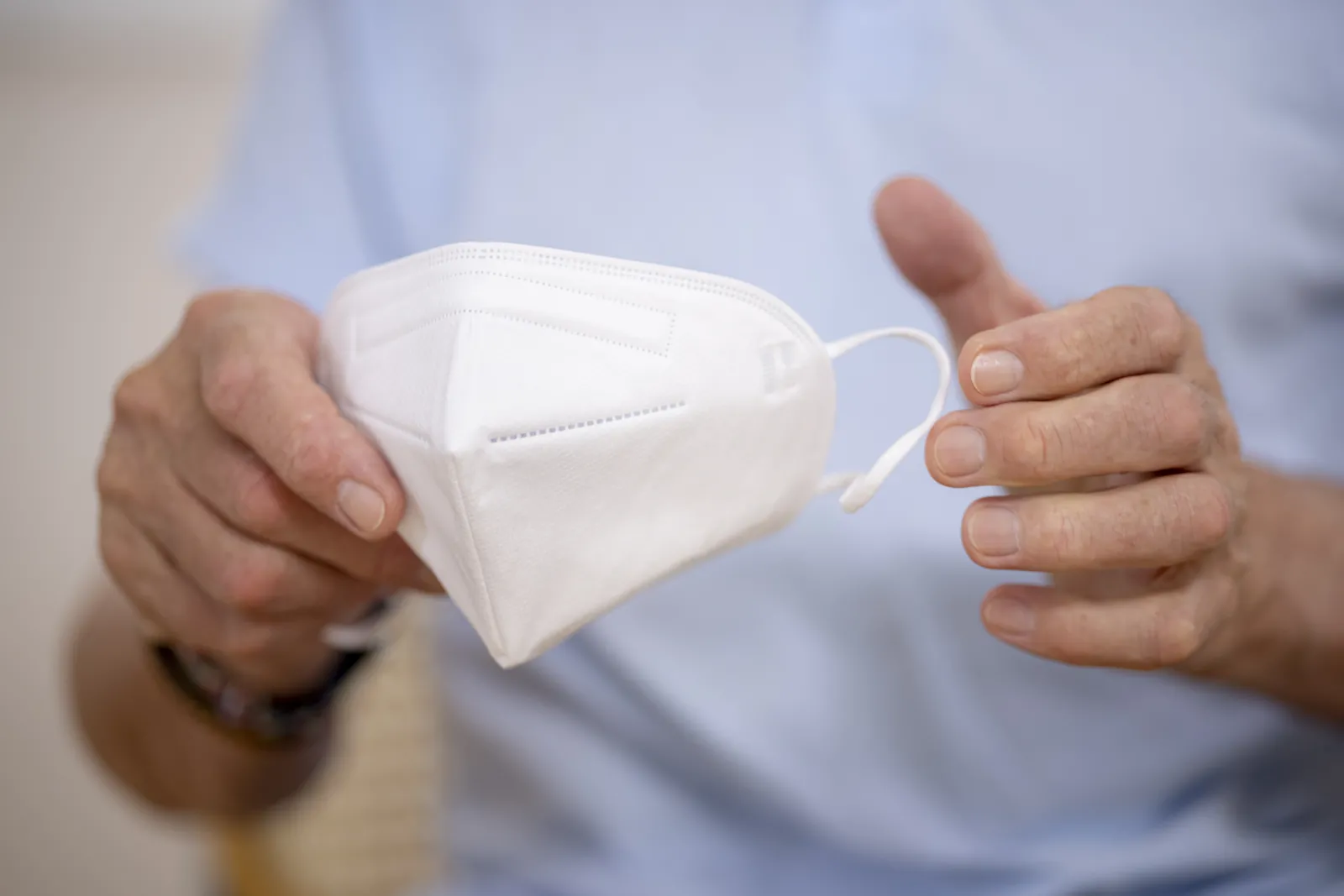
NHS chief executive Sir Jim Mackey said he wore a face mask "for the first time in years" this month as flu and Covid are rising at the fastest rate for a decade.
Why the surge matters now
The statement came at the NHS Alliance conference in London on Thursday, where Sir Jim warned that hospital beds are filling faster than at any comparable point since before the pandemic. Data from the UK Health Security Agency (UKHSA) show hospital flu patient numbers are higher now than in the same week of any year since before 2020.
Hospital bosses have already declared critical incidents in at least eight hospitals across Nottinghamshire, Northants and Derbyshire because A&E departments are overwhelmed. The surge is not limited to flu; Covid-19 and respiratory syncytial virus (RSV) are also climbing, creating a triple-threat winter for the NHS.
What the numbers reveal
UKHSA statistics released today show hospital admissions for flu are the highest for years and rising fast. The rate of new flu patients nearly doubled last week, moving from five per 100,000 population to nine per 100,000. That nine-per-100,000 figure exceeds the same week of November in any year of the past decade.
Sir Jim noted that there are now more patients in hospital beds with flu than this time last year, and he predicts the pressure will intensify over the next five to ten days. "My instinct is this will build over the next five to ten days and we'll feel like we're in proper winter in about ten to 14 days' time," he said.
Background: flu trends and NHS capacity
Flu activity in the UK typically peaks between December and February. In a normal season, the UKHSA records about 1-2 million flu-like illnesses, with roughly 15,000 to 20,000 hospital admissions. The 2019-20 winter was the busiest on record before the pandemic, prompting the NHS to activate surge protocols.
Since the COVID-19 pandemic began, routine flu surveillance was disrupted, and vaccination rates fell in some groups. The pandemic also left the NHS with reduced bed capacity because of ongoing Covid-related staffing shortages and the need to maintain infection-control zones.
Who is most at risk
UKHSA officials say a third of over-65s have not received a flu jab this season, and uptake is even lower among clinically vulnerable groups. Dr Suzanna McDonald, a senior epidemiologist at the agency, warned, "Flu levels are increasing sharply with more people being admitted and in intensive care. I can't stress enough how important it is for all those eligible, including older adults, pregnant women and young children, to get protected as soon as possible."
She added that 9.5 million people under the age of 65 are in high-risk groups and eligible for vaccination, but only about a third have received a dose.
What the NHS is doing
Hospital trusts in the affected regions have triggered critical incident plans, which allow for the rapid redeployment of staff, the opening of surge wards, and the prioritisation of urgent care. The NHS England winter preparedness plan includes measures such as extending opening hours for flu vaccination clinics, increasing the stock of antiviral medication, and issuing guidance for primary-care physicians on early treatment pathways.
Sir Jim's public masking was intended as a signal to staff and the public that the situation is serious enough to merit heightened precautions. "It was a bit of a shock," he said, recalling his recent visit to a hospital where local clinical teams had already begun masking due to rising Covid, flu and RSV cases.
Vaccination drive and public health advice
The UKHSA is urging anyone eligible to get vaccinated immediately. The agency recommends the quadrivalent flu vaccine for adults and the paediatric formulation for children, alongside the seasonal Covid booster for those who qualify.
Practical steps for the public include:
- Booking a flu jab at a local pharmacy, GP surgery or community clinic.
- Wearing a mask in crowded indoor settings, especially in hospitals and public transport.
- Practising good respiratory hygiene - covering coughs, frequent hand washing, and staying home when ill.
What to watch for in the coming weeks
Health officials will monitor weekly UKHSA dashboards for changes in flu admission rates, ICU occupancy, and vaccine uptake. The next set of data, expected on Friday, will indicate whether the surge is stabilising or continuing to climb.
Hospitals have indicated that if admissions rise beyond the current 80 % increase, they may need to activate regional escalation protocols, which could involve transferring patients to less-busy trusts or temporarily expanding capacity with field hospitals.
For now, the message from NHS leadership and public-health experts is clear: vaccination, early treatment, and personal protective measures remain the most effective tools to blunt the impact of this unprecedented winter health challenge.