Iran Activates Nuclear Emergency Plan in Bushehr
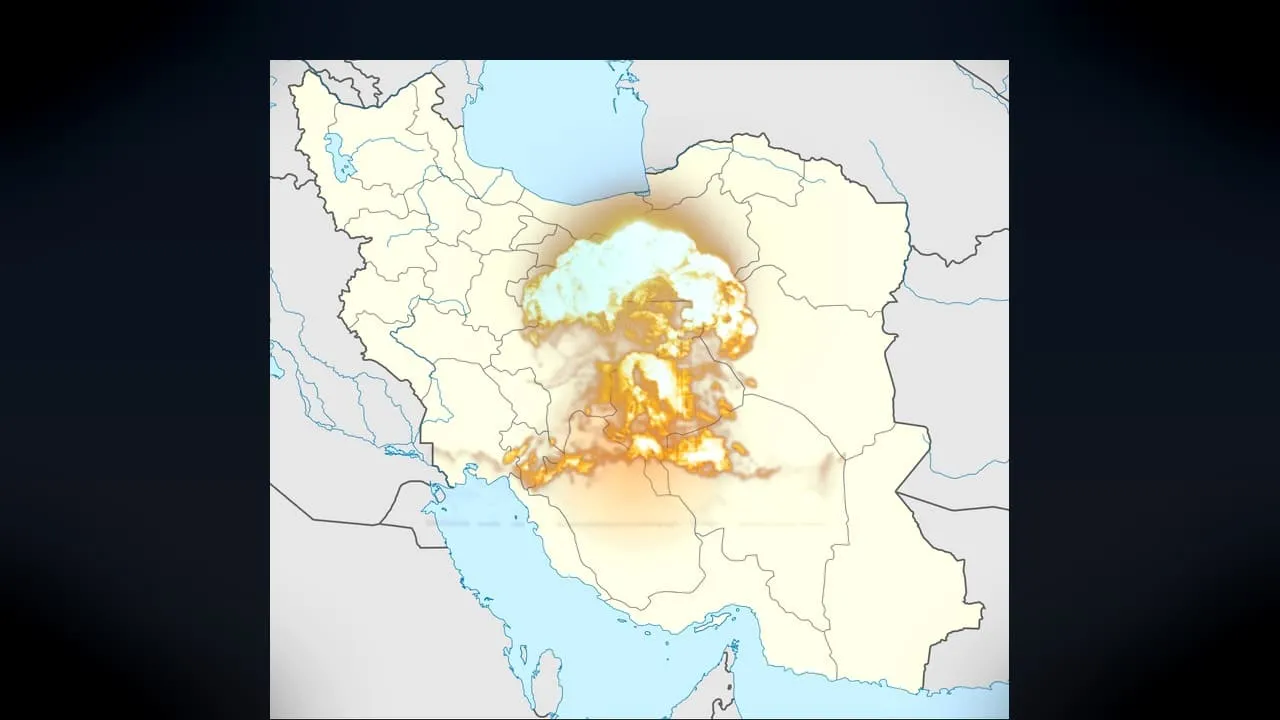
Iranian health authorities have started handing out iodine tablets in Bushehr, home to the country's only operational nuclear power plant, as part of an emergency preparedness plan launched before the June 2025 war, international media reported a short while ago.
ProPakistani checked that these reports are mostly being pushed by Israel-backed and propaganda-centered outlets. Verified sources have yet to confirm or report such an event.
Young Journalists Club (YJC) said Friday that distribution began near the plant and later expanded across the city. Crisis management authorities ordered the release of 180,000 tablets, now available to Bushehr residents only at comprehensive health centers.
Understanding Iodine Distribution and Radiation Safety
The tablets are meant to protect the thyroid from radioactive iodine in a nuclear or radiological incident. Officials said they should be taken from 24 hours before possible exposure to four hours after.
Doses vary by age: infants under one month get one-eighth of a tablet; children aged one month to three years get one-quarter; those aged three to 12 get half; and people over 12 take a full tablet. Stable iodine saturates the thyroid so it absorbs less radioactive iodine.
The tablets do not protect against other radioactive substances or external radiation. This medical intervention is a standard civil defense measure used in proximity to atomic energy facilities worldwide during heightened security concerns or potential operational anomalies.
Potassium iodide works by flooding the thyroid gland with stable iodine, effectively filling its capacity so that radioactive isotopes released during a fission event cannot be absorbed by the body. Medical professionals stress that these pills are purely prophylactic and hold no therapeutic value against general radiation sickness or other toxic elements associated with nuclear fallout.
Background on the Bushehr Nuclear Power Plant
The Bushehr Nuclear Power Plant stands as the flagship atomic energy facility in Iran, situated along the Persian Gulf coast. Construction on the site faced decades of delays, international geopolitical friction, and engineering hurdles before finally achieving operational status with foreign assistance.
As the sole functioning nuclear energy generator in the country, the facility serves as a vital component of national power infrastructure while remaining a focal point of intense regional and international scrutiny. Surrounding communities like Bushehr city live in close proximity to the reactor, making local emergency protocols a subject of constant monitoring by regional analysts and civil defense planners.
Emergency preparedness plans around the facility include evacuation routes, shelter guidelines, and the stockpiling of pharmaceutical supplies such as potassium iodide. Crisis management authorities maintain distribution frameworks to ensure that local populations can access protective measures swiftly if containment protocols are ever tested.
Regional Tensions and Recent Statements from Washington
On November 1, US President Donald Trump warned Washington could strike remaining suspected nuclear facilities within 10 minutes, citing Pickaxe Mountain. This statement added to a series of high-stakes warnings exchanged between international actors regarding atomic infrastructure in the region.
On October 16, he ruled out nuclear weapons but left the door open to further conventional strikes. These pronouncements reflect the volatile diplomatic and security environment surrounding atomic sites in the Middle East.
Military analysts note that facilities associated with atomic research or power generation often become central talking points during periods of heightened geopolitical friction. The combination of military threats and civil defense actions in Bushehr highlights the delicate security balance in the area.
Verification Challenges and Media Reporting
Information regarding emergency measures inside Iran often travels through a complex web of state media, local journalism, and foreign intelligence assessments. Independent verification remains difficult due to restrictions on international press access and official information controls within the country.
ProPakistani checked that these reports are mostly being pushed by Israel-backed and propaganda-centered outlets, while verified sources have yet to confirm or report such an event independently. Observers must weigh conflicting narratives from state-affiliated agencies against external intelligence reports when assessing the true operational status of civil defense measures on the ground.
The reliance on local outlets like the Young Journalists Club for initial details demonstrates the challenges of gathering on-the-ground facts during periods of heightened international tension. Analysts continue to monitor official announcements from Tehran alongside independent satellite imagery and diplomatic channels for any signs of actual escalation or policy shifts.
Public Health Impact on Local Residents
For the residents of Bushehr, the rollout of 180,000 tablets through comprehensive health centers represents a tangible encounter with regional security risks. Families must navigate specific dosing guidelines that account for age variations, ranging from infants to adults.
Public health messaging must communicate these instructions clearly to prevent misuse or panic among the civilian population. Local health authorities shoulder the responsibility of managing distribution logistics while maintaining calm in a city that hosts critical national infrastructure.
The strict protocol requiring residents to visit designated health centers ensures that medical professionals can oversee the distribution process and provide accurate counseling on when and how to ingest the prophylactic tablets. As the situation develops, public awareness and adherence to official safety directives remain the primary focus for local emergency management teams operating in the shadow of the regional atomic installations.