Petrol Price in Pakistan Today 07 November 2026 Drops by Rs 6.59
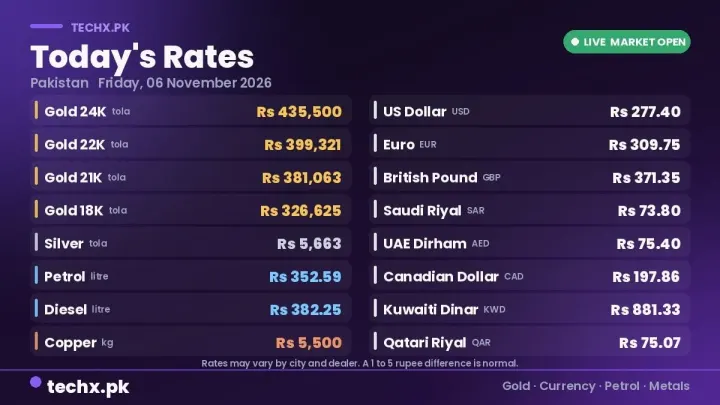
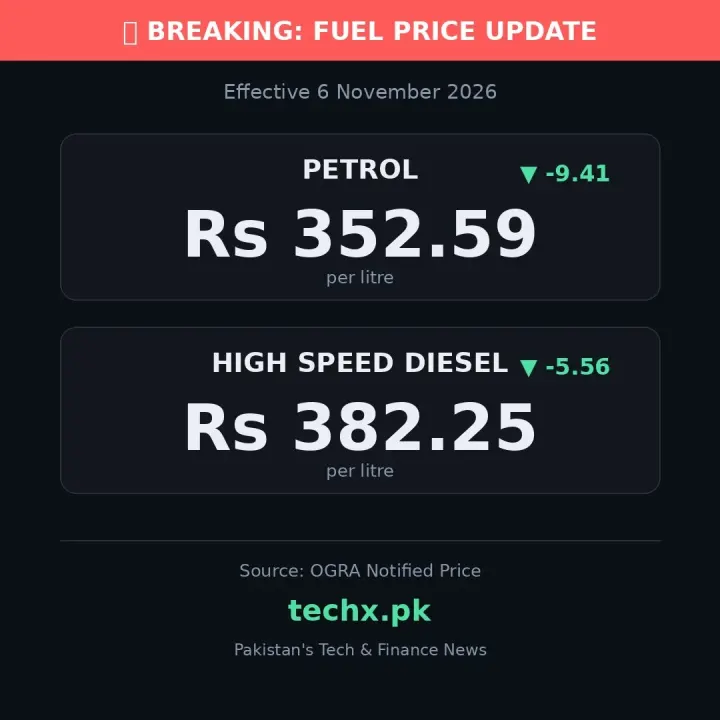
Petrol price in Pakistan today has dropped by Rs 6.59 per litre, bringing some relief to consumers across the country. OGRA fuel prices for the new fortnightly period effective 07 November 2026 also show a cut in diesel, down by Rs 4.25 per litre.
This latest adjustment marks a significant moment for the domestic energy market, arriving at a time when household budgets and industrial expenses face continuous scrutiny. The revision directly affects millions of daily commuters, public transport operators, freight companies, and agricultural producers who depend on petroleum products to sustain their daily operations. Energy pricing mechanisms in the country remain a central focus for policymakers and citizens alike, as even minor adjustments in fuel tariffs can trigger a ripple effect across the broader economy.
New Petrol and Diesel Prices in Pakistan
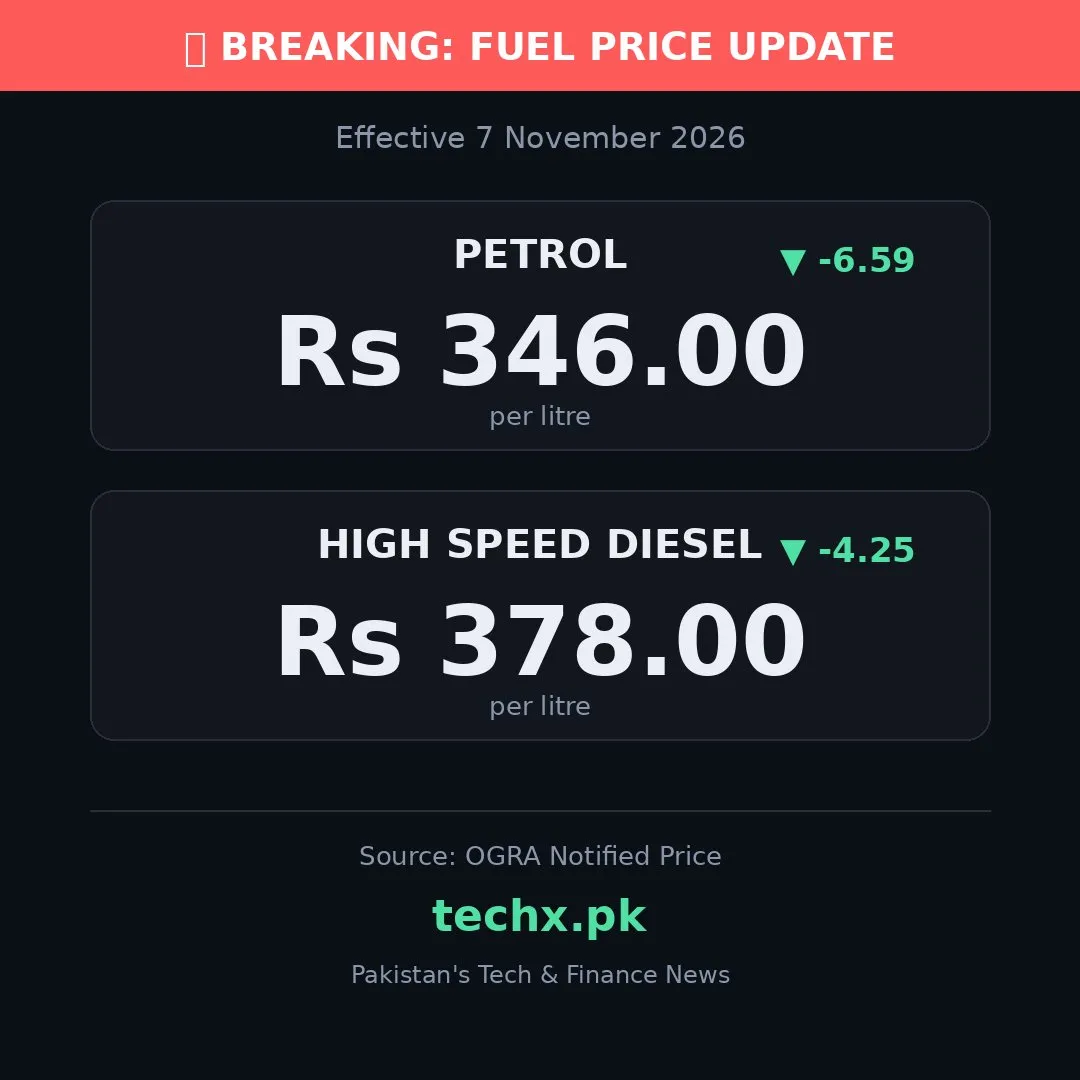
Here is a full breakdown of the new petrol price and diesel price in Pakistan announced by OGRA for 07 November 2026:
- Petrol (Super): Rs 346.00 per litre, down by Rs 6.59.
- High Speed Diesel: Rs 378.00 per litre, down by Rs 4.25.
The revised tariffs take effect immediately at fuel stations across the nation, replacing the rates set during the previous fortnightly cycle. Consumers visiting petrol pumps will notice the updated figures reflected on dispensing units as soon as the new billing period begins. Authorities monitor compliance closely to ensure that fuel marketing companies and pump owners apply the announced reductions accurately without unnecessary delays.
Why Did Fuel Prices Change?
OGRA fuel prices are revised on a fortnightly basis and are driven mainly by movements in global crude oil prices and shifts in the Pakistani rupee exchange rate. When international oil prices soften or the rupee holds steady, OGRA passes on the benefit to consumers through a price reduction. The latest OGRA review for 07 November 2026 reflected exactly these conditions, allowing the government to lower both the new petrol price and the diesel price in Pakistan for this period.
Global crude oil markets experience frequent fluctuations driven by geopolitical developments, supply chain adjustments, and changing demand patterns from major industrial economies. At the same time, the valuation of the domestic currency against the United States dollar dictates the final import cost of refined petroleum products purchased from international suppliers. When these two variables align favourably, regulatory authorities possess the fiscal space to announce downward revisions, passing cost savings down to the end consumer.
What It Means for You
For everyday commuters, motorcycle riders, and car owners, a Rs 6.59 cut in petrol means a noticeable saving at the pump, especially for those filling up full tanks regularly. The drop in diesel price in Pakistan is equally important for transporters, truck owners, and farmers who rely on diesel-powered machinery. Lower fuel costs tend to ease pressure on transport fares and the prices of goods moved across the country, giving household budgets at least a small but welcome break.
Transportation constitutes a major expense for urban workers who travel long distances daily to reach their workplaces. Motorcyclists, who form the backbone of personal mobility for lower and middle-income families, will experience an immediate reduction in their weekly fuel expenditures. Similarly, private car owners who manage tight household finances will find that filling their fuel tanks requires slightly less capital than it did during the preceding fortnight.
The Role of OGRA in Fuel Price Adjustments
The Oil and Gas Regulatory Authority operates as the primary government body responsible for overseeing the petroleum sector, including the pricing and distribution of fuel products. Established under dedicated legislation to regulate the midstream and downstream oil and gas industry, OGRA calculates consumer tariffs based on a formula that accounts for landed costs, petroleum levies, distribution margins, and dealer commissions.
Every fortnight, technical teams evaluate the average quotations of petroleum products on international benchmarks, alongside exchange rate data supplied by the central bank. Once the calculations are finalised, summaries are forwarded to the federal government for formal approval before public notification. This transparent yet complex procedure ensures that domestic prices remain aligned with international realities while maintaining necessary tax collections for state revenues.
Impact on Agriculture and Logistics Sectors
High Speed Diesel serves as the primary energy source for heavy transport vehicles, cargo trucks, railway locomotives, and agricultural machinery such as tractors, tube wells, and harvesters. The Rs 4.25 reduction in diesel prices translates into lower operational expenditures for farmers who irrigate their lands and harvest seasonal crops using diesel engines.
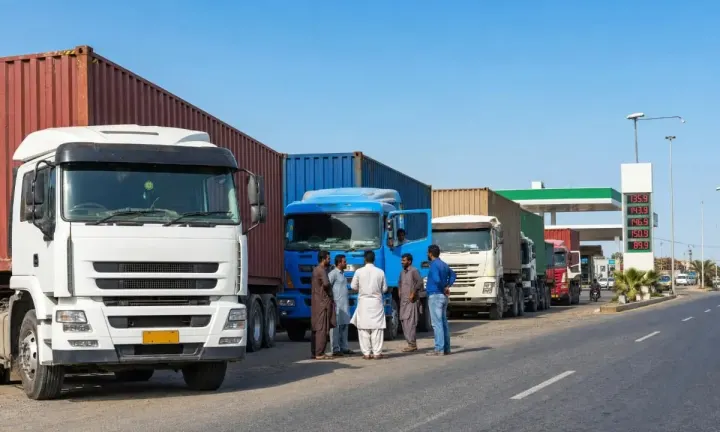
Logistics companies operating fleets of freight trucks across national highways also experience reduced overhead costs. Since the movement of consumer goods, raw materials, and agricultural produce relies entirely on diesel-powered trucks, reduced transport costs help mitigate inflationary pressures on essential food items and manufactured commodities. When freight operators pay less for fuel, the cost of delivering goods to retail markets stabilizes, protecting consumers from excessive price spikes.
Understanding the Fortnightly Pricing Cycle
The system of fortnightly price reviews was adopted to make domestic fuel tariffs more responsive to fast-moving international energy markets. In earlier years, revisions occurred on a monthly basis, which sometimes left local consumers exposed to prolonged high prices when global rates dropped suddenly, or conversely, delayed necessary adjustments for the state exchequer.
By shifting to a two-week cycle, pricing authorities can transmit international relief or absorb global shocks in smaller, more manageable increments. This frequency prevents massive, disruptive price swings at fuel stations and allows businesses and households to plan their monthly fuel expenditures with greater predictability.
What to Expect in Future Fuel Reviews
Looking ahead, future fuel price determinations will depend entirely on how international crude benchmarks behave and whether the national currency maintains its stability against foreign currencies. Market analysts monitor supply meetings held by major oil-producing nations, inventory levels in key consumer economies, and macroeconomic indicators to anticipate upcoming pricing trends.
Consumers are advised to keep track of official announcements released by regulatory bodies at the conclusion of each fortnightly cycle. Because energy markets remain volatile, subsequent reviews may bring either further relief or upward adjustments depending on global supply and demand dynamics.