Karachi Building Collapse Survivor Shares Ordeal Under Rubble
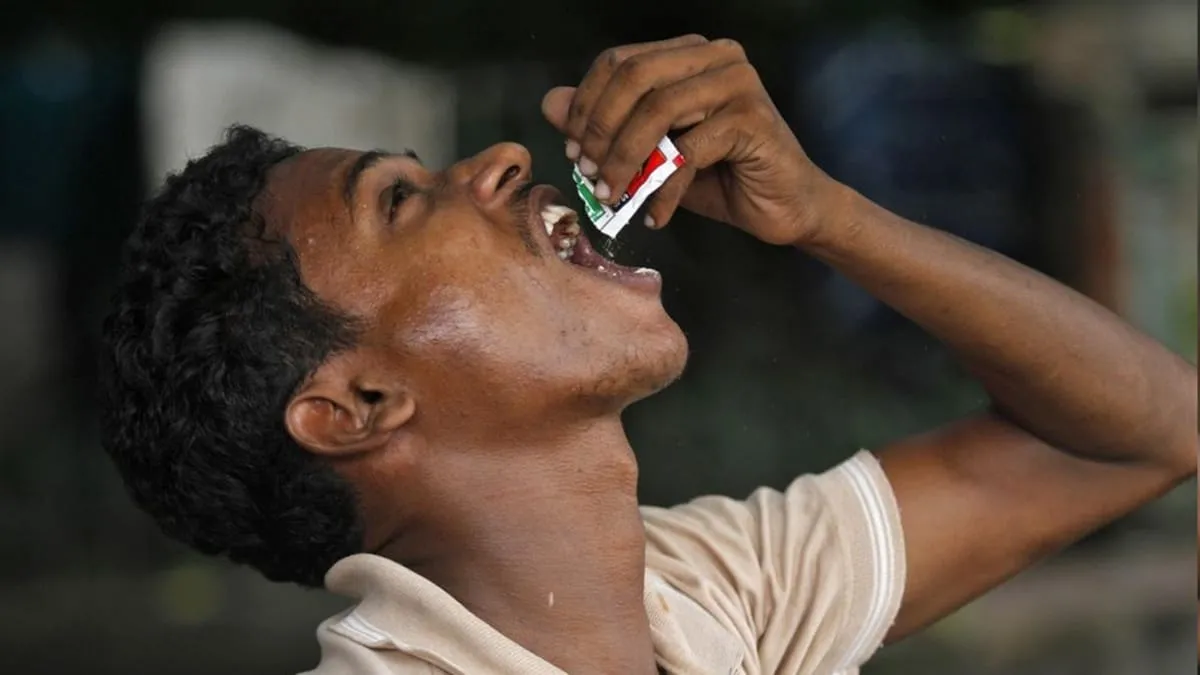
A man rescued after spending more than two days under the rubble of a collapsed building in Karachi's Administration Employees Cooperative Housing Society (KAECHS) has revealed that he consumed gutka while trapped without food or water.
The survivor, identified as 28-year-old Adil, a resident of Karachi's Golimar area, was pulled from the debris by Rescue 1122 and shifted to Jinnah Postgraduate Medical Center (JPMC) for treatment.
This miraculous rescue highlights the intense challenges faced by emergency responders during structural failures in densely populated urban centers. Building collapses often trigger massive multi-agency rescue operations requiring heavy machinery, canine squads, and manual excavation to locate survivors trapped in pockets of air beneath tonnes of concrete and twisted steel.
Medical Examination and Treatment at Jinnah Postgraduate Medical Center
During his medical examination, Adil reportedly told doctors that he had consumed the gutka, locally known as mawa, that he had been carrying when the building collapsed.
Medical professionals at Jinnah Postgraduate Medical Center evaluated his physical condition following his extraction from the disaster site. Prolonged confinement without clean drinking water typically leads to severe dehydration, acute kidney injury, and electrolyte imbalances, requiring immediate intravenous fluid administration and continuous monitoring.
Inhalation of concrete dust and particulate matter also poses immediate respiratory threats to trapped individuals. Doctors at major public hospitals in Karachi routinely screen disaster survivors for crush syndrome, internal trauma, and psychological shock following such catastrophic events.
How the Collapse Happened in KAECHS
Recounting his ordeal, Adil said he had arrived at the building at 1 p.m. and was busy working when the structure gave way. He immediately crawled beneath a pillar, while two of his friends were trapped nearby.
He recalled talking to one of his friends, who was just 10 feet away, when the building collapsed. Other trapped workers were screaming in pain and repeatedly crying for help, with several complaining of head and hand injuries.
The sudden structural failure of residential and commercial properties in urban areas often points toward systemic issues regarding construction standards, unauthorized modifications, and aging infrastructure. Municipal authorities frequently face scrutiny over building inspections and the enforcement of safety codes in rapidly growing metropolitan regions.
Rescue Operations and Accountability in Karachi
Adil estimated that as many as 300 people could still be trapped beneath the rubble. However, the figure has not been confirmed by rescue authorities.
He thanked Allah for saving his life and credited the prayers of his mother and sisters for his survival.
Emergency response teams continue to comb through the wreckage to clear debris and account for missing individuals. Official casualty figures and missing person reports rely on verified data compiled by police departments, district administrations, and hospital emergency wards coordinating at the disaster zone.
Understanding Urban Building Failures and Emergency Response
Urban centers like Karachi experience rapid commercial and residential expansion, which occasionally outpaces regulatory oversight. When structures fail, specialized units such as Rescue 1122 deploy advanced life-location technology, acoustic sensors, and thermal imaging cameras to detect signs of life beneath the debris.
The physical environment inside a collapsed building presents extreme hazards, including secondary collapses, gas leaks, and electrical fires. Rescue workers must balance speed with caution to avoid triggering further shifts in the unstable rubble heap while trying to reach trapped victims.
What Comes Next for Disaster Management in Karachi
Following the conclusion of active search and recovery operations, government inquiries are typically launched to determine the precise root causes of the structural collapse. Engineering experts analyze building materials, architectural blueprints, and soil composition to establish liability.
Families of affected workers and residents look to local government bodies for compensation, accountability, and stricter enforcement of building bylaws. Public safety advocates continuously push for mandatory structural audits of aging buildings to prevent similar tragedies across the city.