Manchester United Stadium Plans and Fan Backlash
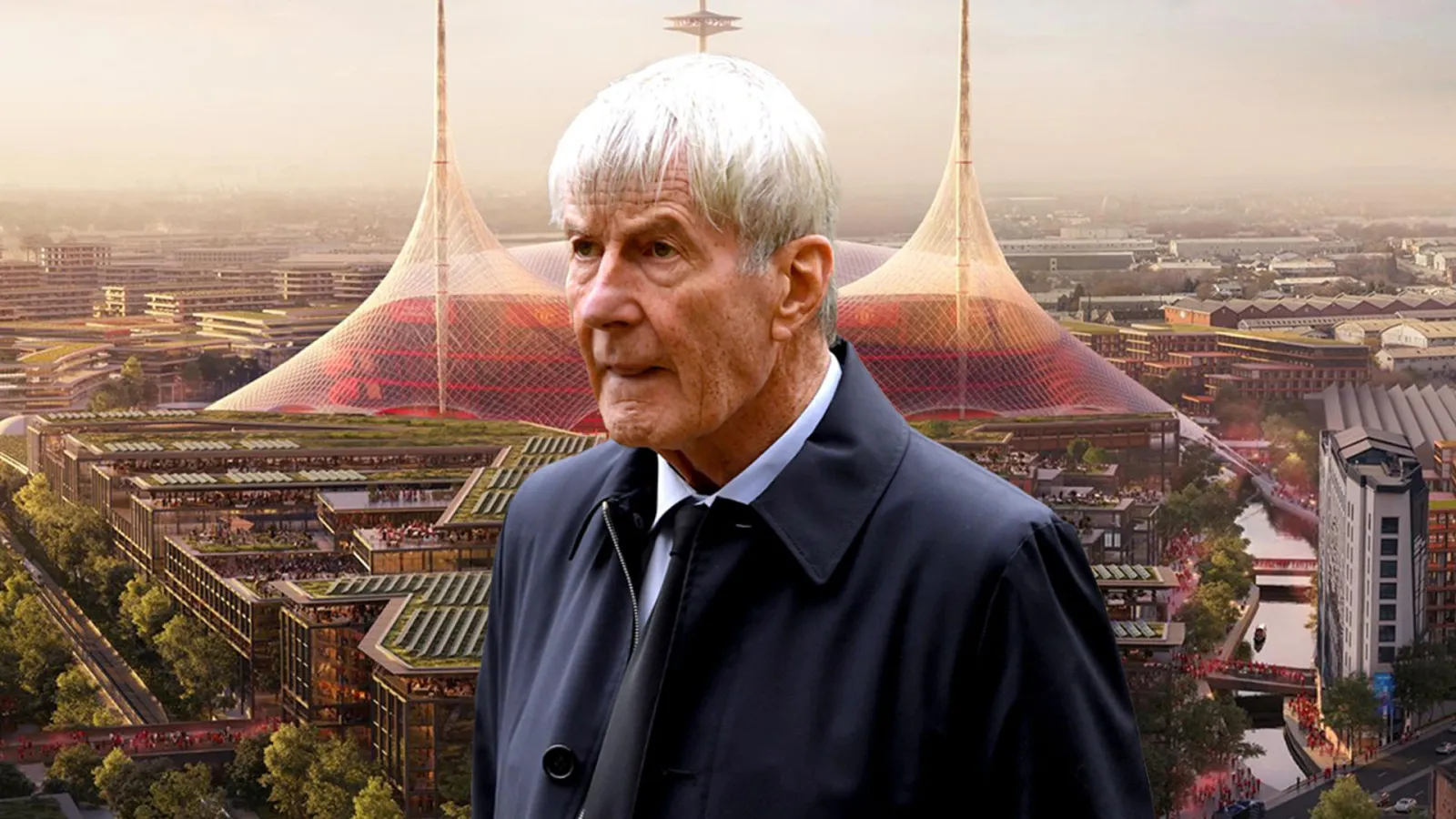
Former Manchester United chairman Martin Edwards has stated that supporters are entirely justified in telling club leadership where to put their new stadium plans while the team struggles on the pitch. The former club chief warned that the primary focus must be on strengthening the playing squad rather than pouring money into a proposed £2 billion venue.
Club officials and co-owners Sir Jim Ratcliffe and the Glazer family have pursued a vision to construct a 100,000-seater stadium next to Old Trafford within the next decade. However, this infrastructure ambition has triggered a sharp backlash from supporters who feel neglected while performances decline. Matchgoers have voiced their anger through chants of "You can stick your new stadium up your a--e" during recent fixtures.
Edwards, who served as chairman from 1980 to 2002 and oversaw the appointment of Sir Alex Ferguson, expressed sympathy for the protests. Speaking on the Keys and Gray Unleashed podcast, the 81-year-old argued that magnificent facilities mean nothing if the team cannot perform at a high level.
Why the Priority Must Be the Playing Squad
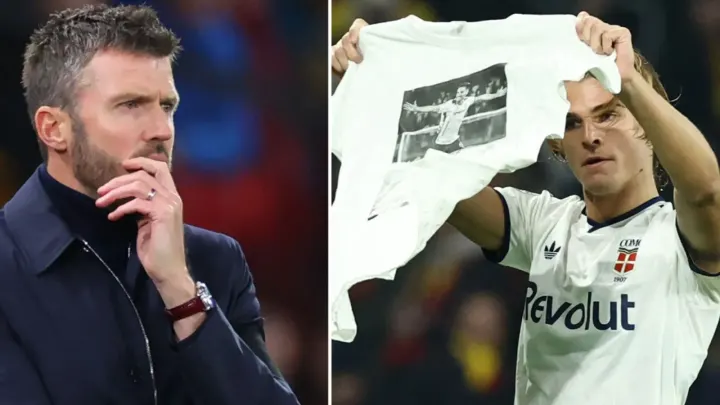
Manchester United currently sits fourth from bottom of the Premier League, occupying 17th position in the table below Coventry in the eyes of frustrated observers. Michael Carrick took charge of the team as they recently ended a nine-game winless run with a 3-2 Champions League comeback victory over Roma on Tuesday. Despite this European respite, domestic difficulties dominate the mood around the club.
Edwards emphasized that fans want to see success on the turf before hearing about grand architectural designs. He noted that the last thing supporters want to hear about is a multi-billion-pound construction project when the squad is fighting relegation battles. According to the former chairman, the most important ingredient in football is always the players and what happens during the ninety minutes.
The debate highlights a deep tension in modern football management between commercial expansion and sporting necessities. Mega-stadium projects promise increased matchday revenue, corporate hospitality opportunities, and long-term financial growth. Yet, supporters argue that stadiums do not win matches, and funds should instead flow directly into the transfer market.
Financial Realities and Squad Investment Needs
Manchester United requires substantial financial backing to address multiple areas of concern. Edwards pointed out that while the historic Old Trafford venue likely requires modernization and investment, the squad itself desperately needs new personnel. Team sheets reveal talented individuals, yet the collective unit fails to deliver consistent results week after week.
Questions surround the current tactical choices and recruitment strategy at Old Trafford. Pointers raised by observers include whether the club requires reinforcements in central midfield, the left-back position, or a proven centre-forward. Without fixing these fundamental squad deficiencies, stadium revenue potential remains secondary to avoiding sporting disaster.
Football economics dictate that Champions League qualification generates vital income required to comply with financial regulations. Lacking regular entry into elite European competitions, funding both a £2 billion stadium and a top-tier squad presents an enormous challenge for co-owners. Sir Jim Ratcliffe and INEOS took control of football operations with promises of restoring former glories, making the current friction over priorities a critical test of leadership.
Historical Context of Leadership at Old Trafford
During his tenure spanning more than two decades, Martin Edwards experienced the highs and lows of football administration. His most significant decision occurred in November 1986 when he appointed Sir Alex Ferguson as manager, eventually building an era of unprecedented domestic and international dominance. Edwards frequently leaned on internal knowledge that ordinary supporters did not possess to guide the institution through turbulent periods.
Reflecting on the current leadership dilemma involving Sir Jim Ratcliffe and the Glazers, Edwards remained cautious about managerial stability. Speaking on the latest episode of Keys and Gray Unleashed, he admitted he could not judge whether Michael Carrick should keep the job permanently. True evaluation, Edwards suggested, requires an insider perspective that external commentators and fans simply do not have access to.
Even after stepping down from his formal executive role, Edwards continues attending matches regularly, maintaining a lifelong connection to the institution. His perspective bridges an era of traditional club ownership and the modern corporate landscape governed by billionaire investors and global commercial strategies.
What Lies Ahead for the Red Devils
The immediate future for Manchester United rests on stabilizing their domestic league form under Michael Carrick. Escaping the relegation scrap remains the absolute priority for the coaching staff and the players on the pitch. Every upcoming Premier League fixture carries immense pressure as the club fights to climb away from the bottom of the table.
Meanwhile, the long-term infrastructure project involving the proposed £2 billion stadium development sits against a backdrop of fan distrust. Club executives must navigate the delicate balance between upgrading facilities and appeasing a fanbase demanding immediate on-field success. How Ratcliffe and his team manage this financial and emotional tightrope will define the next era of Manchester United history.